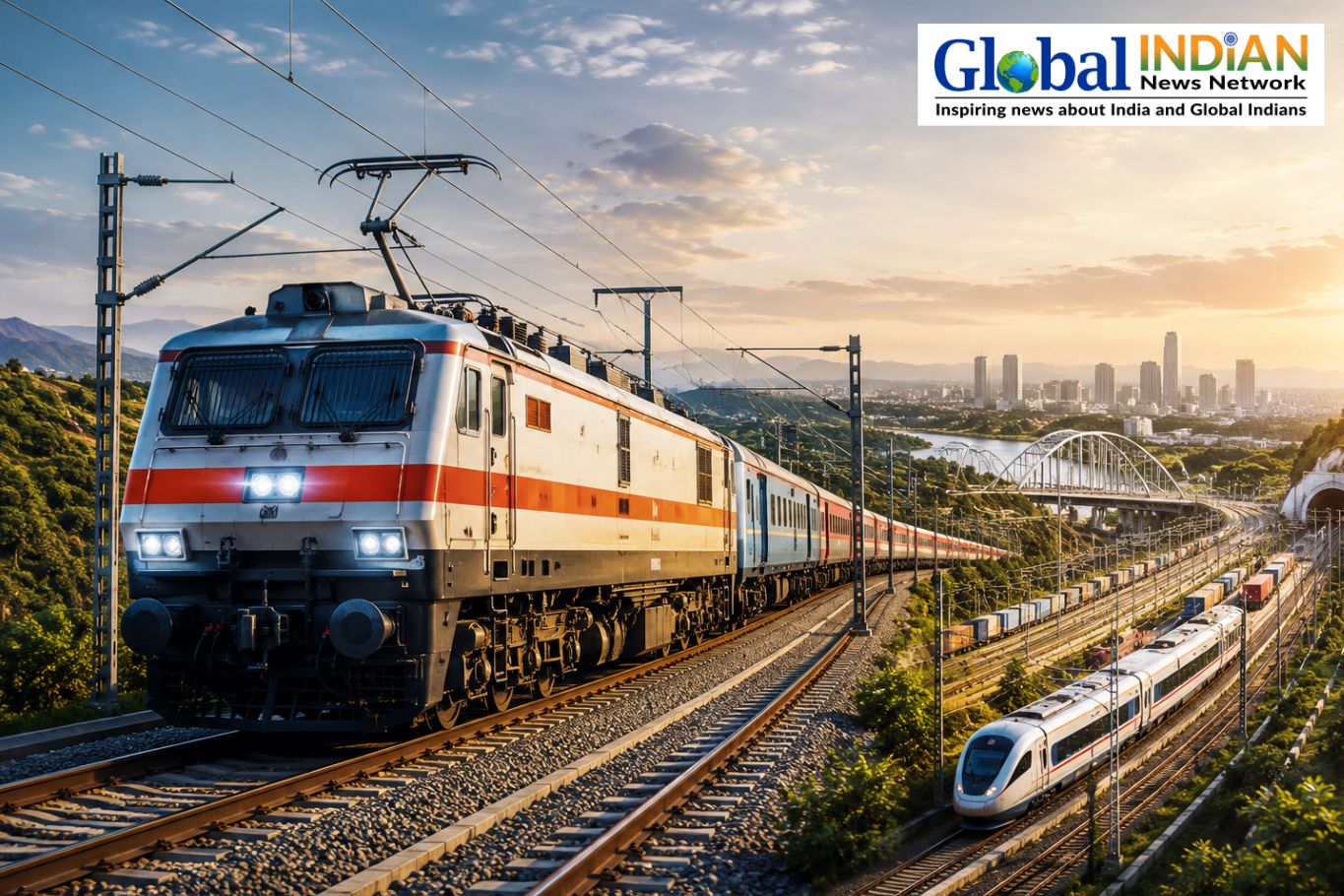
Indian Railways has reached a major milestone in its modernization journey, with 99.6% of its broad gauge network now electrified. The achievement places India among the world’s leading countries in railway electrification, with its rail system becoming the second-most electrified major railway network globally after Switzerland.
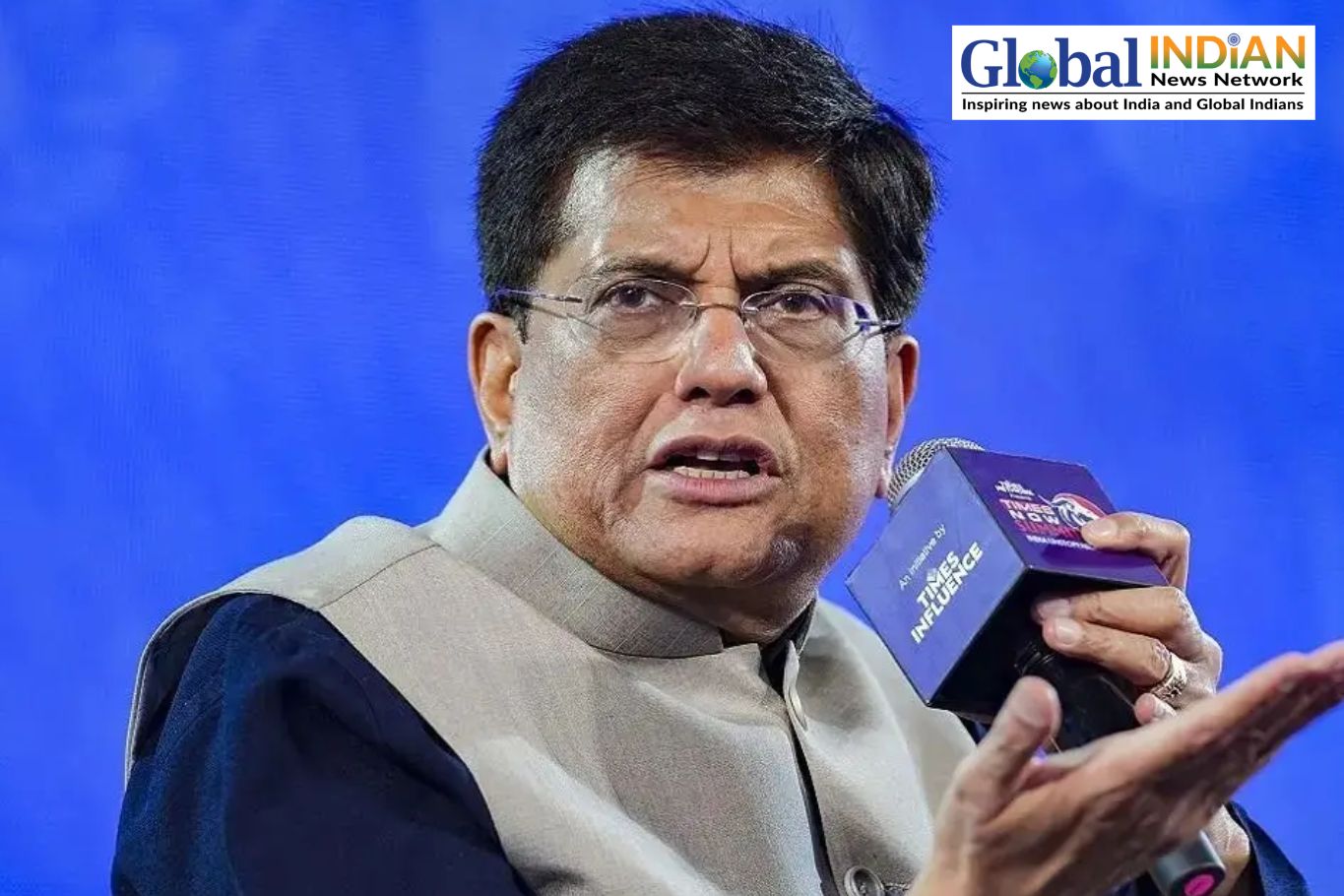
In a written response presented in the Lok Sabha, Union Railway Minister Ashwini Vaishnaw highlighted the rapid progress made under India’s railway electrification programme. Since 2014, Indian Railways has electrified 48,072 route kilometres, surpassing the 21,801 route kilometres completed during the previous six decades. Electrification has also been incorporated into new railway line developments and multi-tracking projects to ensure future expansion remains aligned with clean energy objectives.
India’s progress in railway electrification has positioned it ahead of several major economies. The country’s electrification rate has exceeded that of nations such as China, where around 82% of rail networks are electrified, Spain at 67%, Japan at 64%, France at 60%, and the United Kingdom at 39%. This rapid transformation highlights India’s growing focus on efficient and environmentally sustainable transportation systems.
The shift toward electric traction has delivered significant operational and environmental benefits. Rail transportation produces considerably lower carbon emissions compared with road-based movement. According to NITI Aayog, railways generate approximately 11.5 grams of carbon dioxide per tonne-kilometre, making emissions nearly 89% lower than road transport.
Electrification has also helped Indian Railways reduce its reliance on diesel fuel. Diesel consumption for train operations declined from 293 crore litres in fiscal year 2016 to 108 crore litres in fiscal year 2025. The reduction represents savings of nearly 185 crore litres of fuel, helping decrease fossil fuel dependency and improving energy efficiency across the railway network.
To further support its clean energy transition, Indian Railways has expanded its renewable power capacity. By June 2026, the railway system had commissioned more than 1,260 MW of renewable energy capacity, including approximately 1,161 MW of solar power and 103 MW of wind energy.
Several railway zones, including Konkan Railway and Kolkata Metro, have already achieved complete electrification. With all 15 railway zones reaching full electrification, continued investments in green energy, technology, and infrastructure are expected to strengthen India’s energy security while reducing carbon emissions.
The electrification milestone reflects India’s broader commitment to sustainable mobility and demonstrates the country’s ambition to build a modern, efficient, and environmentally responsible railway network.