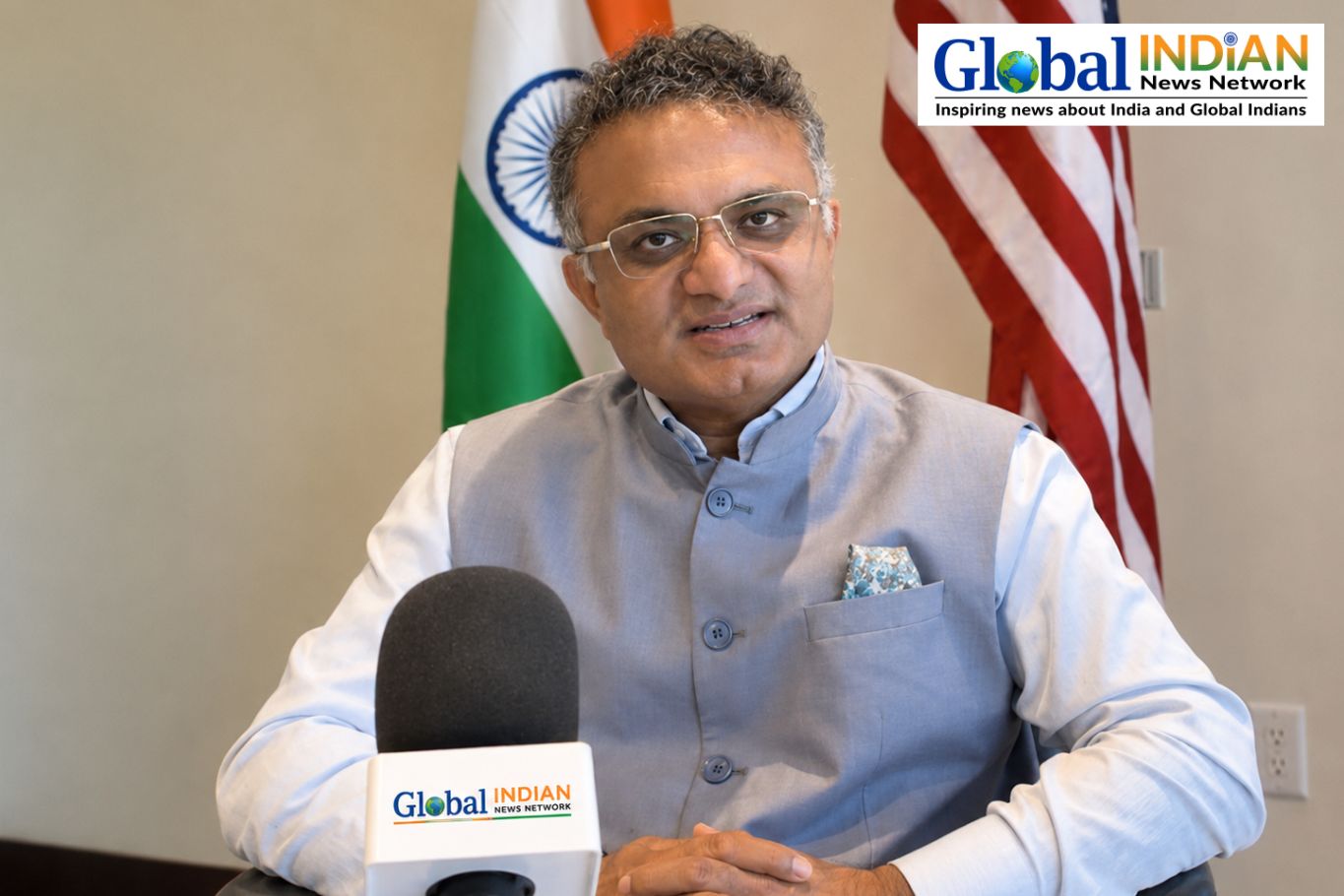
India’s newest diplomatic mission in the United States, the Consulate General of India in Los Angeles, is taking shape as a major center for strengthening economic, technological, and cultural cooperation between the two countries. Indian Consul General in Los Angeles Dr. K.J. Srinivasa said the Pacific Southwest region presents significant opportunities to further advance the India-US partnership across multiple sectors.
Opened less than a year ago, the Los Angeles consulate has expanded beyond its traditional role of providing citizen services and is now working to connect one of America’s most influential economic regions with India’s growing ambitions in advanced industries. The mission is focusing on areas such as artificial intelligence, semiconductor development, biotechnology, defense, education, innovation, and advanced manufacturing.
Dr. Srinivasa said the establishment of the consulate followed Prime Minister Narendra Modi’s announcement to open new diplomatic missions in Boston and Los Angeles. The decision was driven by requests from the Indian community as well as the vast economic potential of the American Pacific Southwest.
The consulate currently serves Southern California, Arizona, Nevada, and New Mexico, making California the only US state with two Indian consulates. The region is home to an estimated 550,000 to 600,000 people of Indian origin, including Indian citizens and American citizens with Indian heritage. These communities contribute significantly to sectors such as information technology, aerospace, healthcare, entertainment, logistics, biotechnology, and manufacturing.
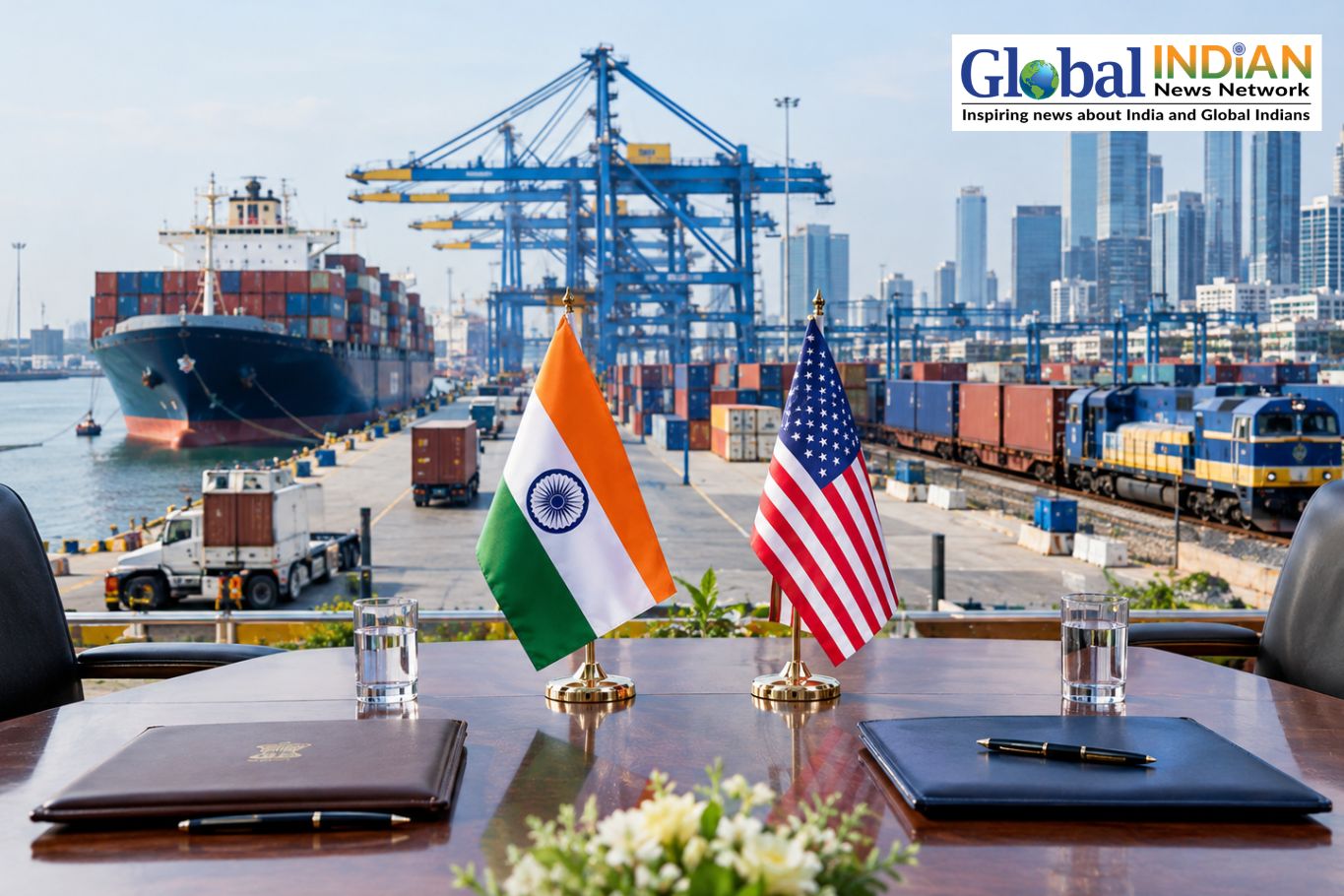
One of the mission’s priorities is reviving the sister-city relationship between Mumbai and Los Angeles, originally established in 1972. Dr. Srinivasa said both cities share strong economic connections, particularly through areas such as ports, finance, trade, and investment. He highlighted the importance of collaboration between Mumbai’s commercial ecosystem and major West Coast ports, including the Port of Los Angeles and Port of Long Beach.
The consulate is also promoting cooperation in renewable energy, climate solutions, water management, electronic waste recycling, tourism, and cultural exchanges. According to Dr. Srinivasa, California and Arizona possess valuable expertise that can support India’s growth in these areas.
Since becoming operational, the mission has organized investment events and facilitated discussions between Indian businesses and American companies. It is also encouraging collaboration in critical minerals and rare earth supply chains, which have gained importance amid efforts by both nations to create more resilient global networks.
The diplomat noted that perceptions of India in the region have evolved from being primarily associated with culture and entertainment to being recognized as a major partner in entrepreneurship, innovation, and investment. Participation by more than 52 Indian companies at the BIO International Convention reflected the growing global presence of Indian businesses.
Education and research partnerships are another focus area, with collaborations involving institutions such as the University of California San Diego, Arizona State University, the University of Southern California, and UCLA. These partnerships are expected to increase exchanges among students, researchers, and technology innovators.
The consulate is also preparing for the 2028 Los Angeles Olympics by coordinating with Indian sports authorities and local organizers. With cricket returning to the Olympic program, officials expect greater excitement and engagement around the sport in the region.
Dr. Srinivasa said the Pacific Southwest will continue to play a vital role in India-US relations as cooperation expands in defense, aerospace, artificial intelligence, healthcare, clean energy, semiconductors, and critical technologies. The Los Angeles mission represents India’s broader effort to deepen strategic and economic engagement across the United States.