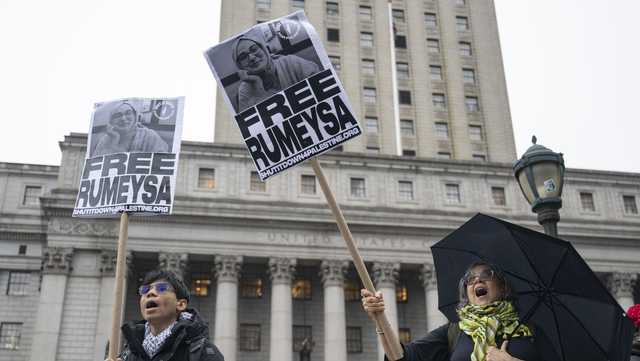
A federal court ordered the release of Rümeysa Öztürk, a Turkish Fulbright scholar and doctoral candidate at Tufts University, who had spent more than six weeks in immigration detention. The reason behind her detention? Co-authoring a campus newspaper op-ed. Her release last Friday is being hailed as a significant moment for the protection of free speech rights—especially for non-U.S. citizens.
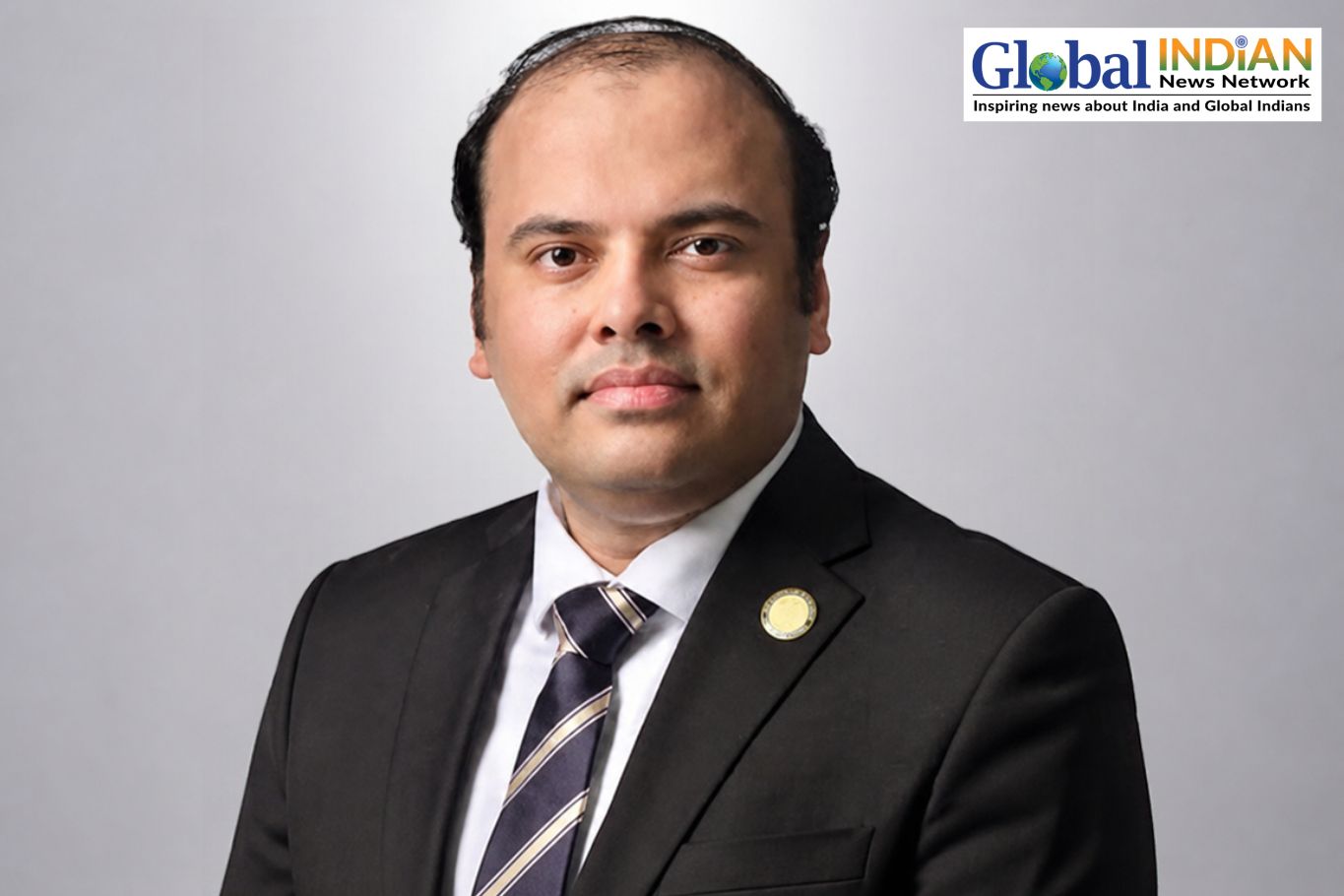
The case underscores a larger issue, according to ACLU attorney Esha Bhandari, who argues that immigration policy is being used to suppress political opinions. In court, she contended that Öztürk’s detainment was clearly prompted by her public expression, a stance that helped secure the scholar’s release as her legal battle continues.
At the heart of this issue lies a pressing constitutional question: Can the government sidestep First Amendment guarantees by using immigration law against dissenting voices? Bhandari firmly believes it cannot, stressing that immigration law must align with the Constitution’s free speech protections.
This legal argument directly opposes the federal government’s position that certain political expressions—particularly those related to foreign affairs—can justify action against non-citizens. Bhandari, a seasoned defender of civil liberties in the digital era, sees this as a dangerous precedent.
Öztürk’s case isn’t isolated. Similar action has been taken against international students involved in pro-Palestinian protests at universities like Columbia and Cornell. These students were not arrested for illegal acts but rather for speech that challenged dominant political narratives.
Bhandari warned that the government’s use of a little-known immigration statute—originally designed for extreme diplomatic circumstances—to justify detentions based on protest activity is troubling. The law, updated in the 1980s to prevent misuse, was never intended to police student speech.
The impact of these enforcement strategies is already being felt, as many students now fear speaking up. Bhandari emphasized that regardless of one’s political stance, the notion of the government deciding what speech is permissible should concern everyone.
As these legal battles unfold, the outcomes may redefine how immigration law intersects with constitutional freedoms. The stakes are high—not just for scholars like Öztürk, but for anyone participating in political dialogue while living in the United States on a visa.