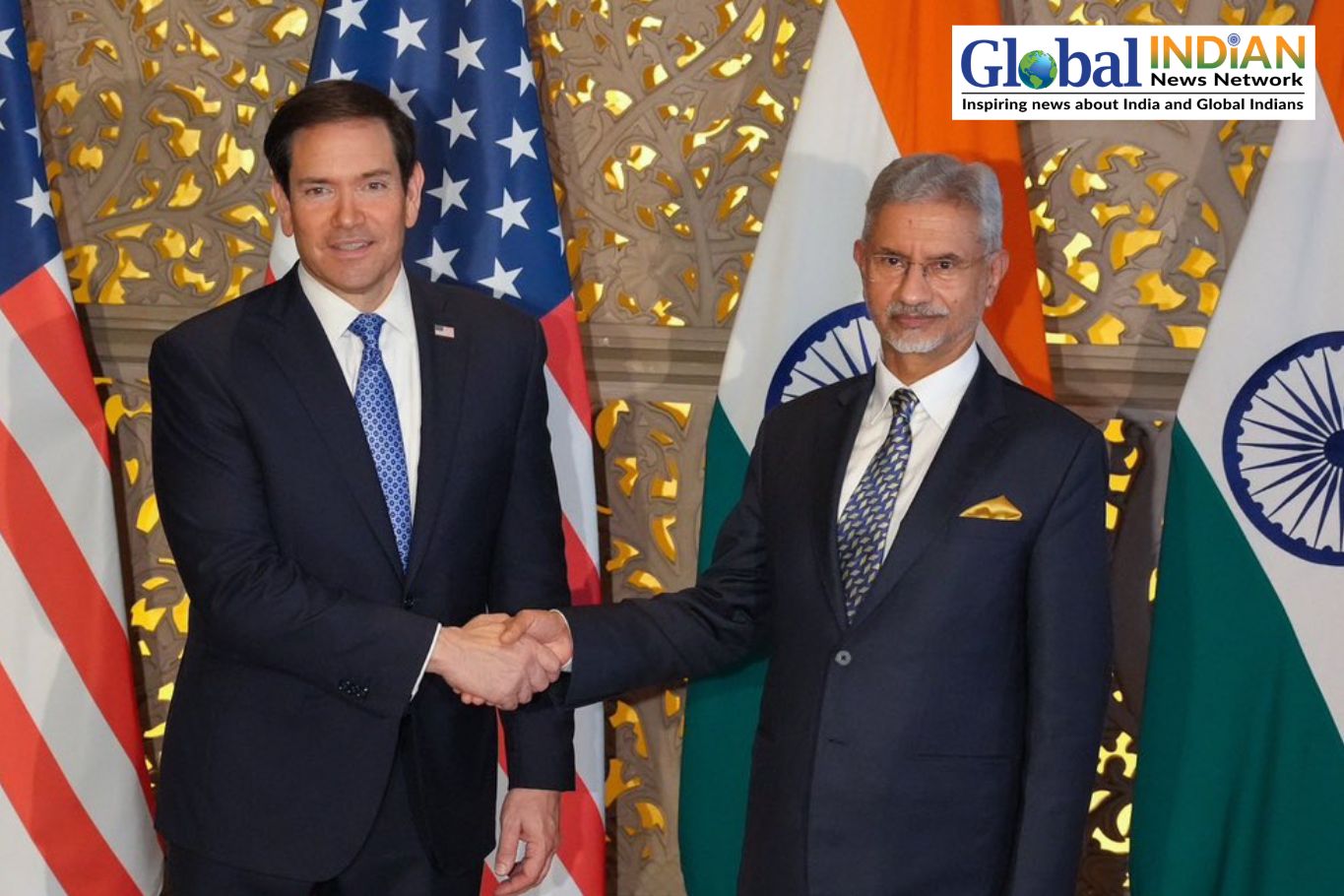
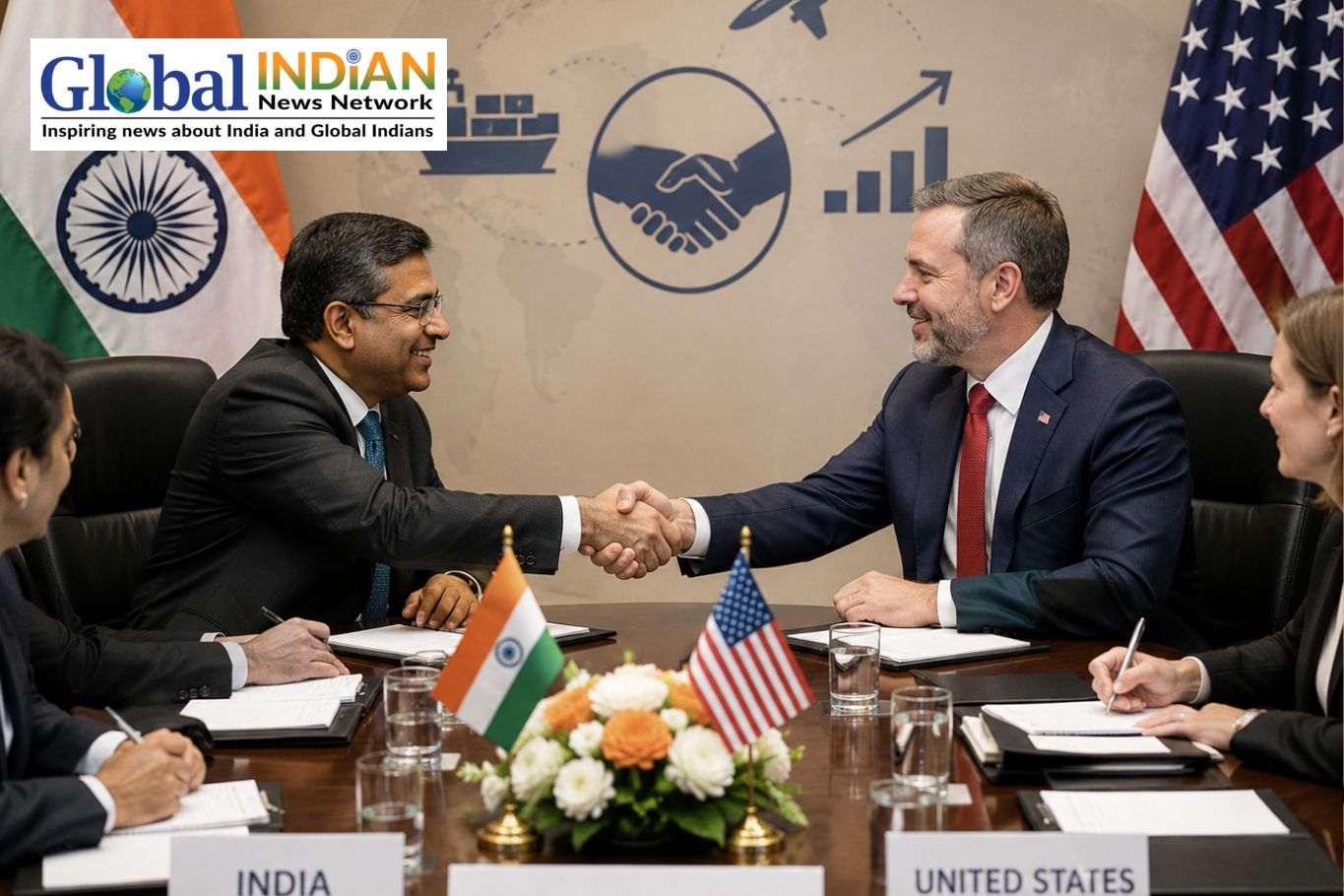
 India and the United States are moving closer to finalizing an interim trade agreement, with a US trade delegation expected to visit India later this month for further discussions. According to a government official familiar with the negotiations, the proposed arrangement is nearing completion after months of extended talks between both countries.
India is currently pushing for a reduction in the tariff levels that were earlier discussed during negotiations. Officials from New Delhi argue that the effective tariff rate has already declined to nearly 10 percent following a recent ruling by the US Supreme Court. India believes the revised legal position should be reflected in the interim trade framework currently under discussion.
However, US authorities have reportedly indicated that the existing tariff structure may not remain unchanged for long. Washington is continuing its investigation under Section 301 of the Trade Act of 1974, which could eventually lead to revised tariffs or fresh trade restrictions depending on the final findings of the probe.
Earlier this year, the US Supreme Court invalidated the reciprocal tariff system introduced during Donald Trump’s administration. Following that ruling, the US government shifted toward using Section 122 as a temporary mechanism to maintain trade pressure on partner nations. Under Section 122, tariffs can be imposed for a limited period, though they remain subject to legal and procedural limitations.
The temporary tariff framework currently maintains a uniform duty rate of around 10 percent. However, any move to increase these tariffs further, including proposals to raise duties to nearly 15 percent for certain countries, may require approval from Congress or face legal objections in US courts.
A joint statement released by India and the United States on February 7 had outlined plans for reducing tariffs on Indian exports from nearly 50 percent to approximately 18 percent under the proposed interim arrangement. On the same day, the US also removed additional tariffs that had earlier been imposed on selected Indian exports over concerns related to India’s imports of Russian oil.
Officials involved in the negotiations stated that the proposed agreement will likely consider the ongoing Section 301 investigation and other possible trade restrictions. The investigation currently covers 16 economies, including India, China, Japan, South Korea, and the European Union, and focuses on industries such as steel, automobiles, semiconductors, electronics, machinery, batteries, and solar equipment.