Union Commerce and Industry Minister Piyush Goyal has indicated that the proposed India-US bilateral trade agreement is nearing finalisation, with key issues surrounding the framework and implementation process beginning to take shape. His remarks signal progress in ongoing negotiations between the two countries, despite fresh trade-related concerns arising from proposed American tariffs on Indian goods.
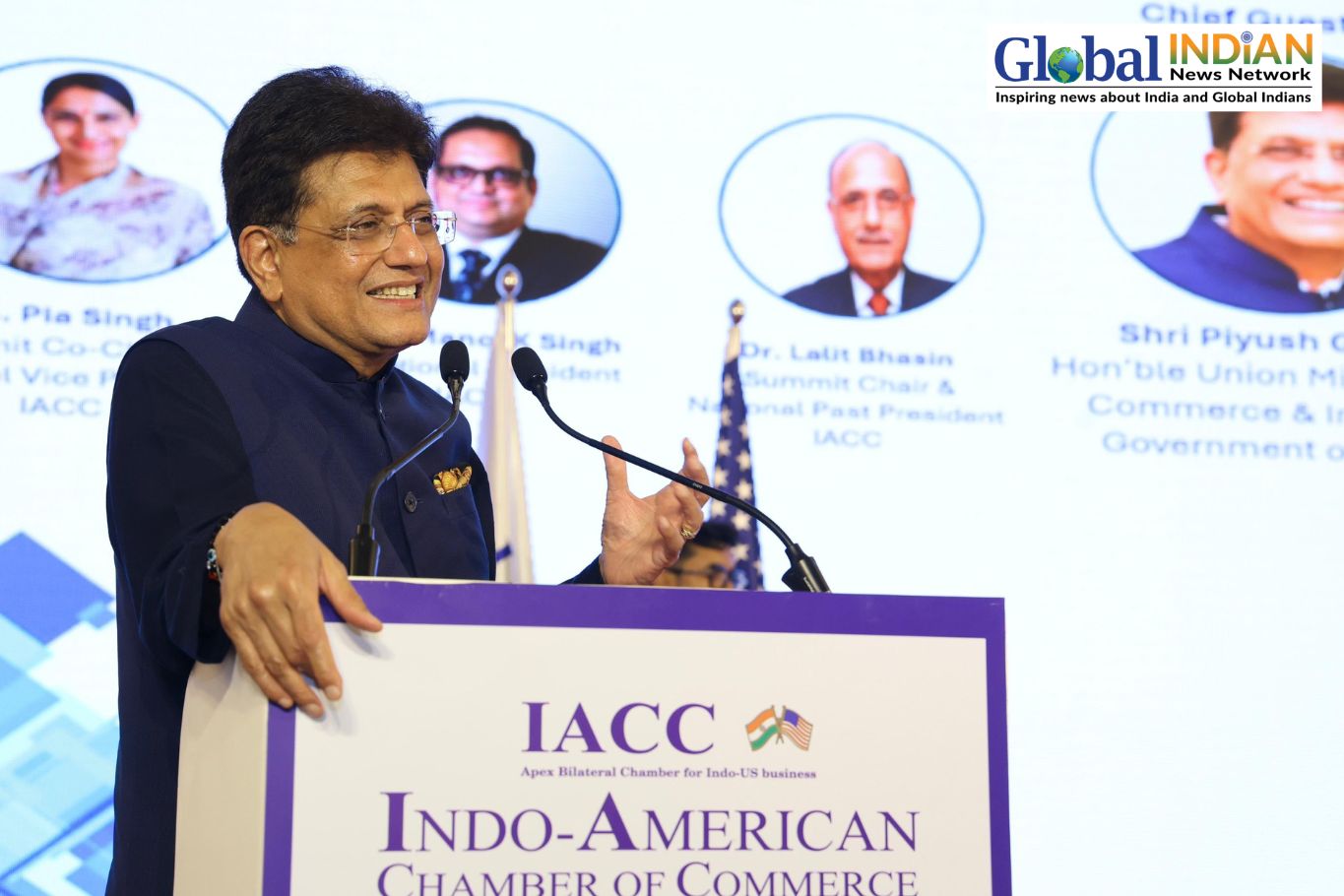
Addressing the India Debt Capital Market Summit 2026 virtually, Goyal said the trade agreement was close to culmination, adding that the process and pathway that had previously delayed its finalisation were now taking shape. He expressed confidence that the agreement could strengthen economic cooperation and expand trade opportunities between the two countries.
The minister’s comments come amid renewed trade tensions after the United States proposed additional tariffs of up to 25 per cent on Indian goods under a Section 301 investigation concerning alleged excess manufacturing capacity. Washington has indicated that the proposed tariff rate could be reduced to 17 per cent if India and the US successfully conclude a reciprocal trade agreement.
India has rejected allegations of structural excess manufacturing capacity in any sector and maintained that trade-related concerns should be addressed through ongoing bilateral discussions. The developments highlight the importance of continued negotiations in resolving differences and establishing a mutually beneficial trade framework.
Highlighting India’s broader economic performance, Goyal said the government remains committed to expanding international trade through free trade agreements, simplifying the Goods and Services Tax (GST) framework and maintaining lower tax rates to support consumption and economic activity.
He also pointed to the country’s strong revenue and export performance. According to the minister, GST collections continued to maintain an upward trajectory, with October recording an all-time high. He further stated that India’s exports had reached a record $90 billion in a single month, reflecting the country’s expanding presence in global markets.
Goyal noted that India’s growing network of free trade agreements would provide additional momentum to exports, investment and international economic partnerships. Several agreements that have already been signed are yet to become operational, creating further opportunities for Indian businesses to access overseas markets.
On negotiations with the European Union, the minister expressed optimism that the proposed India-EU Free Trade Agreement could be concluded later in the year and potentially come into force by March or April next year. The agreement is expected to open additional avenues for trade, investment and cooperation between Indian and European businesses.
Despite the tariff-related uncertainty, the United States continues to remain India’s largest export destination. During the first seven months of the current financial year, India’s exports to the US reached $59.52 billion, compared with $52 billion during the corresponding period of the previous year.
The growing export figures underline the importance of the American market for Indian manufacturers and exporters. A comprehensive bilateral trade agreement could provide greater clarity on market access, tariff structures and trade regulations, potentially supporting stronger commercial ties.
As negotiations progress, the proposed India-US trade pact remains an important component of India’s broader strategy to strengthen global economic integration. Alongside upcoming agreements with other major trading partners, the deal could influence export growth, investment flows and opportunities for Indian businesses in international markets.