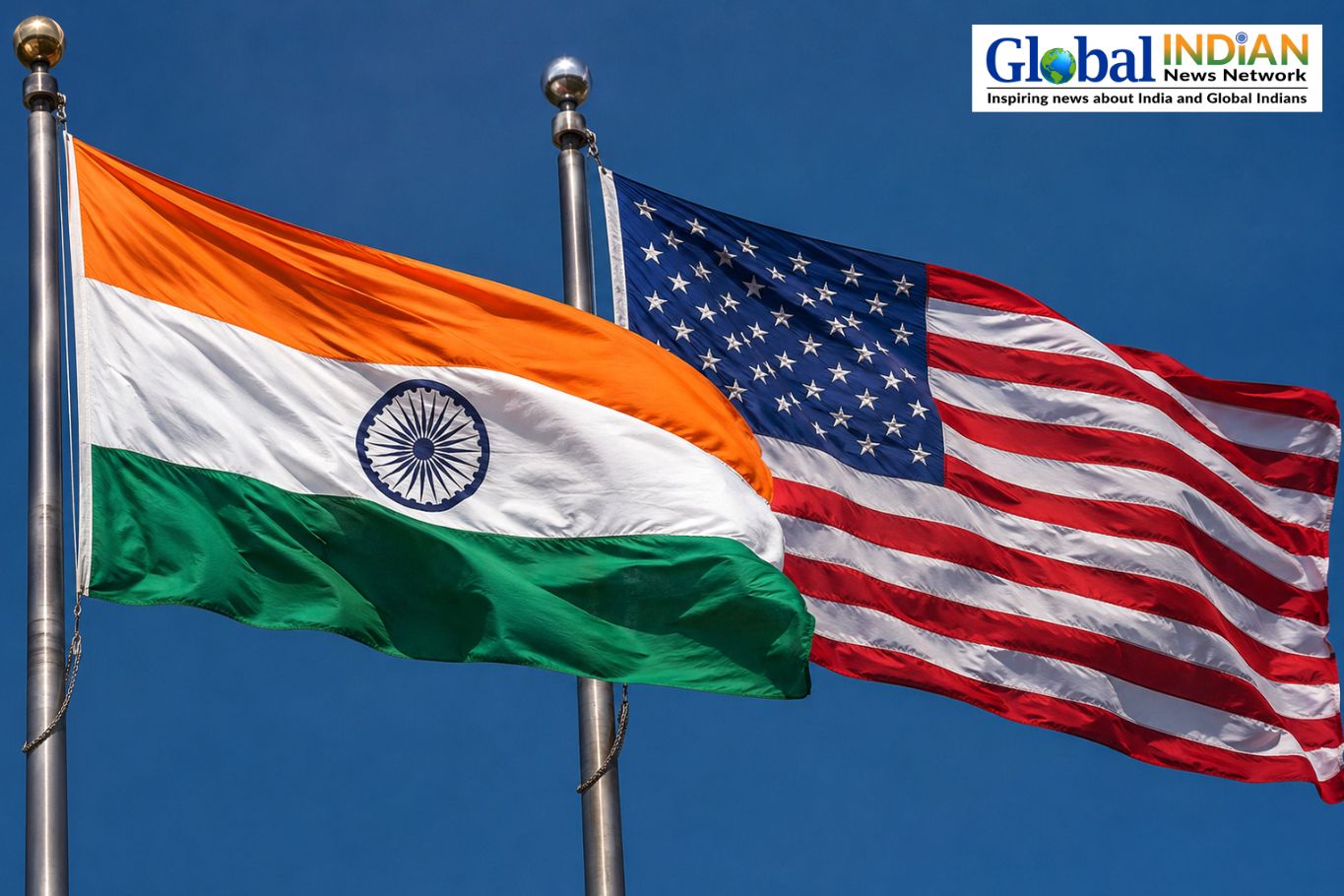
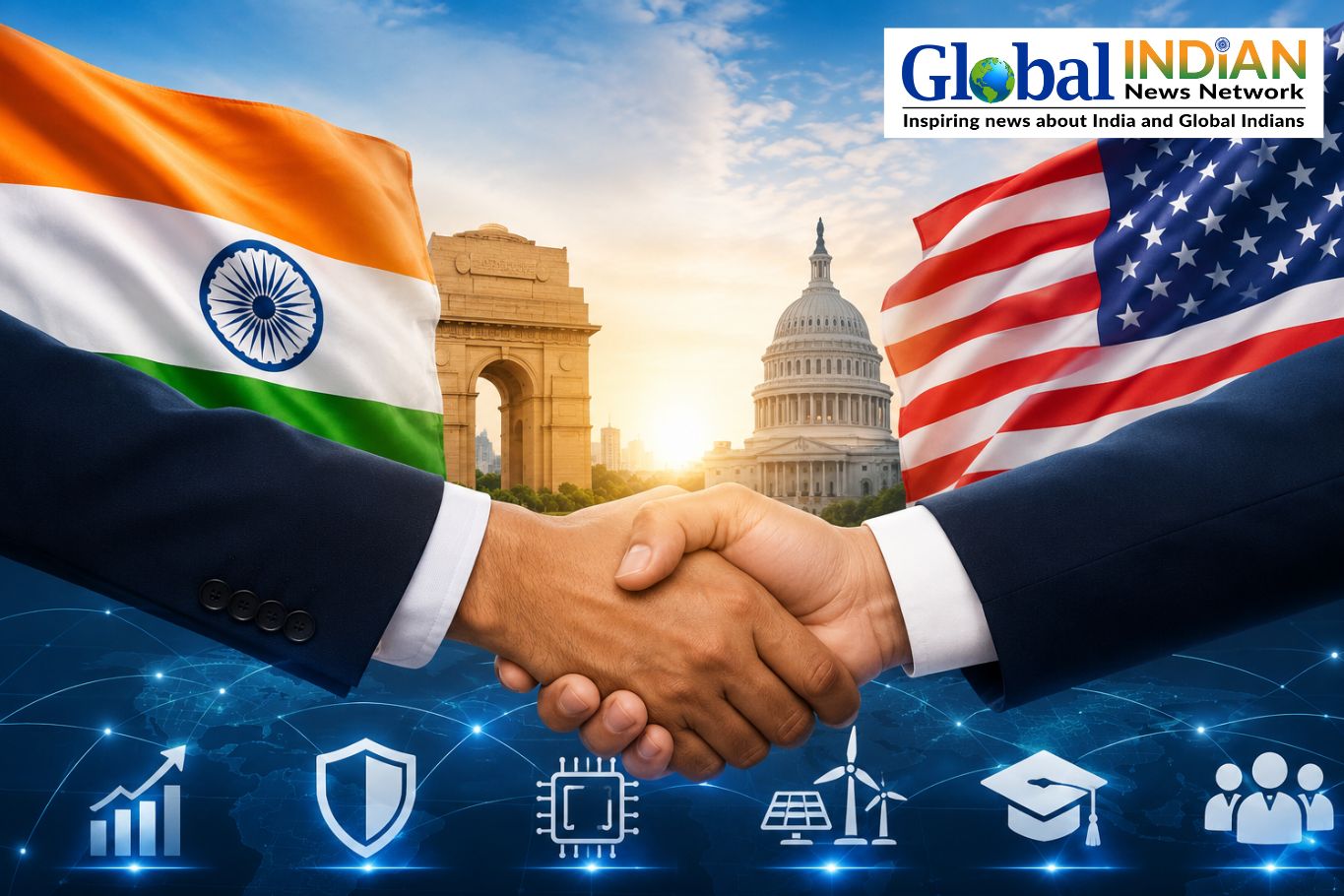
 The United States has reaffirmed its commitment to deepening strategic relations with India, describing the partnership as one of its most significant global alliances. According to senior officials from the US State Department, cooperation between the two countries is expanding rapidly across key sectors such as trade, advanced technology, energy security, and defence collaboration.
Bethany Poulos Morrison, Deputy Assistant Secretary of State for South and Central Asia, emphasized that the US administration is actively working to accelerate bilateral engagement. She described the India-US relationship as central to future global dynamics, highlighting that both nations are increasingly aligned on long-term strategic priorities. Speaking at a Capitol Hill advocacy event organized by the Foundation for India and Indian Diaspora Studies, she noted that emerging technologies such as artificial intelligence, semiconductors, and critical minerals are becoming core pillars of the partnership.
Morrison also underscored that trade remains a driving force in strengthening ties. She referenced ongoing negotiations initiated in early 2026 aimed at finalizing a landmark agreement designed to expand market access and ensure mutually beneficial economic terms. The goal, she noted, is to significantly scale bilateral trade toward a target of $500 billion by 2030, supported by rising exchange volumes and stronger commercial engagement. Recent figures showed bilateral goods trade reaching approximately $149 billion in 2025, reflecting steady growth momentum.
In addition to trade, energy cooperation between the two countries continues to expand. Morrison pointed out that hydrocarbon exchanges, including oil, gas, and coal, have grown substantially in recent years, reaching about $14.4 billion in value. She also highlighted growing opportunities in civil nuclear energy cooperation, supported by evolving policy frameworks in India.
Defence relations were described as advancing at an accelerated pace following a 10-year framework agreement signed between Washington and New Delhi. This agreement is seen as a long-term commitment to joint development, production, and enhanced security collaboration between the two nations.
Technology cooperation remains another critical focus area, with initiatives such as the Trust framework between US and Indian leadership guiding collaboration in artificial intelligence, semiconductors, and other emerging sectors. Upcoming discussions between respective ministries are expected to further strengthen these initiatives.
Beyond economic and strategic ties, Morrison emphasized the importance of people-to-people connections, particularly the role of the Indian diaspora in the United States. With over 330,000 Indian students currently studying in American institutions, educational and cultural exchanges continue to serve as a strong foundation for long-term bilateral understanding.
She concluded that the partnership is increasingly driven by measurable outcomes rather than symbolic diplomacy, reinforcing that shared results and mutual benefit remain at the core of India-US relations.