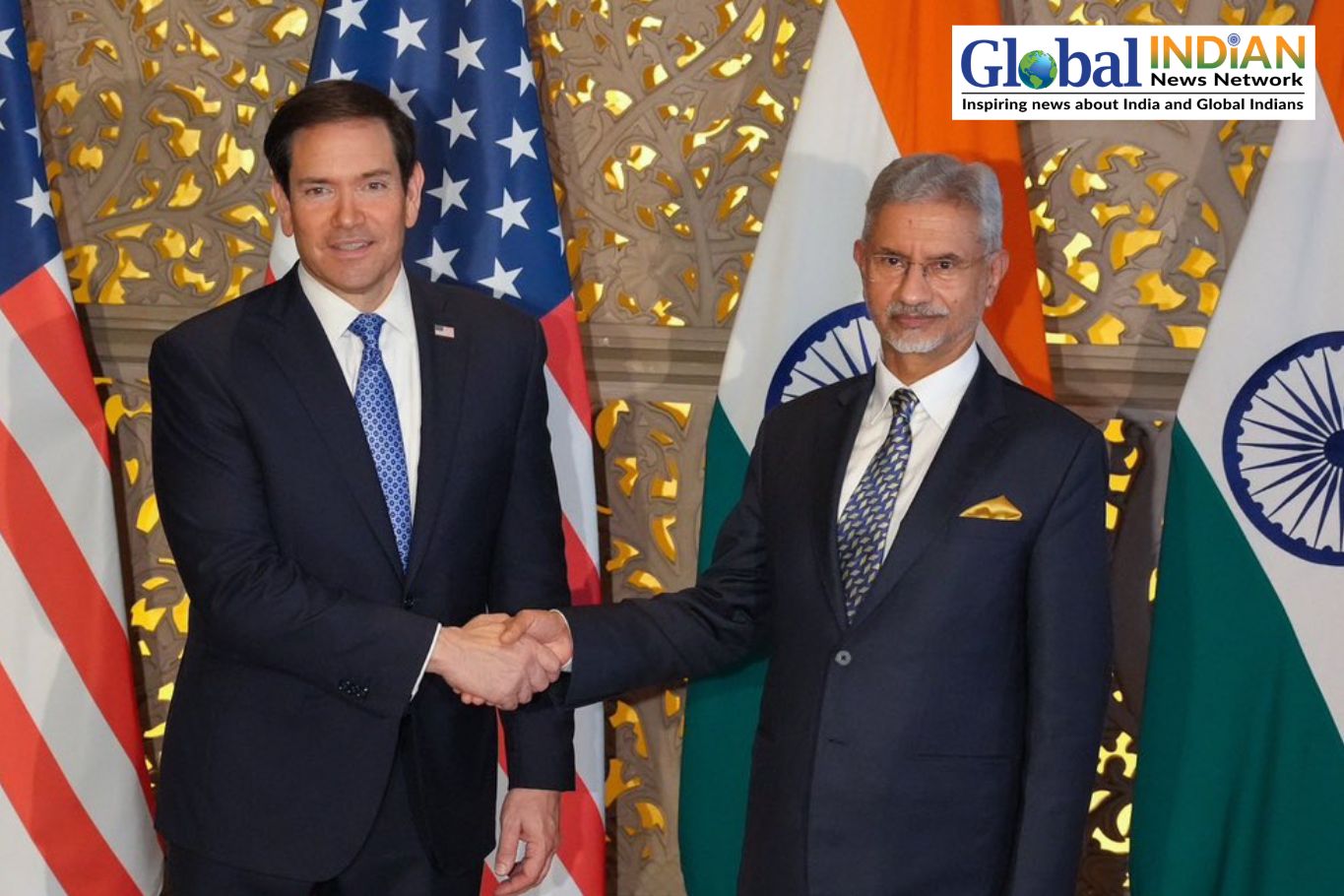
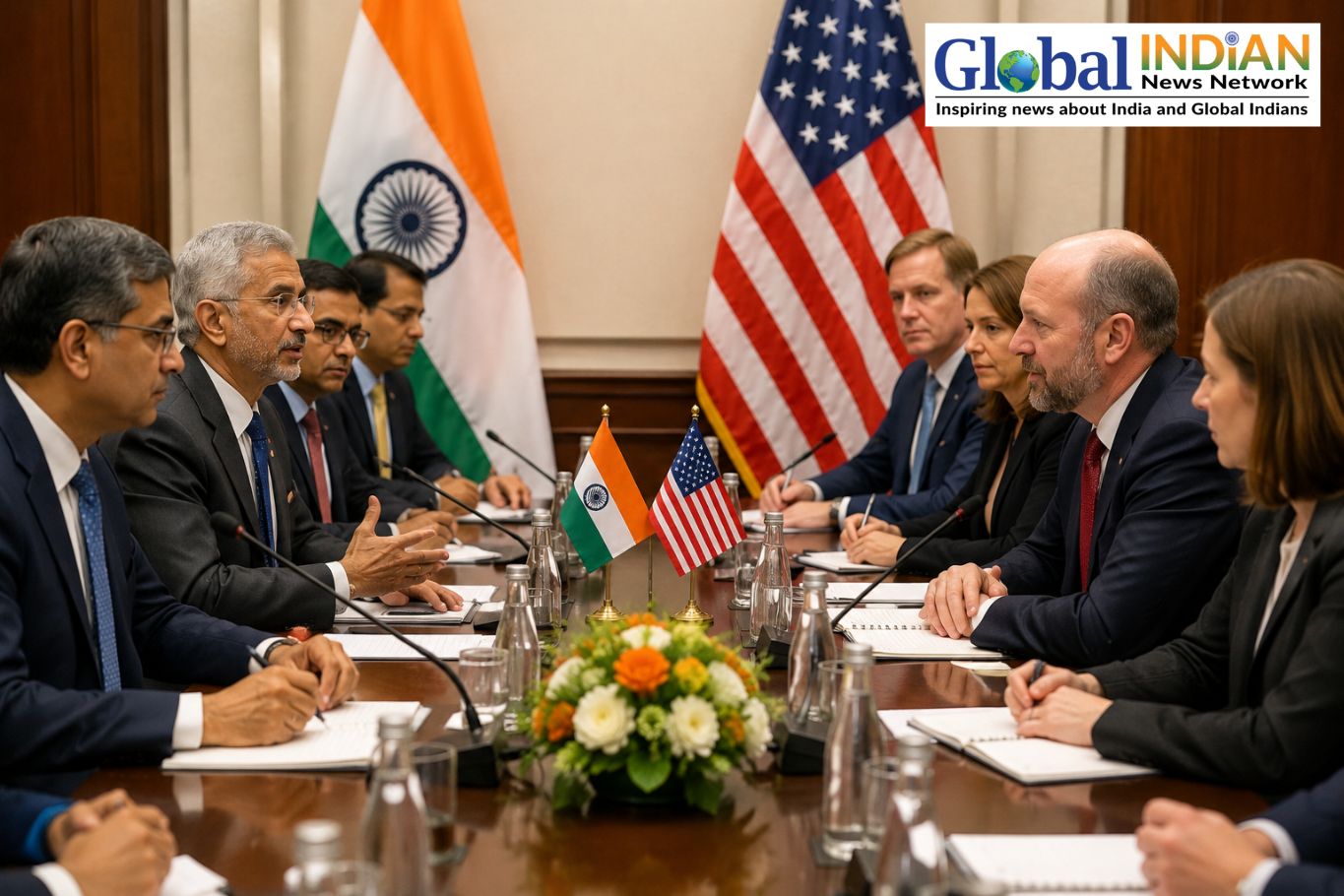
 India and the United States are preparing to intensify discussions this week on a proposed bilateral trade agreement, with senior officials from both countries meeting in New Delhi to accelerate negotiations ahead of an important tariff deadline set by the United States.
US Ambassador to India Sergio Gor confirmed that US Trade Representative Jamieson Greer will visit India for a series of high-level discussions with India’s Commerce and Industry Minister Piyush Goyal. The meetings are expected to focus on advancing the proposed trade framework and addressing key unresolved issues that have slowed progress in recent months.
According to Gor, multiple rounds of talks have been scheduled between the two sides, reflecting renewed momentum in efforts to push forward the trade pact. The discussions are aimed at building consensus on the structure of the first phase of the agreement, which is intended to serve as an interim arrangement before a broader and more comprehensive trade deal is finalised in the future.
Minister Piyush Goyal has also confirmed the upcoming visit and expressed optimism about progress in negotiations. He indicated that both countries are actively working to narrow differences across several sectors and move closer to an initial agreement. Officials involved in the process believe that the immediate goal is to establish a framework that improves market access and strengthens economic cooperation.
Earlier consultations between negotiators took place in New Delhi from June 2 to June 4, where both sides reviewed progress and explored possible compromises. These discussions laid the groundwork for the upcoming ministerial-level engagement, which is expected to be more decisive in shaping the direction of the agreement.
The urgency around the talks has increased due to a temporary 10 percent tariff imposed by the United States on imports from multiple trading partners. This measure, introduced earlier this year, is scheduled to expire on July 24, creating a narrow window for negotiators to finalise an interim arrangement.
Trade experts suggest that reaching an agreement before the deadline could provide greater stability for businesses and investors by reducing uncertainty around future tariff structures. It could also help prevent the emergence of additional trade barriers that might affect bilateral commerce.
Both India and the United States are pursuing a phased strategy to deepen economic ties, with the proposed agreement seen as a key step in expanding trade, improving investment flows, and strengthening long-term cooperation. The upcoming discussions in New Delhi are therefore expected to play a crucial role in shaping the next phase of economic engagement between the two countries.