India and the United States are looking to build further momentum in their civil nuclear partnership, with senior officials from both countries discussing recent developments and potential areas for expanded cooperation in the nuclear energy sector.
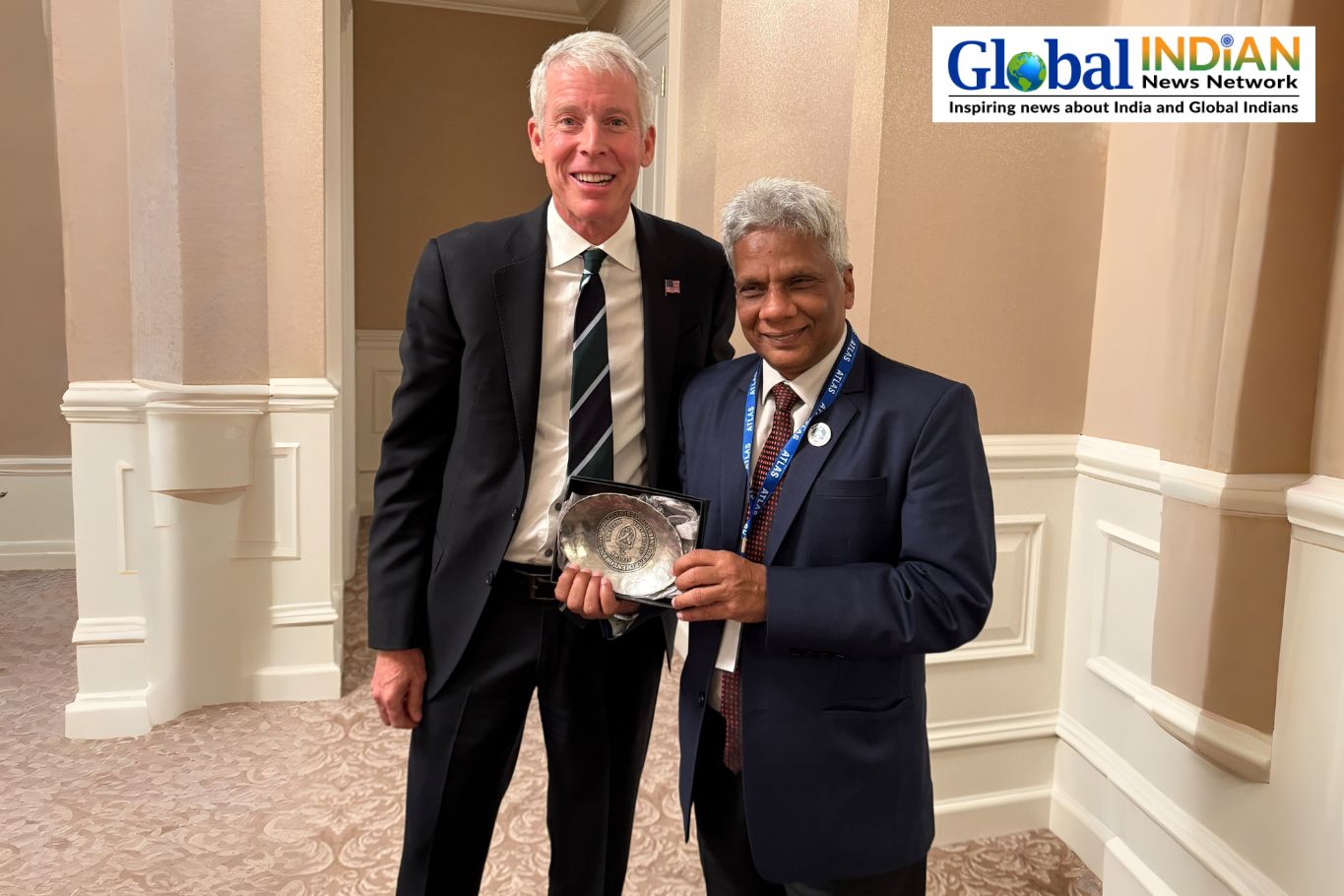
Atomic Energy Commission Chairman Ajit Kumar Mohanty held talks with US Energy Secretary Chris Wright in Washington as the two sides reviewed the progress of their bilateral civil nuclear engagement. The meeting comes as international efforts to explore new applications for nuclear technology gain greater attention.
The discussions took place ahead of the launch of an International Atomic Energy Agency initiative focused on examining the use of nuclear technologies in maritime applications. The program, known as Atomic Technologies Licensed for Applications at Sea, is expected to investigate how advanced nuclear systems could be adapted for civilian purposes beyond traditional power generation.
One of the key areas being explored is the potential use of small modular reactors, or SMRs, to provide power for civilian ships. These compact nuclear systems are designed to offer an alternative approach to conventional large-scale reactors and could potentially support energy needs in maritime and offshore environments.
The emerging technology has attracted interest because of its potential applications in locations where reliable, high-capacity energy sources can be challenging to provide. Exploring nuclear power for civilian vessels and offshore operations could open new avenues for research, regulation and international cooperation.
The meeting between Mohanty and Wright underscores the broader effort by India and the United States to maintain close engagement on nuclear energy. Civil nuclear cooperation has been an important component of the strategic relationship between the two countries, particularly as both nations seek cleaner and more reliable energy technologies.
The latest discussions also reflect growing interest in advanced nuclear systems that could complement existing energy infrastructure. Small modular reactors are being studied internationally for their potential flexibility, scalability and suitability for specialized applications.
As global demand for dependable energy continues to increase, cooperation on next-generation nuclear technologies could become an increasingly significant part of India-US energy ties. Joint engagement can also help address technical, regulatory and safety considerations associated with deploying nuclear technology in new environments.
The Washington meeting therefore represents another step in ongoing discussions between the two countries. With the IAEA initiative preparing to examine nuclear applications at sea, India and the United States have an opportunity to contribute to broader international conversations about how advanced nuclear technologies could be safely and effectively used for civilian purposes.