The 11th BRICS Energy Ministers’ Meeting, hosted under India’s chairship, concluded with the adoption of a Joint Communiqué outlining a shared vision for deeper collaboration on energy security, sustainability, innovation, infrastructure resilience, and capacity development among member nations.
One of the most significant achievements of India’s leadership was the launch of the BRICS Digital Centre of Excellence for Smart Grids and Energy Storage under the BRICS Energy Research Cooperation Platform (ERCP). The new initiative is intended to serve as a collaborative platform where member countries can exchange knowledge, share regulatory and policy experiences, strengthen technical expertise, and develop pilot projects related to modern energy systems.
Another key outcome of the meeting was the adoption of the BRICS Guiding Principles on Smart Grids and Energy Storage. The framework recognizes the increasing importance of digitally enabled and resilient power networks in ensuring reliable and affordable energy access while supporting the integration of renewable energy sources and emerging technologies.
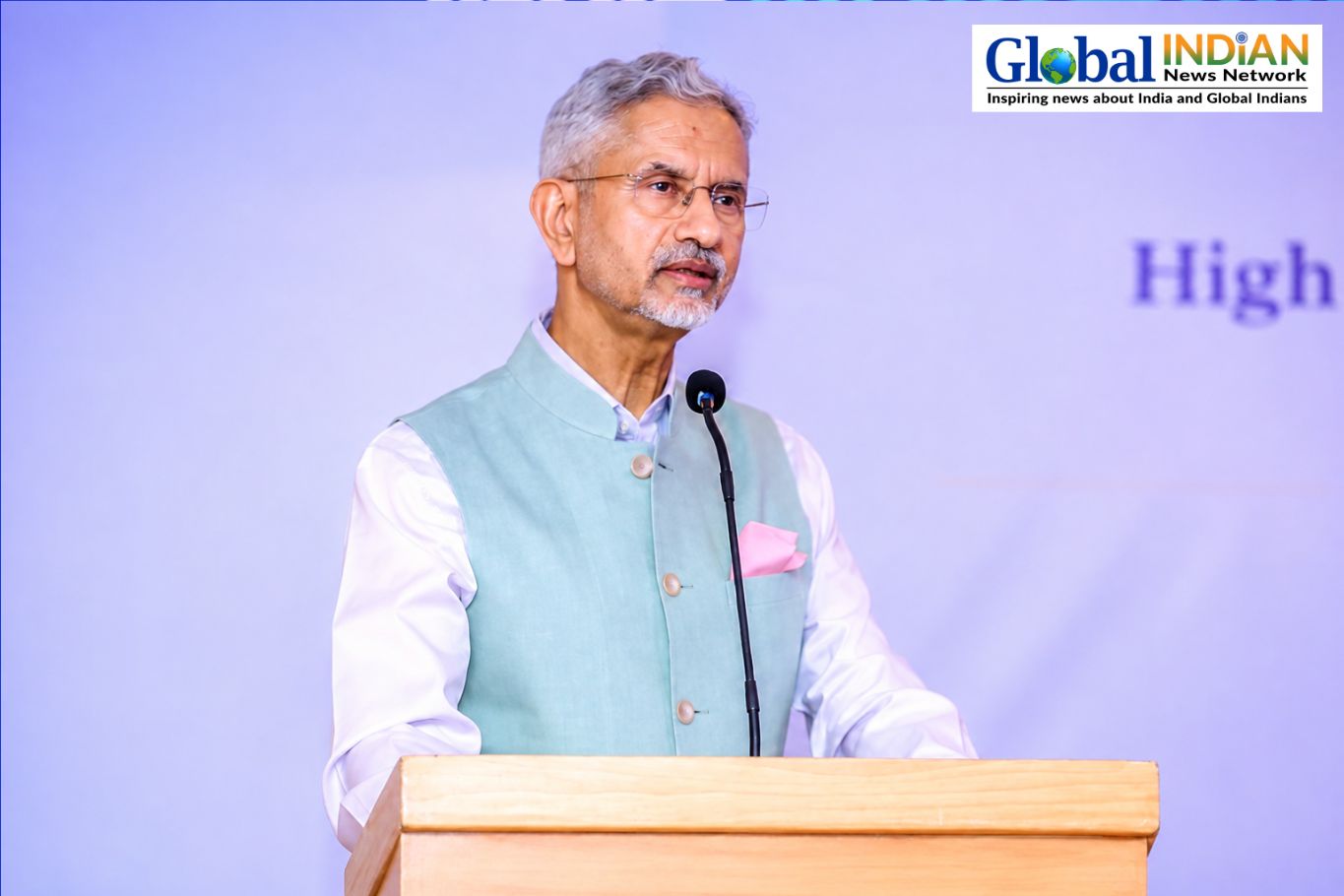
Addressing the gathering, India’s Power Minister Manohar Lal emphasized the crucial role of energy in driving economic growth, social advancement, and overall human development. He highlighted that developing economies require sufficient resources, flexibility, and policy support to achieve sustainable growth while meeting the aspirations of their populations. He also reaffirmed India’s commitment to creating resilient and future-ready energy systems based on the principle of “Energy for All.”
The ministers also welcomed progress on the BRICS Joint Report on Hydrogen Value Chains 2026, which is expected to provide a foundation for enhanced cooperation in hydrogen production, technology development, industrial applications, and future supply chains. The report is viewed as an important step toward expanding collaboration in alternative energy solutions.
Additionally, member countries endorsed updated Terms of Reference for the BRICS Energy Research Cooperation Platform, further strengthening institutional mechanisms for research, technical collaboration, and knowledge sharing across the bloc.
The Joint Communiqué reaffirmed that energy security remains a central pillar of BRICS cooperation. Ministers emphasized the need for diversified and transparent energy systems, resilient supply chains, and balanced energy mixes that support long-term economic development while ensuring reliable and affordable access to energy.
Discussions also highlighted opportunities for cooperation in renewable energy, biofuels, hydrogen, energy storage, critical minerals, carbon capture technologies, digitalization, and energy efficiency. Participants stressed the importance of affordable financing and innovation in accelerating energy transitions.
The ministers further recognized the value of research and youth engagement in shaping future energy systems and supported initiatives such as the BRICS Youth Energy Summit. As India concluded its chairship, member nations praised its efforts in advancing energy cooperation and expressed confidence in continuing progress under China’s leadership in 2027.