 India has strongly rejected allegations made in a recent Canadian intelligence assessment accusing New Delhi of foreign interference activities in Canada, describing the claims as “baseless imputations.” The Ministry of External Affairs reiterated that India respects the sovereignty of other nations and does not interfere in the internal affairs of foreign countries.
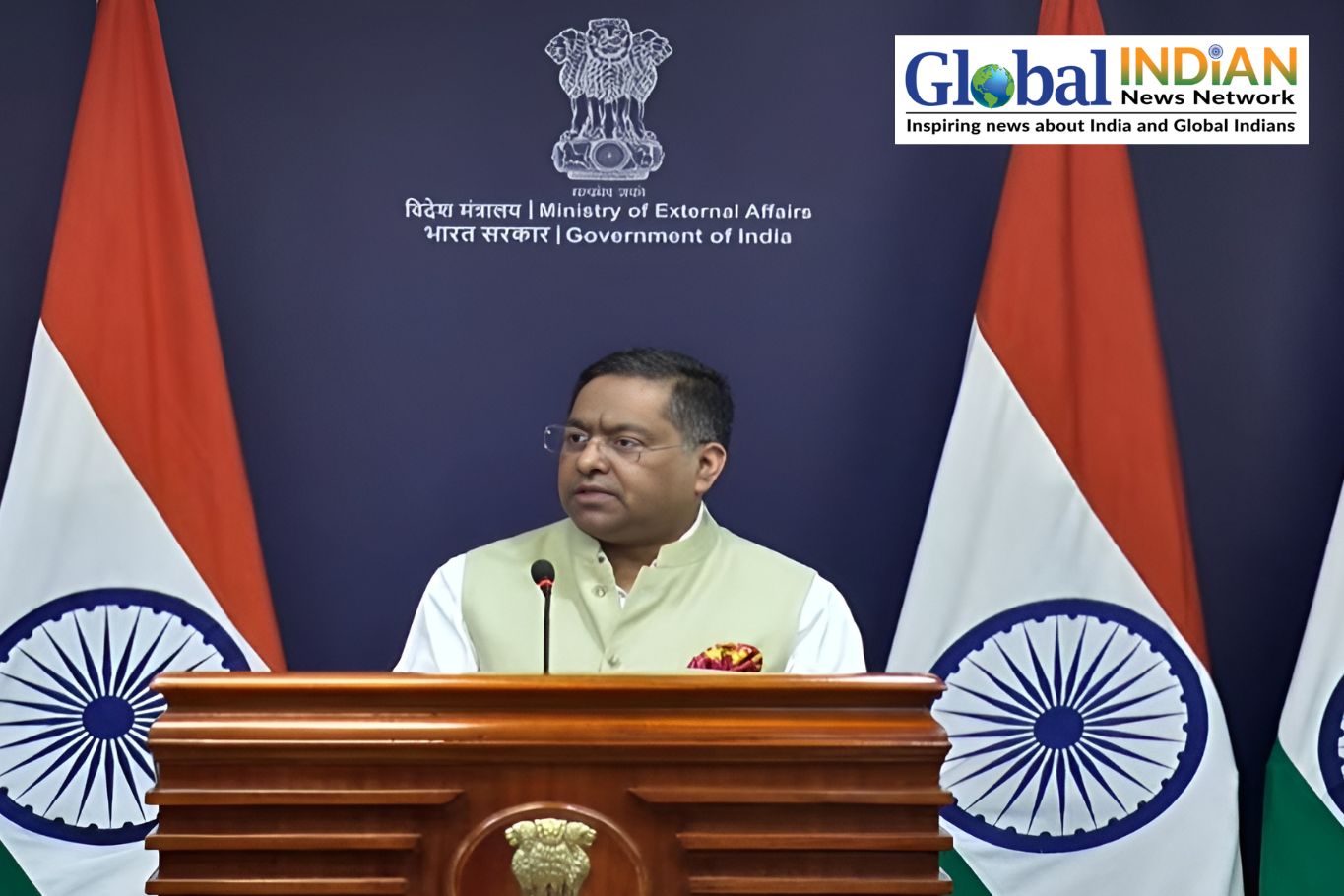
Responding to questions regarding the report issued by the Canadian Security Intelligence Service (CSIS), MEA spokesperson Randhir Jaiswal stated that India’s position on the matter has remained clear and consistent over time. He emphasised that any concerns of such nature should be addressed through established diplomatic mechanisms rather than through politicised public narratives.
The Canadian intelligence assessment claimed that foreign interference continues to pose challenges to the country’s democratic institutions and public discourse. The report identified several countries as sources of concern and also referred to extremist activities linked to Khalistani groups operating from Canadian territory.
India highlighted that the report itself acknowledged the continuing presence of Canada-based Khalistani extremist organisations and noted that such groups pose security concerns not only for India but also for Canada. New Delhi has repeatedly expressed concern over the use of Canadian soil by extremist and separatist elements involved in anti-India activities.
According to the Ministry of External Affairs, India has consistently urged Canadian authorities to take effective action against groups promoting extremism, glorifying violence, threatening diplomats, and encouraging separatist agendas. Indian officials have also raised concerns over incidents involving vandalism of places of worship and attempts to spread divisive narratives through unofficial referendums and extremist campaigns.
The latest exchange reflects continuing diplomatic sensitivities between the two countries, even as both sides maintain engagement on broader bilateral interests. India has maintained that mutual respect, adherence to international norms, and constructive dialogue are essential for preserving stable relations between democratic nations.
The issue also highlights the growing importance of addressing transnational extremism and misinformation through institutional cooperation rather than public confrontation. India has reiterated that safeguarding democratic values and preventing the misuse of freedoms by violent extremist groups remain important responsibilities for all nations.
As geopolitical and security concerns increasingly intersect with diaspora politics and digital influence campaigns, the developments underline the complexities facing modern diplomatic relations. India’s response signals its intention to firmly counter allegations it considers unfounded while continuing to advocate for stronger action against extremist activities targeting its national interests.