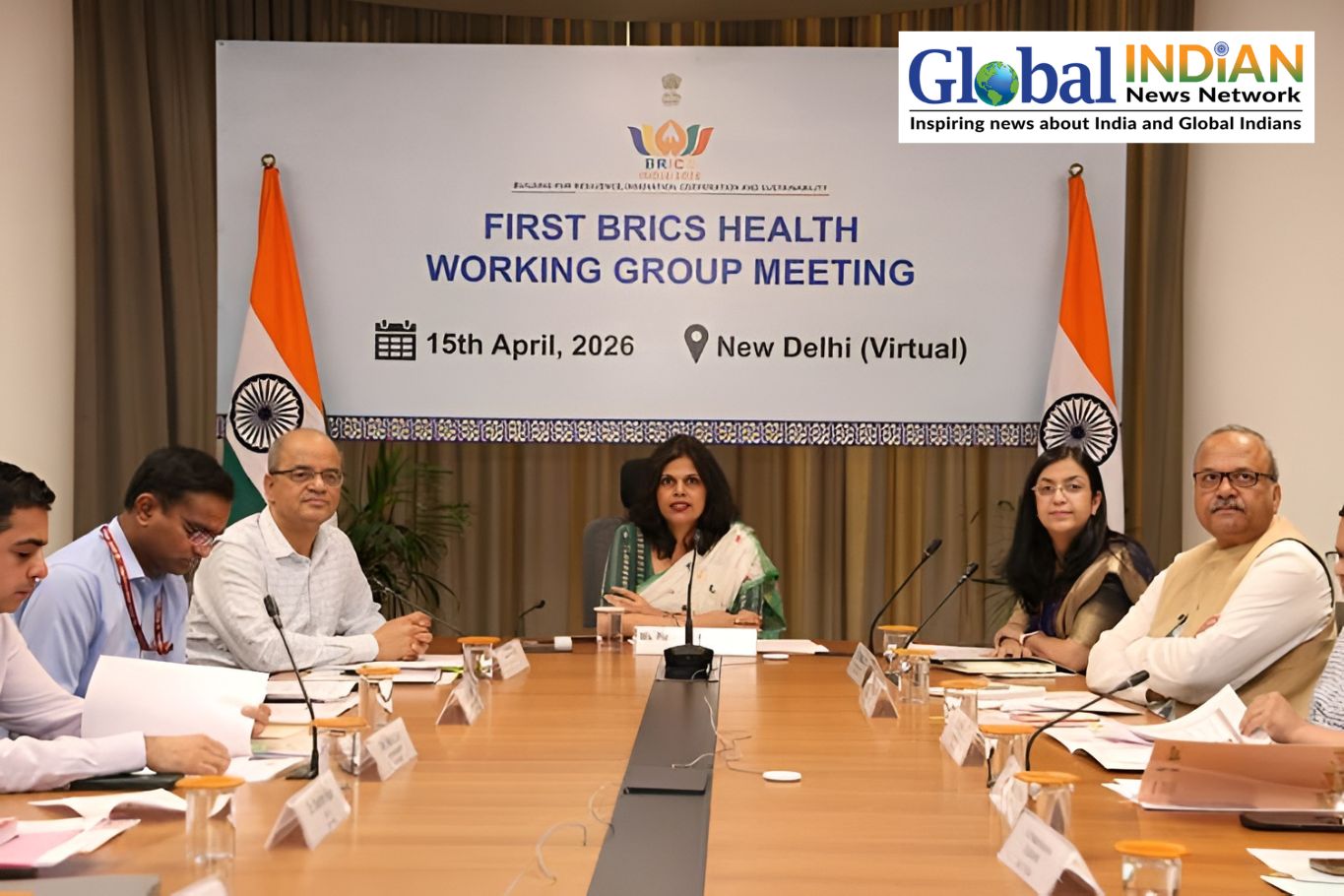
 India has initiated its leadership under the BRICS framework for 2026 by hosting the first Health Working Group meeting, bringing together senior health officials from nine member countries to strengthen collaboration on global health priorities. The virtual session was chaired by Union Health Secretary Punya Salila Srivastava and included participation from nations across four continents, reflecting the expanded scope of the BRICS grouping.
The discussions focused on a wide range of public health challenges, including tuberculosis research, digital healthcare systems, and mental wellness. India has structured its presidency around a theme centered on resilience, innovation, cooperation, and sustainability, aligning with a people focused vision for global health collaboration. This approach aims to ensure that healthcare strategies are inclusive, evidence based, and adaptable across different national contexts.
During the meeting, India proposed two new priority areas to guide BRICS health cooperation. The first initiative focuses on promoting healthy lifestyles by addressing risk factors such as poor diet, lack of physical activity, tobacco use, and alcohol consumption. The second priority highlights the importance of mental health, with an emphasis on expanding services, reducing stigma, and integrating mental wellness into mainstream healthcare systems. Both proposals received strong support from member nations, indicating a shared commitment to addressing these challenges.
The meeting also reviewed multiple ongoing areas of cooperation, including efforts to combat communicable and non communicable diseases, strengthen healthcare systems, and improve access to affordable medicines. Delegates discussed the need for coordinated action in areas such as vaccine production, equitable access to health technologies, and preparedness for future pandemics.
Key initiatives under consideration included enhancing tuberculosis research collaboration, developing an integrated early warning system for infectious diseases, and building digital health infrastructure to ensure continuity of care, especially in remote regions. Member countries also emphasized the importance of addressing social determinants of health and promoting traditional and integrative medicine as part of comprehensive healthcare strategies.
Overall, the meeting highlighted a unified approach among BRICS nations to strengthen global health systems through cooperation, innovation, and shared responsibility, with a focus on delivering practical outcomes in the near future.