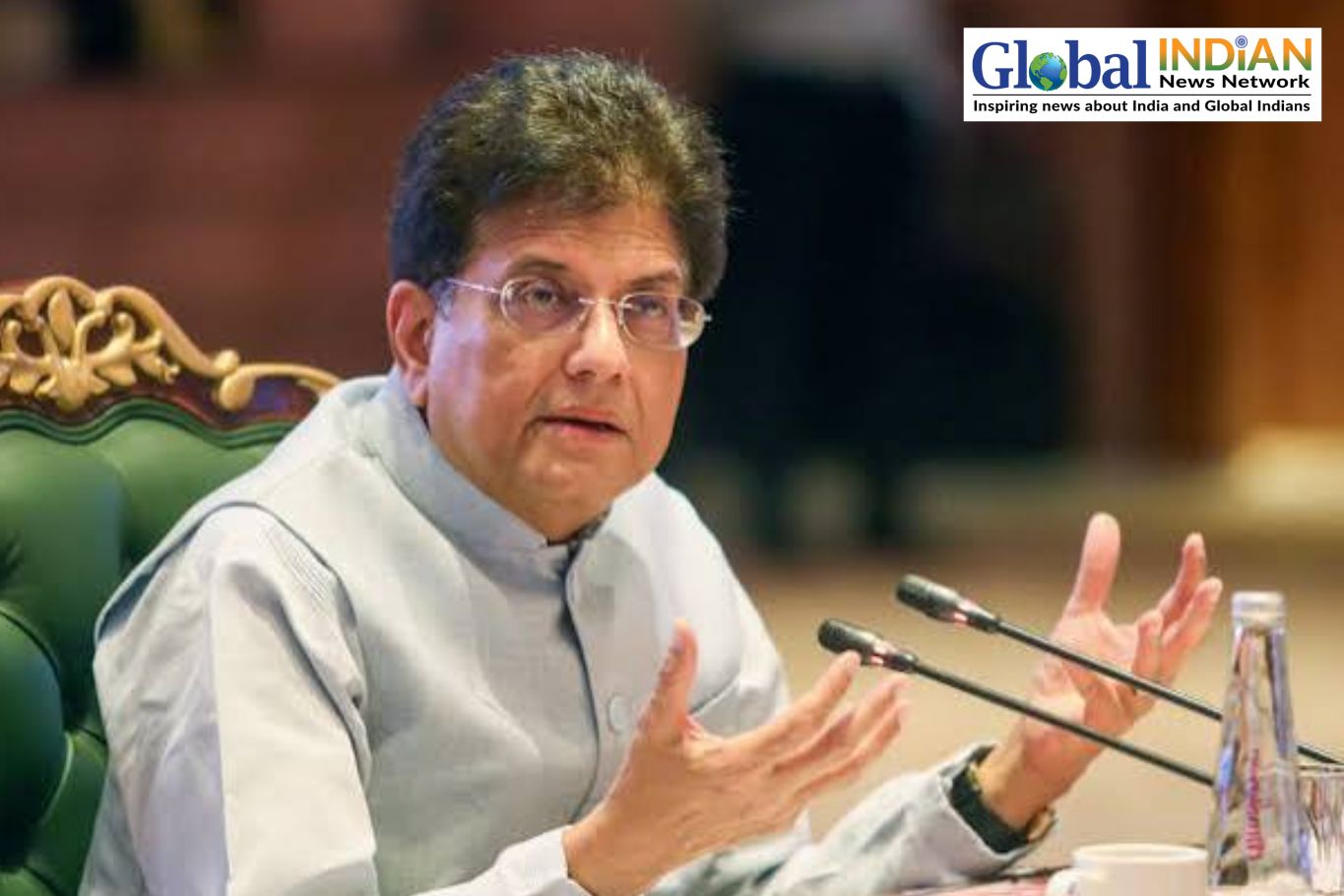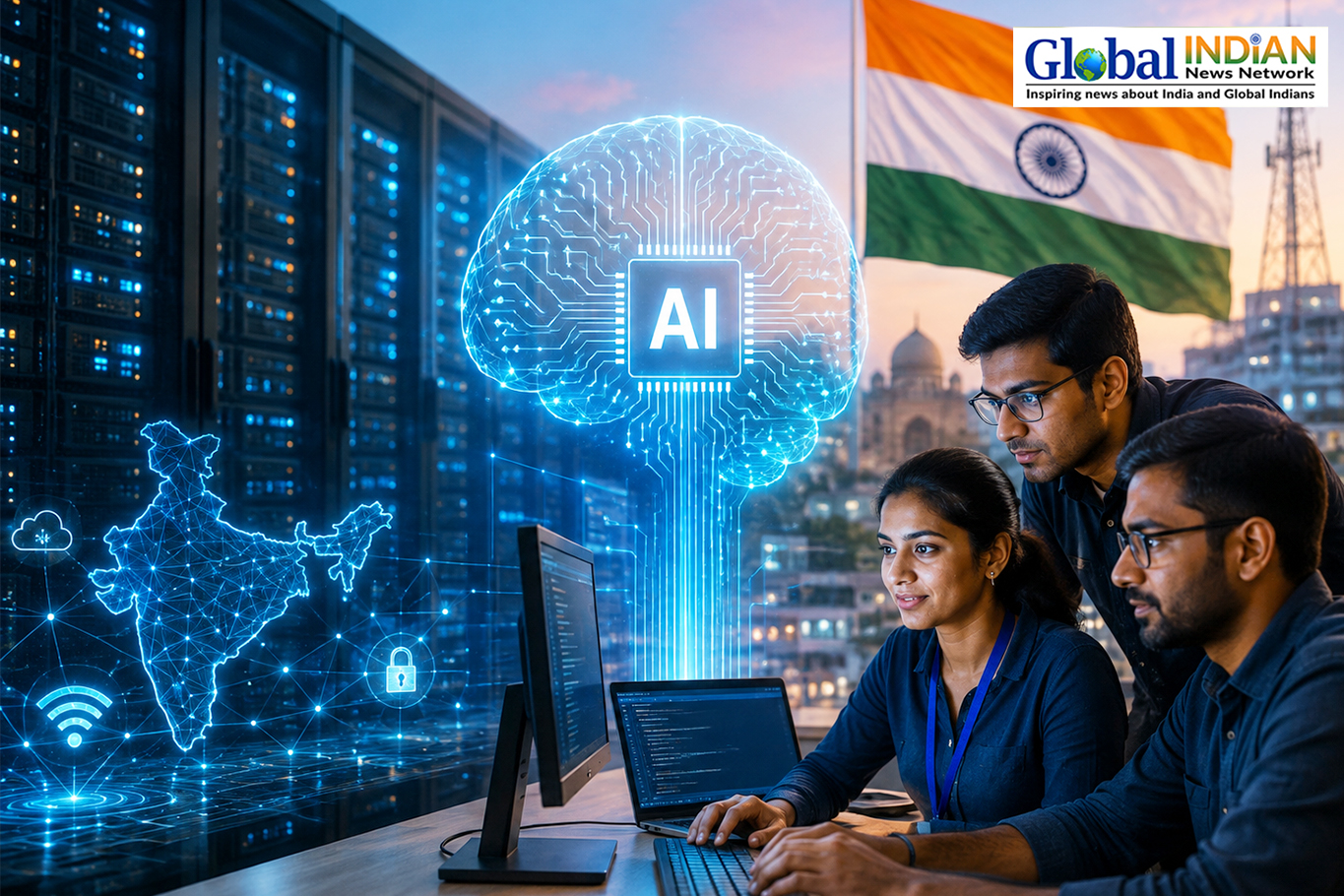
India is positioning itself as a major technology hub by building on its strengths in artificial intelligence, digital infrastructure, electronics, and renewable energy. Union Minister Ashwini Vaishnaw said the country’s biggest advantage in AI is its applications layer, where India’s established information technology industry and experience in solving enterprise challenges provide a strong foundation for innovation.
The country’s startup ecosystem is increasingly embracing artificial intelligence. Nearly 80% of startups emerging in India are reportedly working on AI-driven solutions, reflecting the growing role of the technology across industries. The focus on practical applications could allow Indian companies to develop solutions tailored to business requirements while expanding the country’s presence in the global technology market.
Data centers are another area expected to experience significant growth as demand for computing power increases. India’s large renewable energy base could provide an important advantage for supporting these energy-intensive facilities. Around 250 gigawatts of the country’s power generation capacity currently comes from renewable sources, creating opportunities to connect digital infrastructure with cleaner energy resources.
India is also expanding its capabilities across the electronics and semiconductor value chain. The country has developed expertise in finished electronic products as well as modules, sub-modules, and components. Its semiconductor design ecosystem has gained global significance, with Indian professionals accounting for approximately 20% of the world’s semiconductor design workforce.
To strengthen future chip-design capabilities, advanced design tools have also been made available to 318 universities. This effort could help expand technical skills and prepare more students for opportunities in the semiconductor industry as India seeks to increase its role in global electronics manufacturing and design.
Meanwhile, the country’s digital connectivity continues to expand. Approximately 90% of India now has access to 5G services, making it the world’s second-largest 5G ecosystem. Digital public infrastructure is also giving startups a platform to create new products and services while helping broaden access to technology.
Physical infrastructure is advancing alongside these digital developments. India’s railway system has seen freight volumes rise from about 1 billion tonnes a decade ago to 1.67 billion tonnes today. More efficient railway operations are helping improve logistics and support industrial competitiveness.
Together, these developments reflect India’s broader growth strategy, which combines digital transformation with infrastructure development, manufacturing, innovation, and inclusive economic expansion. The combination of AI talent, renewable energy, connectivity, and physical infrastructure could further strengthen India’s position in the global technology economy.