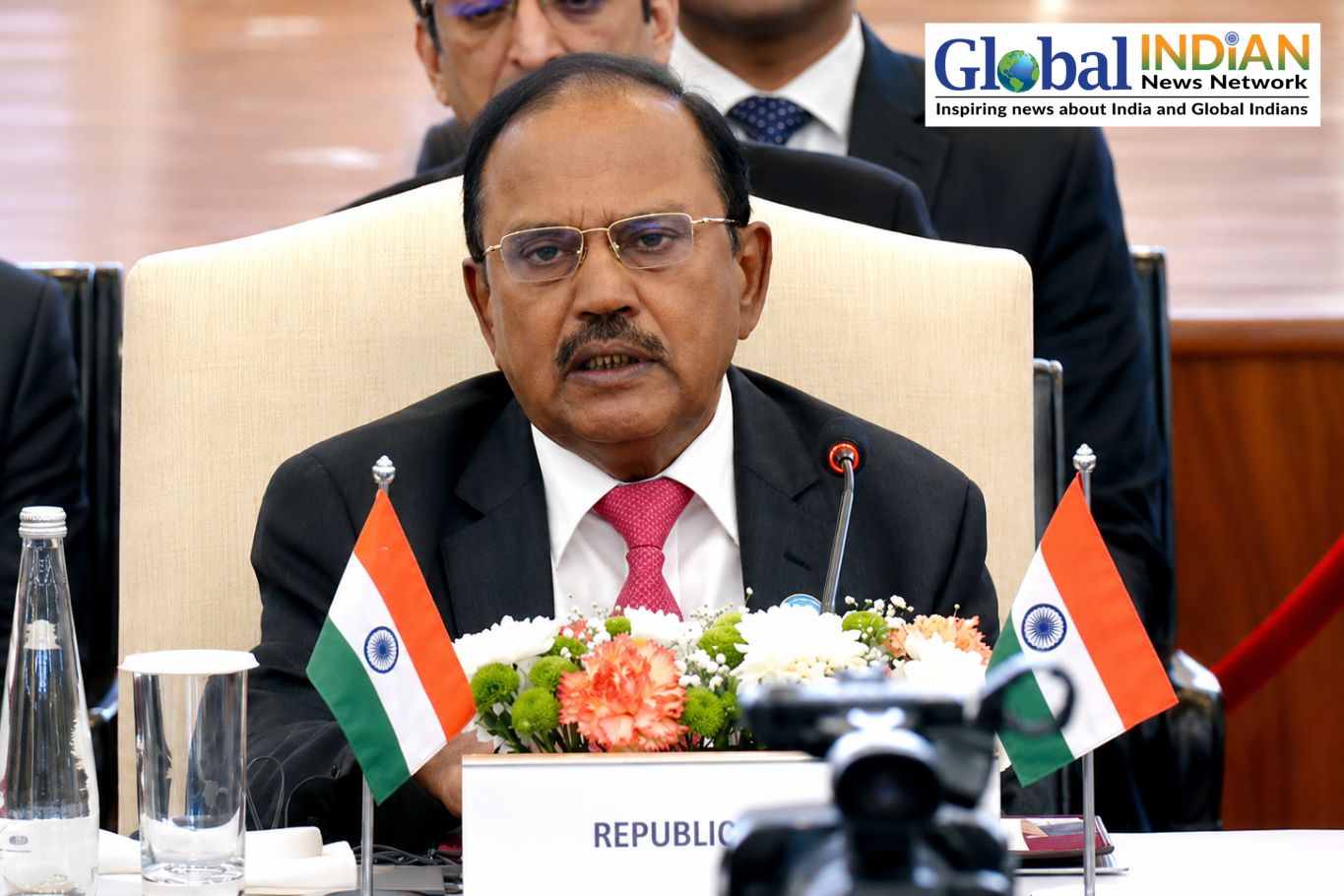
 India has expressed a measured but positive response to a recent memorandum of understanding between the United States and Iran, with National Security Advisor Ajit Doval stating that the development could contribute to greater regional stability and improved global economic conditions. His remarks came during the 16th BRICS National Security Advisors’ meeting held on Tuesday, June 23.
Doval said India views the agreement with cautious optimism, noting that any step toward reducing tensions in the region is a welcome move. He emphasized that stability in West Asia carries significant implications for global energy markets, international trade, and supply chain resilience.
According to him, improved coordination between the two countries could help strengthen energy security by ensuring more reliable supply flows. He added that easing geopolitical tensions may also help resolve disruptions in critical sectors, including fertilizers and industrial chemicals, which are often affected by instability in the region.
The NSA further underlined the importance of maintaining secure maritime routes, particularly for countries dependent on international shipping lanes. He said that enhanced freedom of navigation would contribute directly to economic growth and shared prosperity for nations across the region and beyond.
Reports indicate that US President Donald Trump and Iranian President Masoud Pezeshkian signed the memorandum remotely on June 17. The agreement reportedly establishes a framework for continued negotiations focused on Iran’s nuclear program and broader regional security concerns.
India had already welcomed the development through its Ministry of External Affairs, which reiterated that sustained diplomatic engagement remains the most effective path toward long-term peace and stability in West Asia. The ministry also highlighted the importance of ensuring uninterrupted maritime movement through critical chokepoints such as the Strait of Hormuz, which plays a vital role in global energy transportation.
New Delhi has consistently supported dialogue, de-escalation, and diplomacy as key tools for resolving international disputes. Officials maintain that cooperative engagement among nations is essential for maintaining stability, safeguarding trade routes, and promoting long-term global economic security.