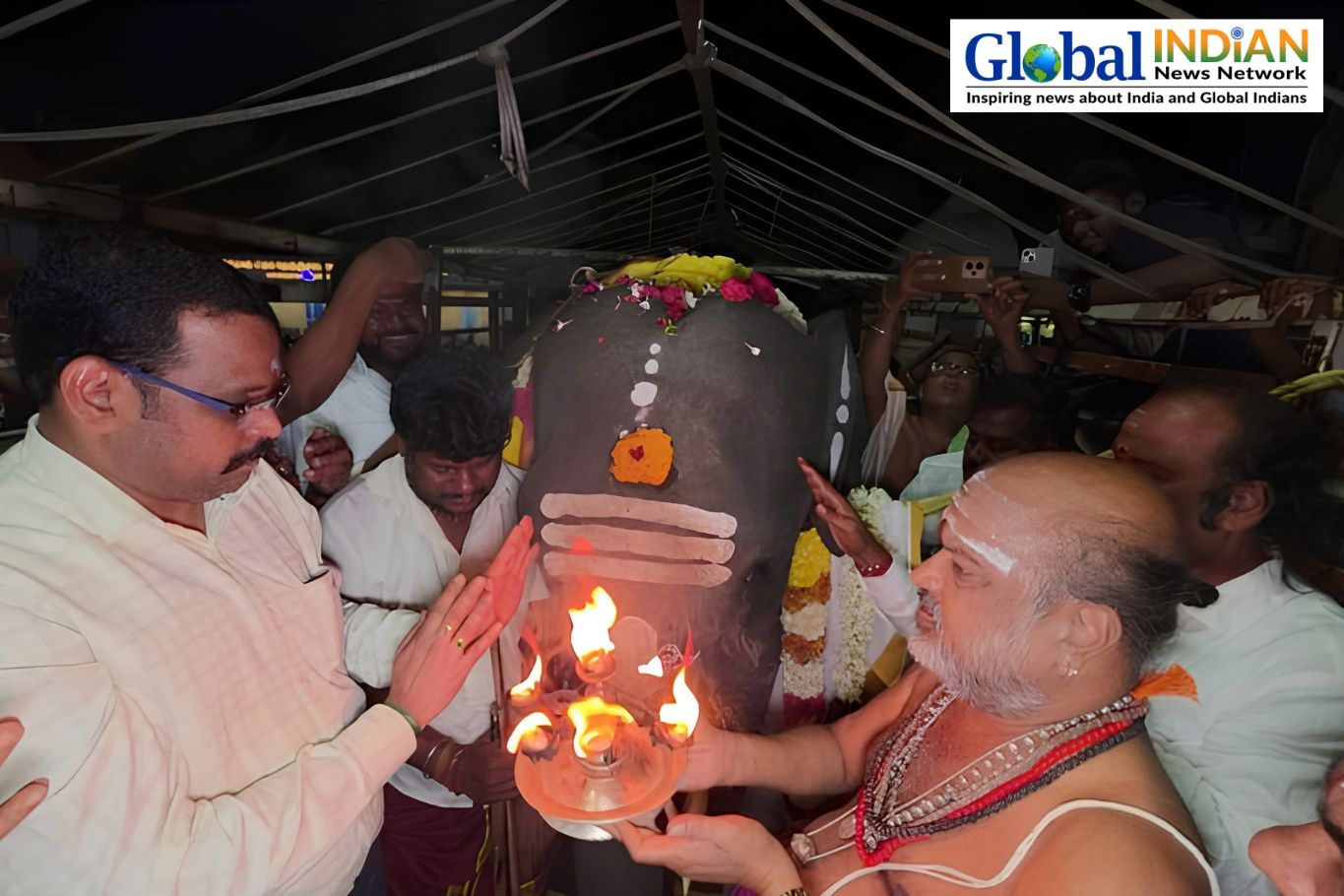
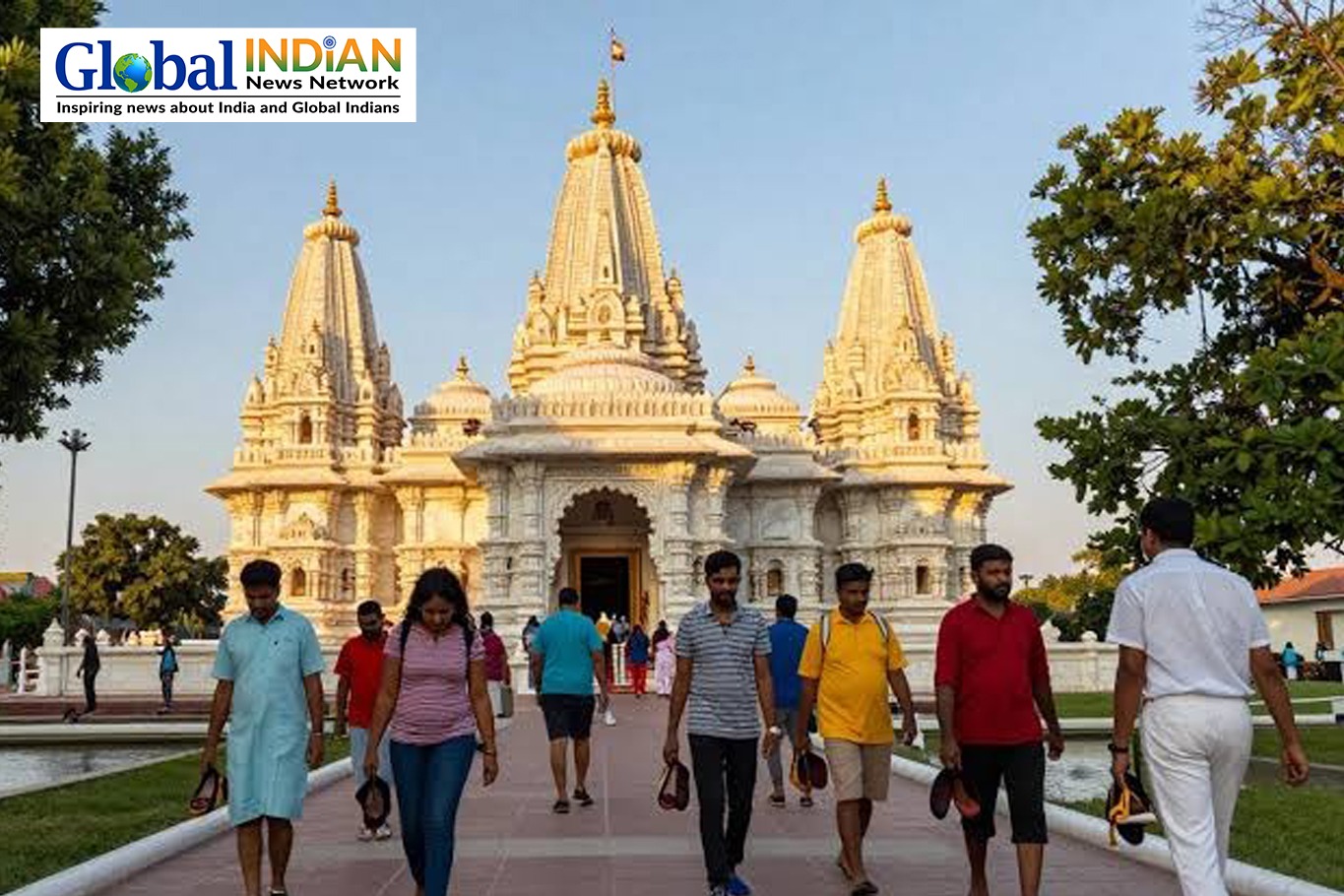
 The Hindu Temple Society of North America in Flushing, Queens, New York, continues to serve as a major center for Hindu worship, Indian culture, and community activities nearly five decades after it was established by Indian immigrants.
Officially known as Šri Mahã Vallabha Ganapati Devasthãnam, the temple is recognized as the second-oldest traditional Hindu temple founded by Indian immigrants in the United States. It opened on July 4, 1977, following years of fundraising and planning efforts by Indian families who had settled in the New York metropolitan region.
The temple was established during a period of increased Indian immigration to the United States after the Immigration and Nationality Act of 1965 removed the earlier national-origins quota system. Many Indian immigrants arrived through employment opportunities in sectors such as business, management, and science, and they sought to create institutions that would preserve their religious and cultural identity.
To build a place of worship, the community purchased the site of a former Russian Orthodox church in Flushing and transformed it into a traditional Hindu temple. The first traditional Hindu temple founded by Indian immigrants in the US, Sri Venkateswara Temple in Pennsylvania, was consecrated just weeks earlier in June 1977.
Today, the Flushing temple has more than 20,000 devotees on its mailing list and remains a destination for worshippers from across the country. Thousands of Hindu temples now exist throughout the United States, but the historic Queens temple continues to hold a special place among Indian Americans.
The temple offers more than religious services. Throughout the year, it hosts festivals, cultural events, and educational programs designed to connect younger generations with Hindu traditions and Indian heritage. Its Ganesha Pathashala, launched in 1998, provides lessons in Hindu teachings, Indian languages, classical music, and Bharatanatyam dance.
The temple’s vegetarian canteen, opened in 1993, has also become a popular attraction in New York City. Known for its South Indian vegetarian food, the dining area welcomes not only devotees but also local residents, students, and tourists who visit the temple for both spiritual and cultural experiences.
The temple’s continued popularity reflects the lasting influence of Indian immigrant communities in shaping America’s multicultural landscape while preserving their traditions for future generations.