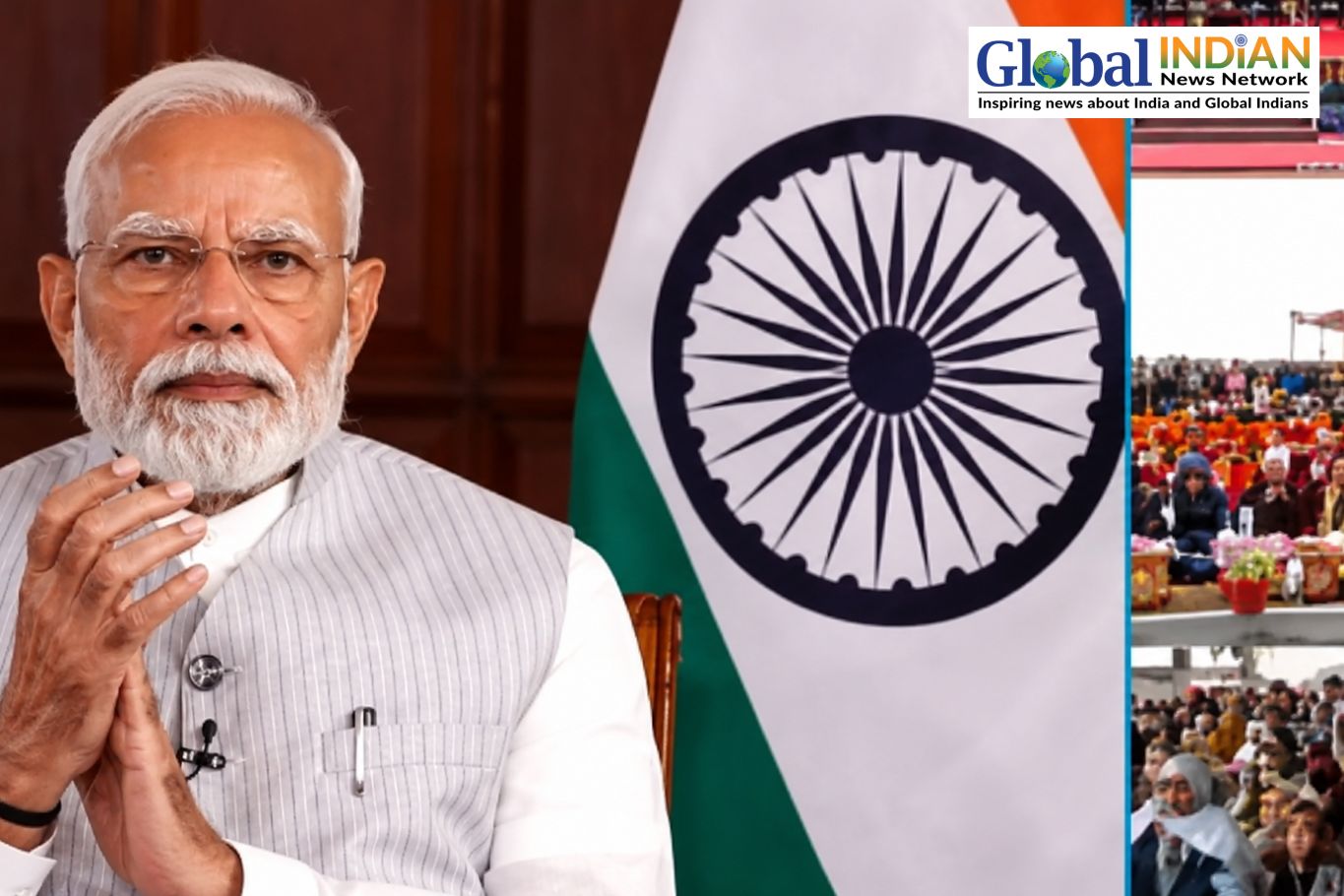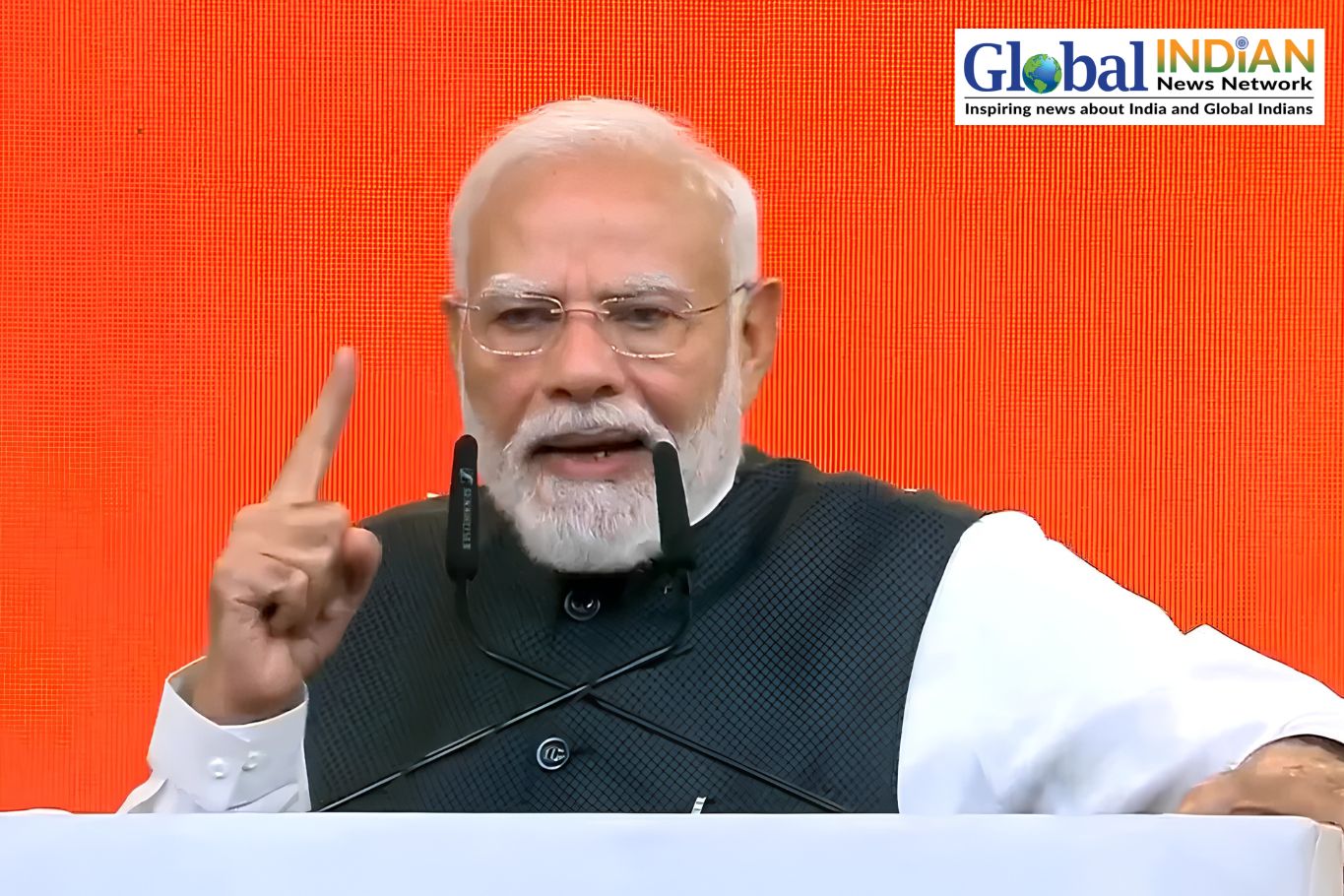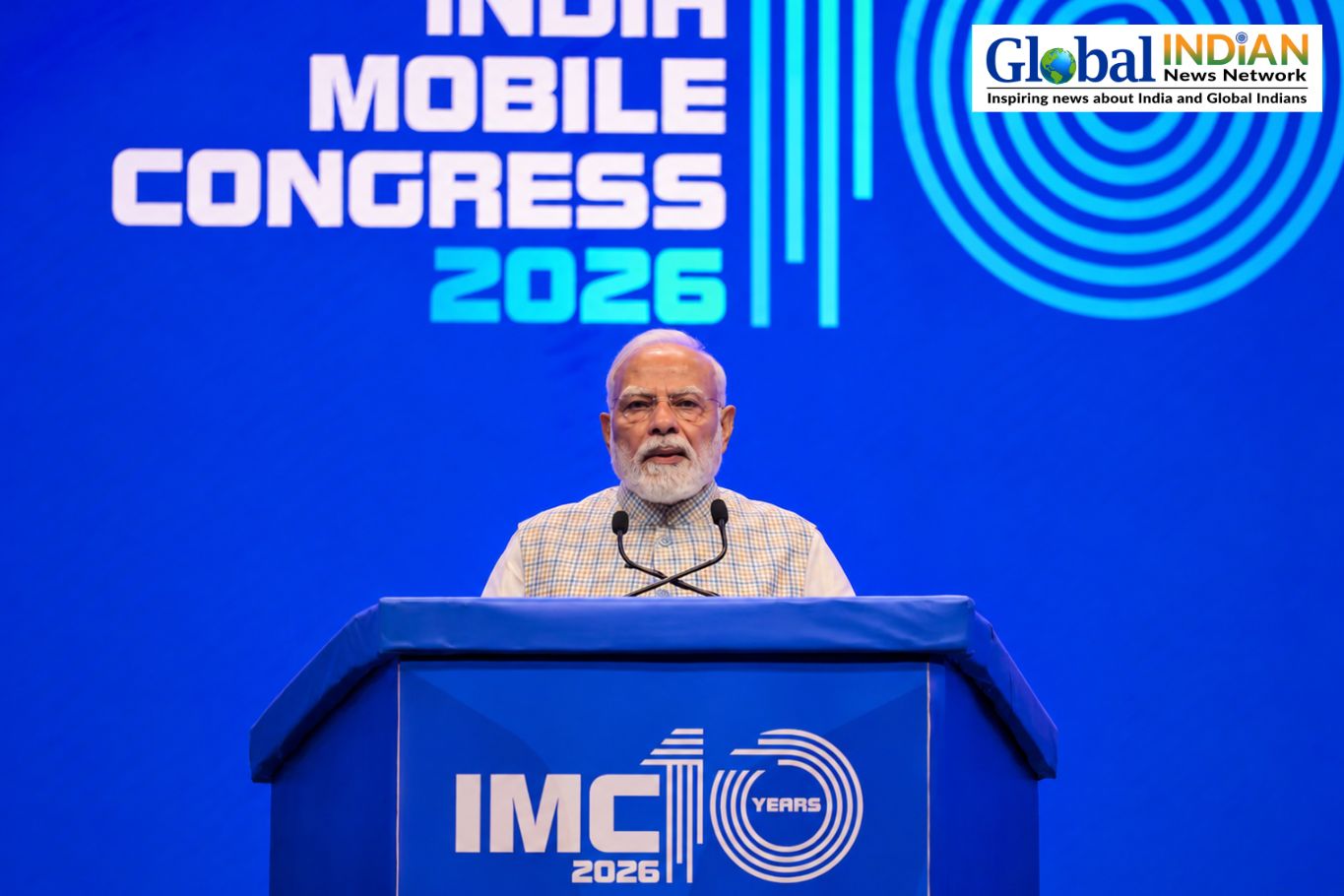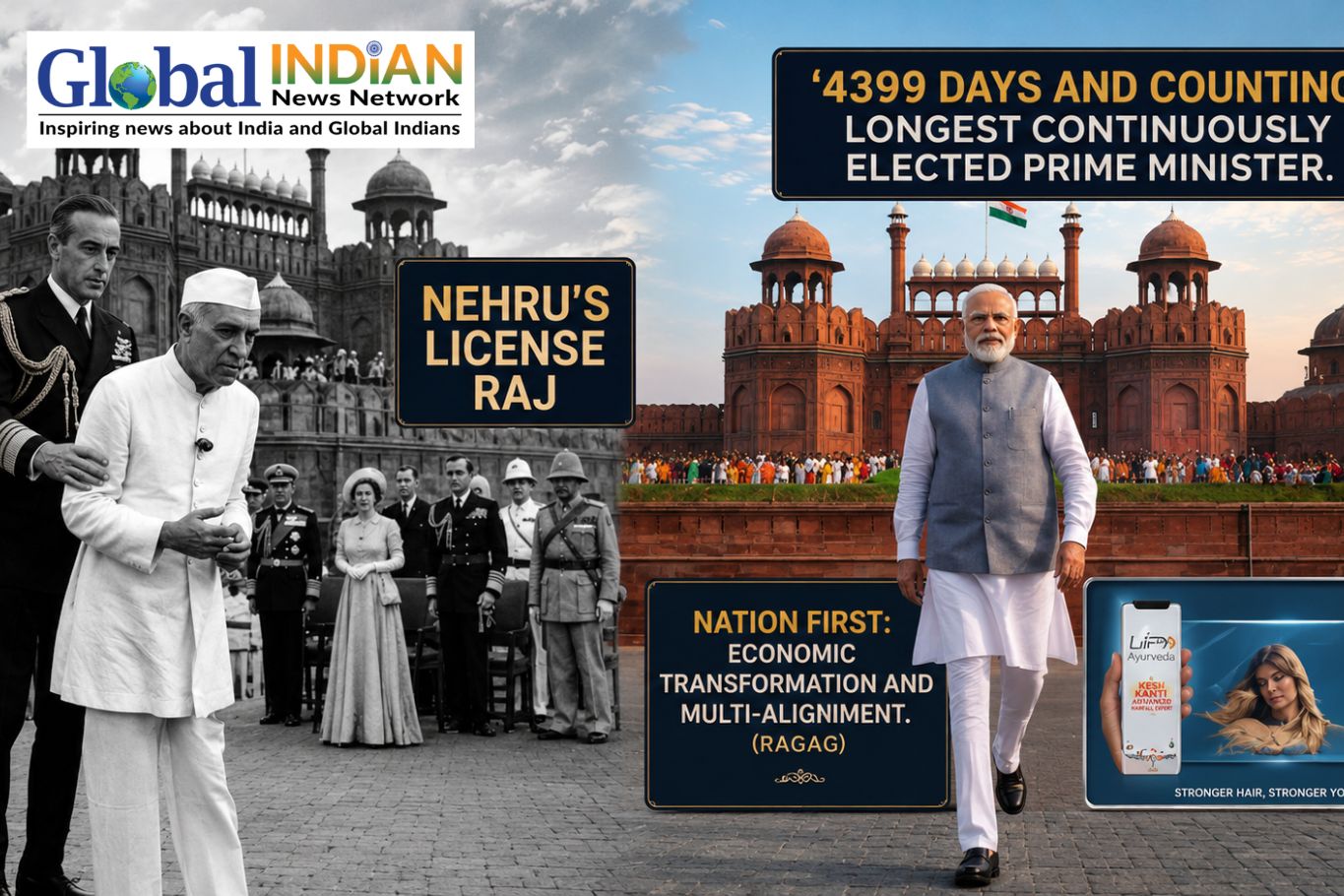
India’s democratic journey has reached a historic milestone. Prime Minister Narendra Modi has become the longest-serving continuously elected prime minister in India’s history, surpassing the record of 4,399 consecutive days previously held by the nation’s first prime minister, Jawaharlal Nehru.
This achievement is more than a measure of political longevity. It provides an opportunity to reflect on two vastly different visions that have shaped modern India. Jawaharlal Nehru and Narendra Modi represent contrasting approaches to governance, economic policy, national identity, and India’s place in the world.
Supporters of Prime Minister Modi argue that his leadership has enabled India to break free from decades of economic and strategic limitations inherited from the post-independence era. In contrast, critics of Nehru contend that many of his policies prolonged India’s dependence on colonial-era thinking even after political independence had been achieved.
The Nehru Era: Political Independence, Ideological Continuity
When India gained independence in 1947, the nation faced a pivotal moment. It possessed enormous potential, abundant human capital, and the opportunity to define its own destiny. Jawaharlal Nehru became the architect of that new nation.
However, many critics argue that although India became politically independent from Britain, Nehru’s worldview remained deeply influenced by his British education and upbringing. Educated at Harrow and Cambridge, Nehru spent significant years in England and was heavily influenced by Fabian socialist thought that was popular among British intellectual circles of the time.
Some historians and political commentators have further argued that Nehru maintained close personal and social relationships with members of the British establishment, including Lord and Lady Mountbatten. In their view, these relationships contributed to the continuation of certain colonial-era administrative and intellectual frameworks even after independence. Rather than creating a distinctly Indian economic and political model rooted in India’s civilizational traditions, critics believe Nehru largely adopted Western socialist ideas adapted to Indian conditions.
This thinking eventually produced what became known as the “License Raj”—a highly regulated economic system characterized by government controls, permits, quotas, and state monopolies. Private enterprise faced significant bureaucratic hurdles, and government planning frequently overshadowed innovation.
For decades, India’s economy expanded at an average rate of roughly 3.5 percent annually. This period became known as the “Hindu Rate of Growth,” a phrase many consider both inaccurate and unfair. India’s slow growth had little to do with Hindu culture and much more to do with the economic framework established by policymakers. A more appropriate description, critics argue, would be the “Nehruvian Era of Growth.”
While countries such as South Korea, Singapore, and Taiwan embraced industrialization, export-driven growth, and market-oriented reforms, India remained constrained by excessive state control and economic isolation.
Non-Alignment and Strategic Limitations
Nehru’s foreign policy was similarly shaped by idealistic principles. The Non-Aligned Movement sought to position India above Cold War rivalries and avoid alignment with either the United States or the Soviet Union.
While the policy earned international admiration, critics argue that it often left India strategically isolated. The limitations of this approach became painfully evident during the 1962 Sino-Indian War, when India suffered a humiliating defeat at the hands of China.
To many observers, Nehru’s foreign policy emphasized moral leadership over hard power, resulting in a nation that was respected diplomatically but lacked the economic and military strength needed to secure its interests.
The Modi Doctrine: Nation First and Economic Transformation
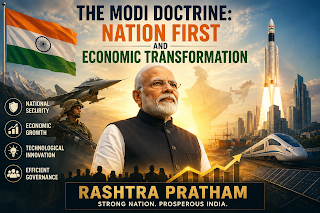
The rise of Narendra Modi marked a dramatic shift in India’s governing philosophy. Rejecting many of the assumptions that guided post-independence policymaking, Modi introduced a model centered on the principle of “Nation First” (Rashtra Pratham).
Under this approach, economic growth, national security, technological innovation, and efficient governance are viewed as essential foundations of national strength.
Over the past decade, India has undertaken reforms that supporters believe have fundamentally altered the country’s trajectory.
Digital Revolution
The JAM Trinity—Jan Dhan accounts, Aadhaar identification, and mobile connectivity—combined with the Unified Payments Interface (UPI), has created one of the world’s most sophisticated digital public infrastructures. Government benefits now reach hundreds of millions directly, reducing leakages and improving transparency.
Manufacturing and Infrastructure
Programs such as Make in India, Production Linked Incentive (PLI) schemes, and massive investments in roads, railways, airports, ports, and logistics have sought to position India as a major manufacturing hub and global supply-chain partner.
Poverty Reduction and Inclusion
Supporters point to substantial improvements in financial inclusion, housing, sanitation, electricity access, and welfare delivery. These efforts, combined with sustained economic growth, have contributed to lifting millions out of poverty and expanding opportunities across society.
Today, India consistently ranks among the world’s fastest-growing major economies.
From Non-Alignment to Multi-Alignment
The greatest contrast between Nehru and Modi lies in their foreign policy.
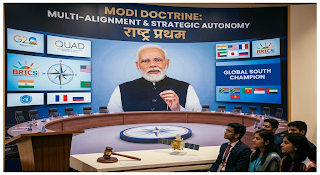
Where Nehru emphasized non-alignment, Modi has pursued what many analysts describe as “multi-alignment”—maintaining strong relationships with multiple global powers while preserving strategic autonomy.
India today engages simultaneously with the United States, Europe, Russia, Japan, the Middle East, and the nations of the Global South. It has become a significant player in organizations like the G20 and the Quad while still advocating for the interests of developing nations.
Rather than avoiding global power centers, India now seeks to influence them.
Supporters argue that India has evolved from being a spectator in global affairs to becoming a significant force shaping international discussions on trade, technology, security, climate policy, and development.
A Defining Contrast
Narendra Modi’s emergence as India’s longest-serving, continuously elected prime minister symbolizes more than personal political success. It highlights two competing visions of India’s future.
One vision, associated with Nehru, emphasized state-led development, socialist planning, and idealistic diplomacy. Critics argue that it kept India economically constrained and prevented the country from fully realizing its potential for decades.
The other vision, associated with Modi, emphasizes economic dynamism, national confidence, technological modernization, and strategic pragmatism. Supporters believe it has unlocked India’s latent strengths and accelerated its rise as a global power.
As India moves deeper into the twenty-first century, the debate between these two approaches remains central to understanding the nation’s past, present, and future. Whether viewed through the lens of economics, governance, or geopolitics, the contrast between the Nehruvian model and the Modi doctrine continues to shape the story of modern India.