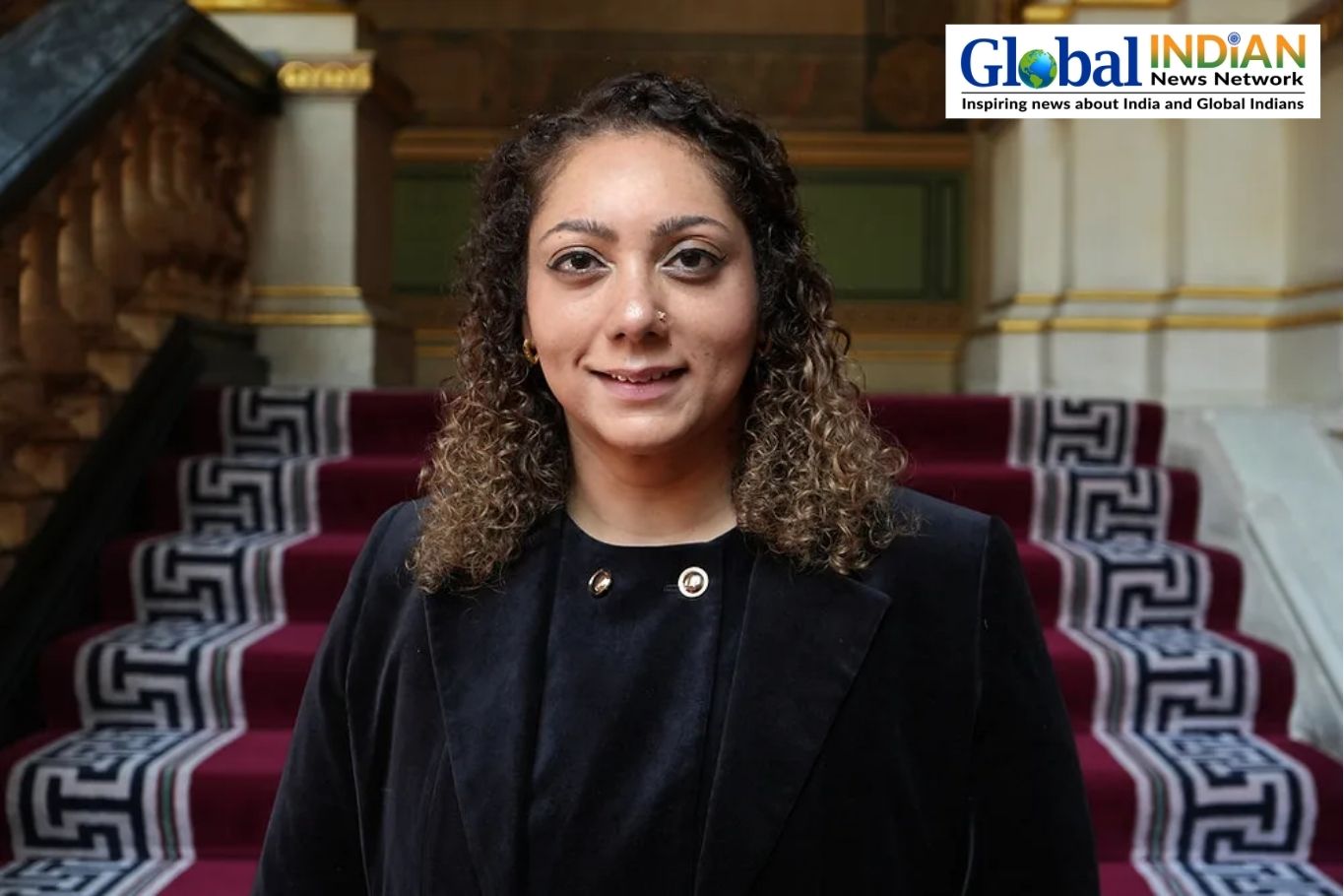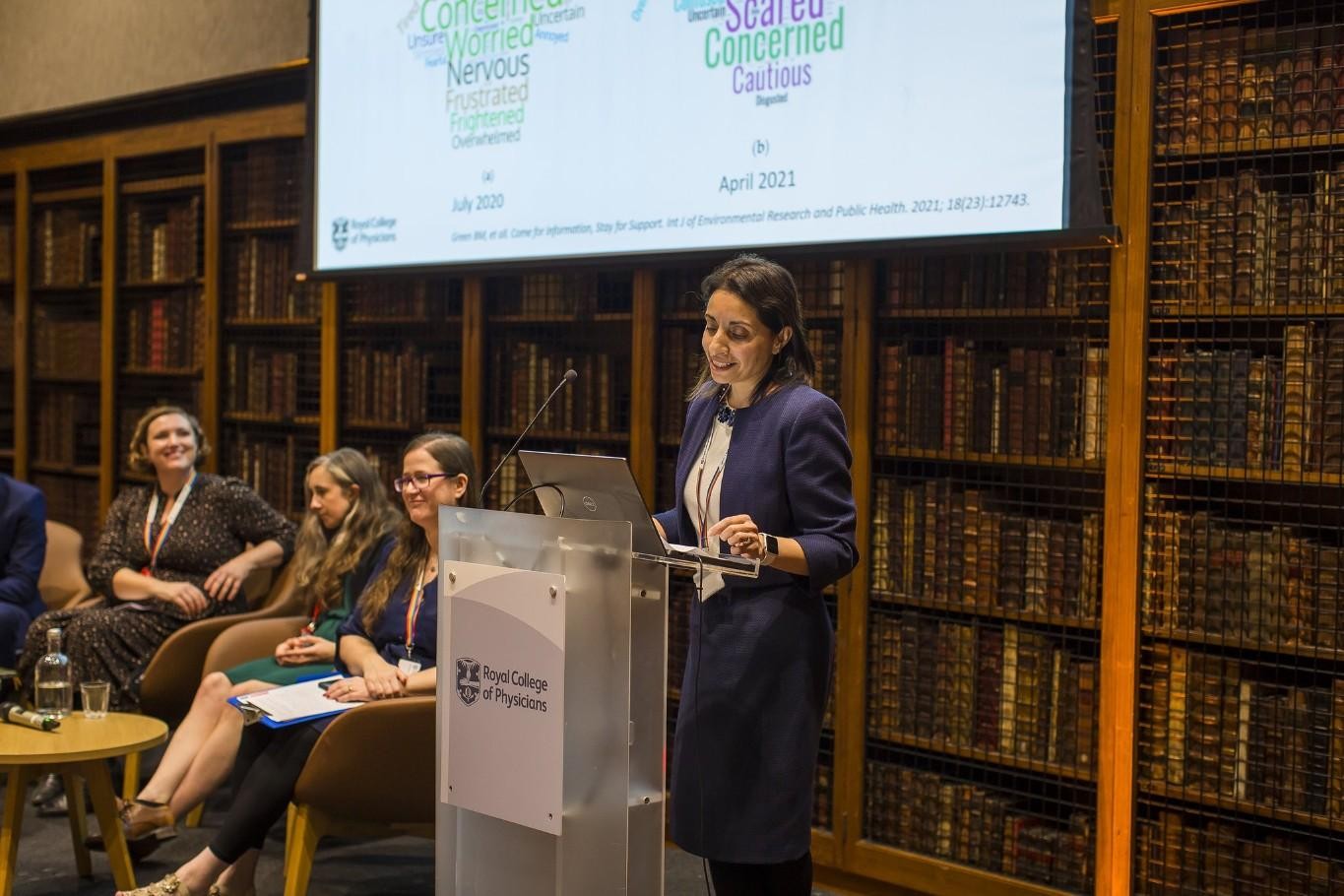
Dr Mumtaz Patel has been elected as the new president of the Royal College of Physicians (RCP), becoming the first Indo-Asian Muslim and only the fifth woman to lead the institution since its founding in the 16th century. Dr Patel, a Manchester-based nephrologist, was born in Lancashire to Indian immigrant parents and has been associated with the Royal College of Physicians (RCP) for more than two decades.
While her official term start date is pending, her four-year tenure follows the recent conclusion of the RCP presidential elections. She had already been serving as acting president since June 2024 and previously held roles as senior censor and vice-president for education and training.
In her new capacity, Dr Patel will chair the RCP Council and join the Board of Trustees. She expressed her commitment to leading the RCP with passion, integrity, and a values-driven approach—focusing on supporting its 40,000 members globally and enhancing patient care throughout every stage of a medical career.
Dr Diana Walford CBE, Chair of the RCP Board of Trustees, praised Patel’s leadership qualities and affirmed the board’s full support during what she called a “challenging period” for the college.
Throughout her career, Dr Patel has held various leadership roles in medical education, including training programme director and regional adviser. She currently serves as a postgraduate associate dean with NHS England in the north-west and is known for her work in training, research, assessment, and the development of leadership courses both in the UK and internationally.
As president, Dr Patel aims to modernise the RCP and re-establish it as a strong, representative voice for its members and for the medical profession at large. Her leadership has already been welcomed by the RCP Resident Doctor Committee, which looks forward to working with her to improve working conditions and career pathways for early-career physicians.
Professor Jugdeep Dhesi, President of the British Geriatrics Society, also welcomed her appointment but emphasized the importance of prioritising holistic, multidisciplinary care for an ageing population—highlighting the need for strong, decisive leadership in today’s evolving healthcare landscape.