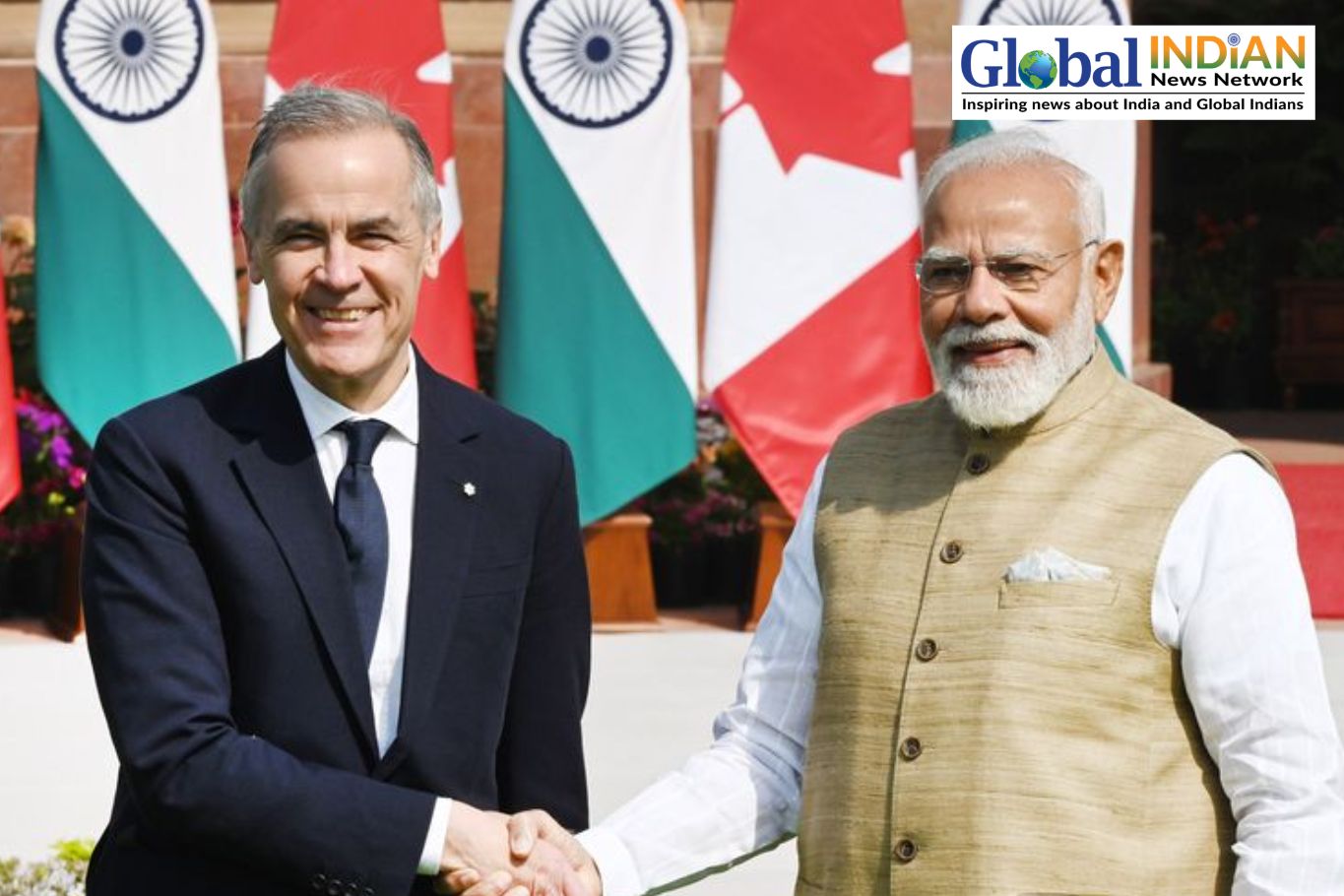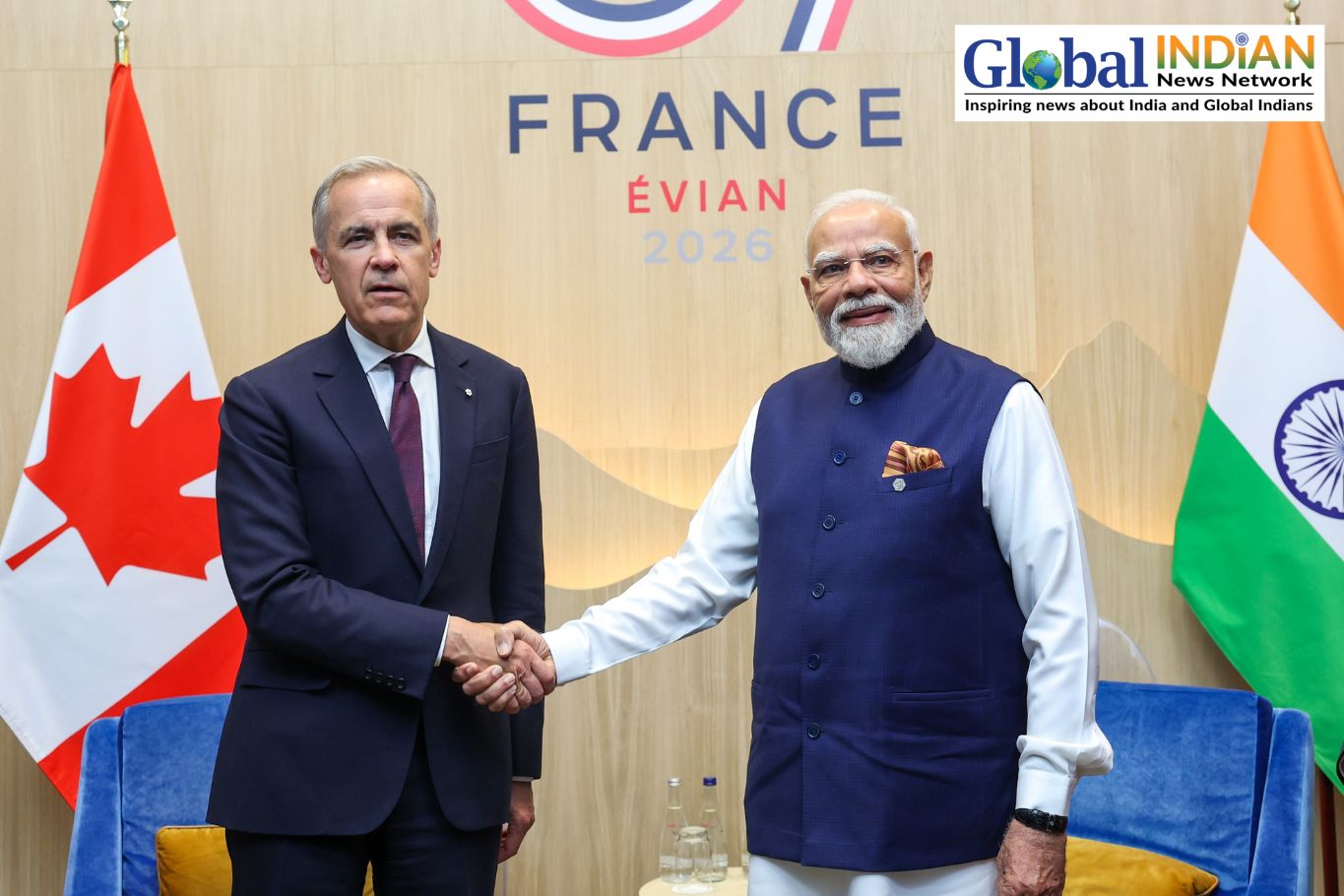
Relations between Canada and India are improving at a rapid pace, with negotiations on a Comprehensive Economic Partnership Agreement (CEPA) reportedly nearing completion. The proposed trade deal is expected to strengthen bilateral economic ties, expand market access and create new opportunities for businesses in both countries.
According to an article published by the Business Council of Canada, the progress in negotiations has raised expectations that the two countries could conclude the agreement during Prime Minister Narendra Modi’s anticipated visit to Canada in December. The agreement would mark a significant milestone in bilateral relations, although business leaders view it as the beginning of a broader economic partnership rather than an end goal.
The CEPA has featured prominently in discussions among Canadian and Indian business representatives seeking to deepen commercial engagement. Beyond improving trade flows, the agreement could provide a foundation for stronger cooperation across investment, supply chains and other strategic economic sectors.
Alongside the trade negotiations, Canada and India are also pursuing discussions on a Foreign Investment Promotion and Protection Agreement. Canadian businesses have expressed considerable interest in stronger investment safeguards, making a modern investment treaty a potential priority once the CEPA negotiations are concluded.
Effective implementation of the trade agreement will be equally important. Businesses in both countries will need clear guidance and support to take advantage of the opportunities created by improved market access and closer economic cooperation.
Mumbai, India’s financial capital, is expected to play a significant role in the next phase of Canada-India economic engagement. The city’s extensive infrastructure development and rapid urban transformation present potential opportunities for Canadian investors in areas such as construction, infrastructure, financial services and related industries.
The broader economic partnership also reflects a shared interest in diversifying trade relationships and strengthening supply chain resilience. India has been working to reduce vulnerabilities arising from disruptions to international trade and is seeking dependable economic partners. Canada, with its investment capacity and business expertise, could become an important partner in these efforts.
Closer cooperation could help both countries reduce exposure to economic uncertainty while supporting investment, industrial development and long-term commercial growth. The relationship therefore extends beyond tariff reductions and market access to include economic security, diversification and the development of reliable international partnerships.
For Canada, the priorities include concluding the CEPA negotiations, advancing a modern investment protection agreement and ensuring that businesses can effectively benefit from the resulting opportunities. Greater engagement with fast-growing Indian states, particularly Maharashtra, could also help Canadian companies establish a stronger presence in one of the world’s major growth markets.
However, competition for investment and commercial opportunities in India remains intense, with businesses and governments from several countries seeking to strengthen their position in the market. Converting improving diplomatic relations into tangible economic outcomes will require sustained engagement, policy coordination and effective implementation.
As Canada and India work towards a stronger economic partnership, the proposed CEPA could provide an important platform for expanding trade, encouraging investment and building a more resilient bilateral relationship. The next phase will depend on both countries translating the current momentum into practical agreements and long-term business opportunities.