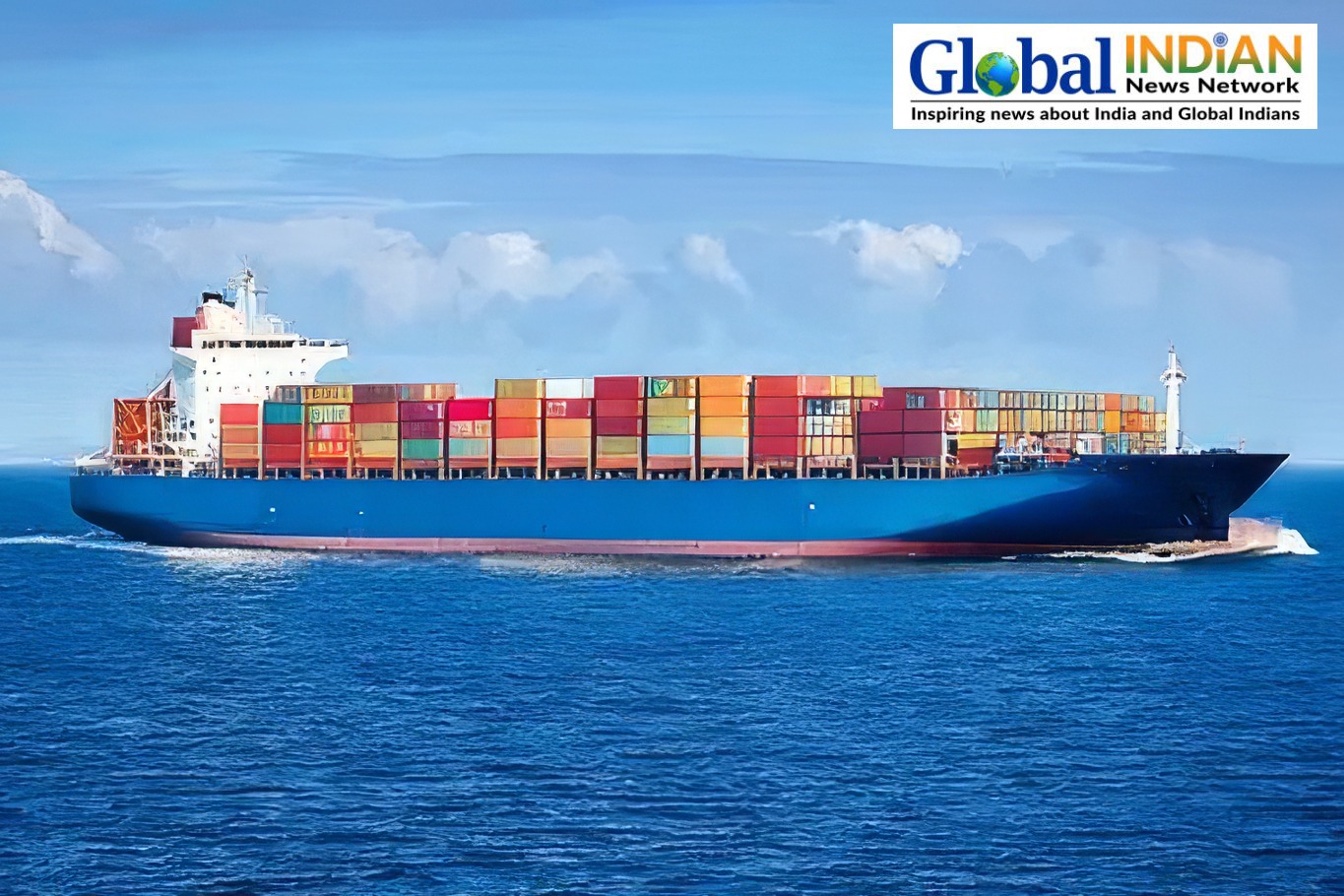
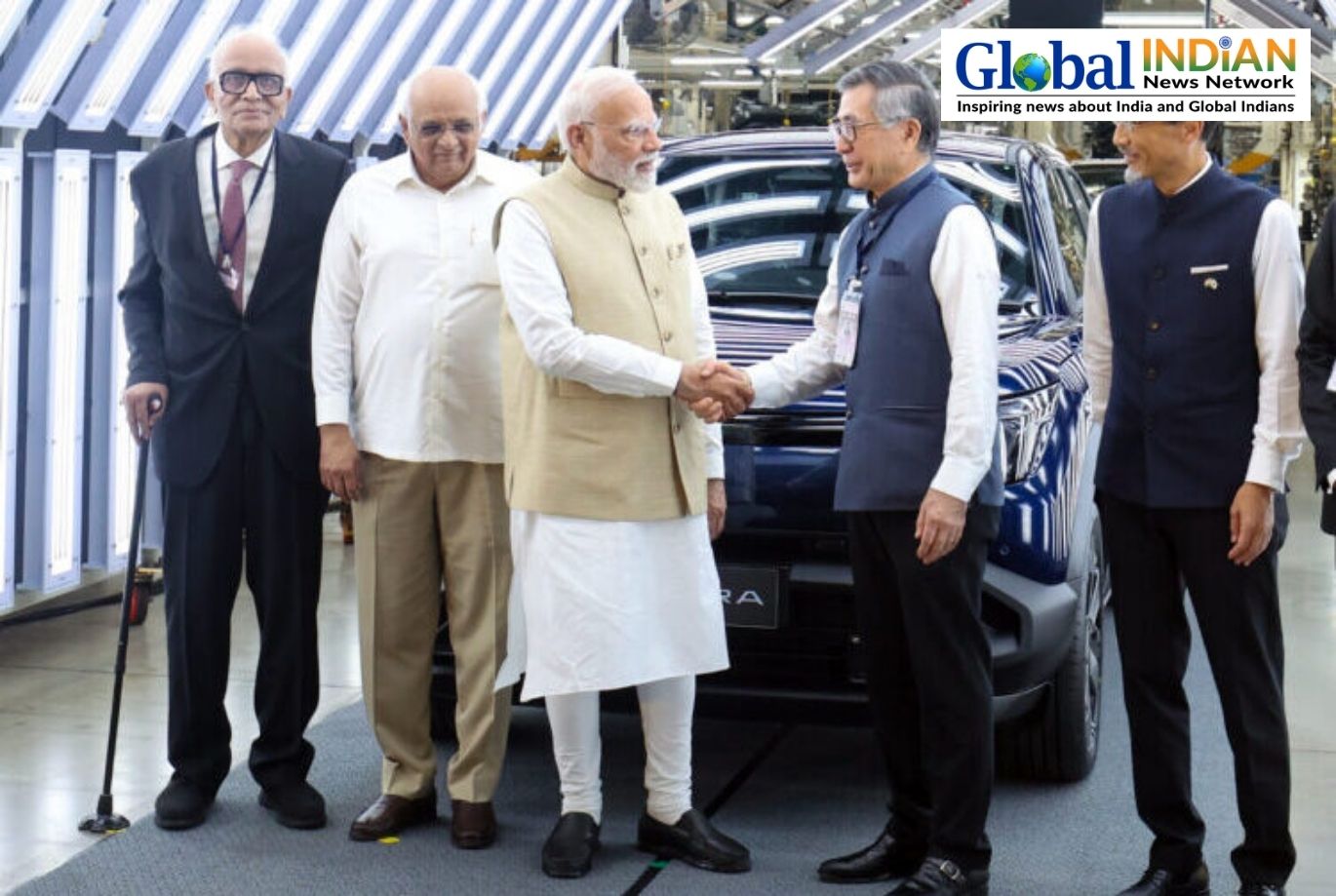
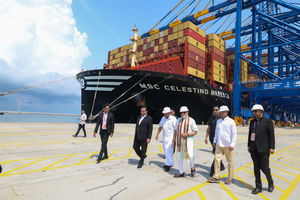
 In a major stride toward enhancing India’s maritime strength and economic self-reliance, Prime Minister Narendra Modi officially inaugurated the Vizhinjam International Deepwater Multipurpose Seaport in Kerala on Friday. Developed at a cost of approximately $1.07 billion, the port is set to become a key hub for global cargo movement and a pivotal player in the country’s trade infrastructure.
Kerala Chief Minister Pinarayi Vijayan and other dignitaries joined the Prime Minister during the high-profile launch. Highlighting the project’s significance, PM Modi referred to the seaport as a “milestone for India’s maritime capability” and emphasized the transformative impact it will have on regional and national development.
“This port unlocks vast avenues for growth,” said PM Modi. “With its state-of-the-art transshipment capacity expected to triple soon, it will welcome large cargo vessels, meeting a long-standing logistical requirement.”
He noted that nearly 75% of India’s transshipment operations currently rely on foreign ports—a dependence that has led to massive revenue outflows. “This is changing now. The funds that once left India will now be invested in our own growth, benefiting local communities and boosting job creation,” he stated.
Reflecting on India’s rich maritime heritage, the Prime Minister recalled the nation’s economic prosperity during the pre-Independence era. “India was once a major global economic power, largely due to its flourishing port cities and maritime prowess—with Kerala playing a pivotal part in that era,” he stated.
PM Modi stressed that a thriving port economy hinges on two critical factors—infrastructure development and the simplification of trade practices. “For the past 10 years, we’ve aligned our maritime policies with this very principle. We’ve not only modernized ports but also encouraged ease of doing business across the board,” he added.
The Vizhinjam seaport marks India’s first dedicated container transshipment facility, aimed at drastically reducing reliance on foreign terminals. By enhancing logistics efficiency and reinforcing India’s standing in global trade networks, the port is expected to become a cornerstone of India’s long-term economic ambitions.