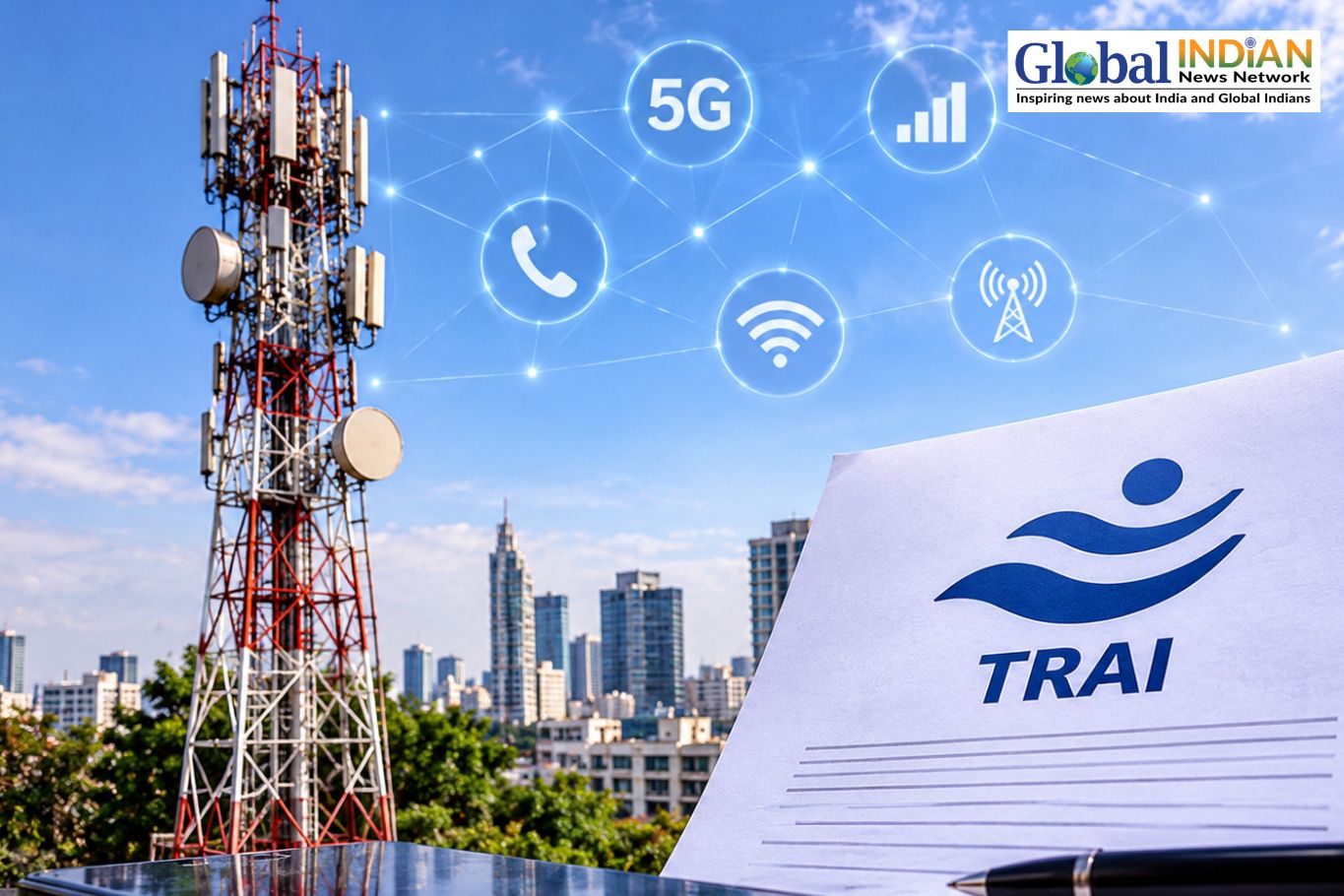
The Telecom Regulatory Authority of India (TRAI) has introduced the Telecommunication Interconnection (Third Amendment) Regulations, 2026, aimed at improving network connectivity, enhancing service reliability and modernising India’s telecommunications infrastructure. The new regulations will come into effect on January 1, 2027.
The amendment introduces changes to the technical and commercial arrangements through which telecom networks connect and exchange traffic, enabling seamless communication between subscribers of different service providers.
One of the key provisions allows telecom operators to mutually decide locations for handing over network traffic. It also facilitates the transition from Long Distance Charging Area (LDCA) and Short Distance Charging Area (SDCA)-level interconnection to Licensed Service Area (LSA)-level connectivity, helping reduce network latency and improve reliability.
Existing traffic at LDCA and SDCA-level Points of Interconnection (POIs) will be migrated to LSA-level POIs in a phased manner over three years.
The regulations also mandate IP-based interconnection for all new connections. Existing E1/TDM-based interconnection points will gradually transition to IP-based systems within three years, improving bandwidth efficiency and call quality.
Other important changes include a specific framework for the voluntary surrender of Points of Interconnection and an extension of the validity and reassessment period of bank guarantees from six months to 12 months.
TRAI has also capped interest on delayed interconnection payments at the State Bank of India’s one-year Marginal Cost of Funds-based Lending Rate (MCLR) plus 2%. Additionally, a graded financial disincentive framework has been introduced for regulatory violations.
The amendment follows an extensive consultation process involving a Pre-Consultation Paper in April 2025, a Consultation Paper in November 2025 and an Open House Discussion in January 2026.
With these changes, TRAI aims to modernise telecom interconnection arrangements, improve operational efficiency and strengthen the overall quality and reliability of telecommunications services across India.