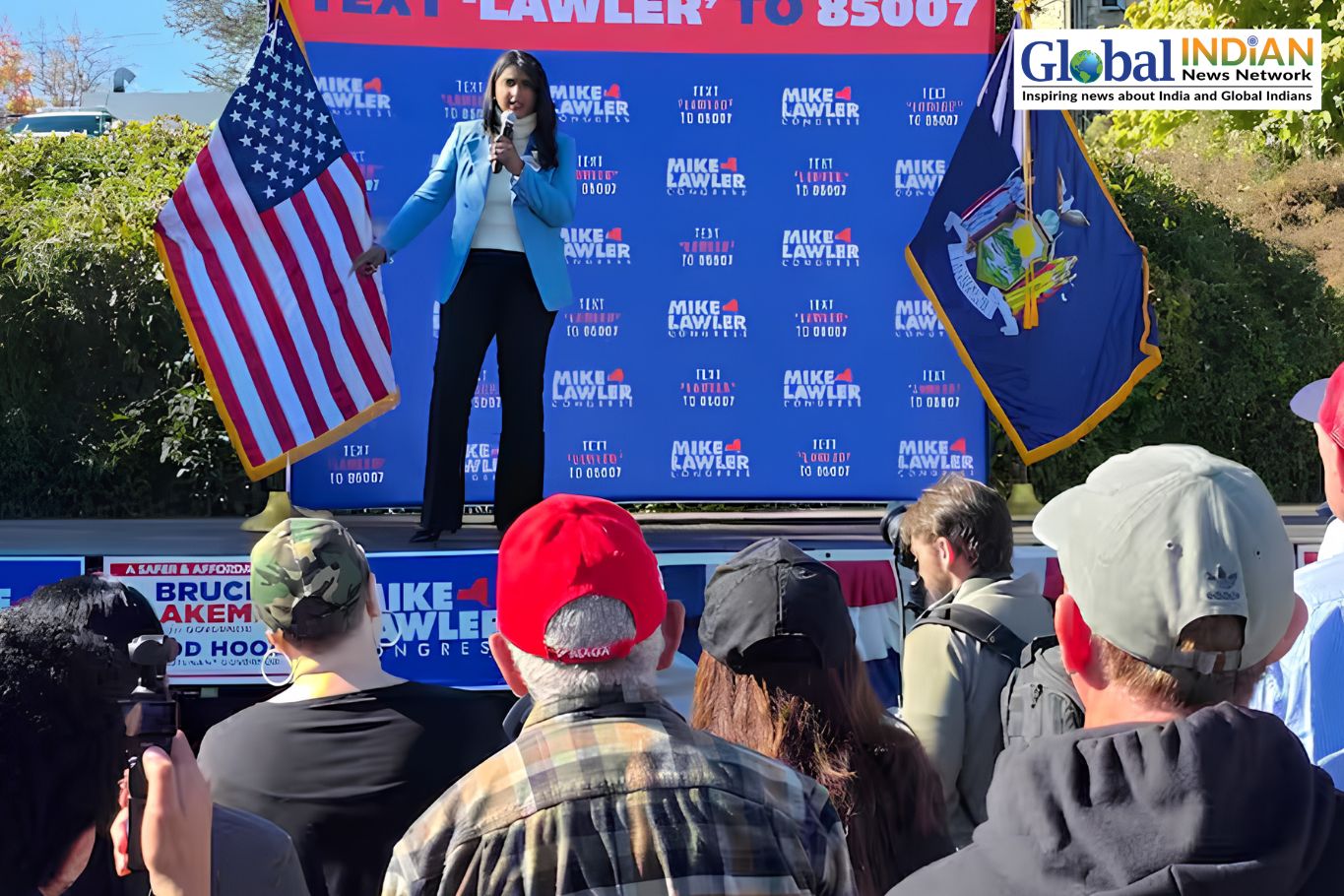
Indian-American Republican candidate Saritha Komatireddy has conceded defeat in the New York Attorney General race following the 2026 US midterm elections, bringing her campaign against Democratic incumbent Letitia James to an end.
Komatireddy, who received an endorsement from President Donald Trump, thanked the thousands of volunteers, supporters and New Yorkers who backed her campaign, while expressing pride in the political platform and vision she presented during the election.
In a statement posted on social media platform X, she said she was deeply grateful to those who believed in her campaign and its vision for a safer and stronger New York.
Emphasising the importance of public service, Komatireddy said politics should focus on bringing people together rather than encouraging division and hostility. She added that holding public office should be about serving people rather than pursuing celebrity status or personal benefits.
“Public service means serving people, not celebrity or personal gain,” she said, adding that her future efforts would remain focused on serving others and making New York safer.
Komatireddy had emerged as a prominent Republican challenger to James during the election campaign. Her candidacy also attracted attention because of Trump’s endorsement and her Indian-American background.
The New York Attorney General contest was among several closely watched political races involving Indian-American candidates during the midterm elections. Her defeat comes amid a broader electoral setback for Republicans, as Democrats made significant gains across the country.
The 2026 midterm elections saw Democrats secure projected control of both the House of Representatives and the Senate, marking a major shift in the balance of power in Washington. The results also reflected changing electoral dynamics in several traditionally Republican strongholds.
Komatireddy was among multiple Indian-American candidates seeking elected office in the United States, highlighting the growing participation of the community in American political life.
Despite the outcome, her remarks signalled an intention to remain engaged in public service, with a continued focus on community welfare, public safety and the future of New York.
Her concession adds another chapter to the evolving political participation of Indian-Americans in the United States, as candidates from the community increasingly contest elections at local, state and national levels.