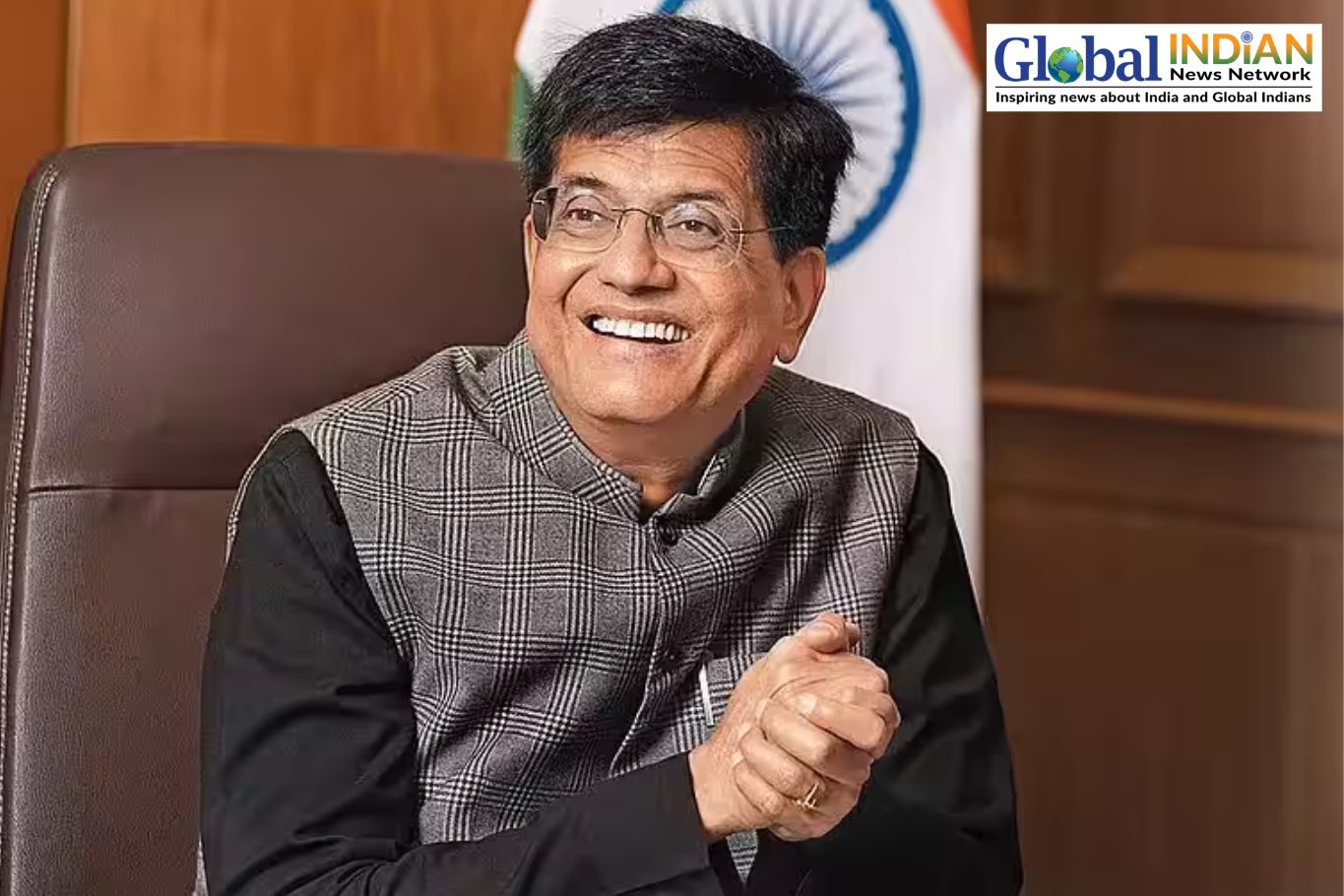
India will not compromise the interests of farmers or other stakeholders in its proposed trade agreement with the United States, Commerce and Industry Minister Piyush Goyal has said, as concerns grow among agricultural groups over the potential impact of increased American imports.
Speaking at an event in New Delhi, Goyal expressed confidence that the agreement would benefit India and said its final terms would protect sensitive domestic interests. His remarks come as the two countries work to finalize the first phase of a broader trade agreement.
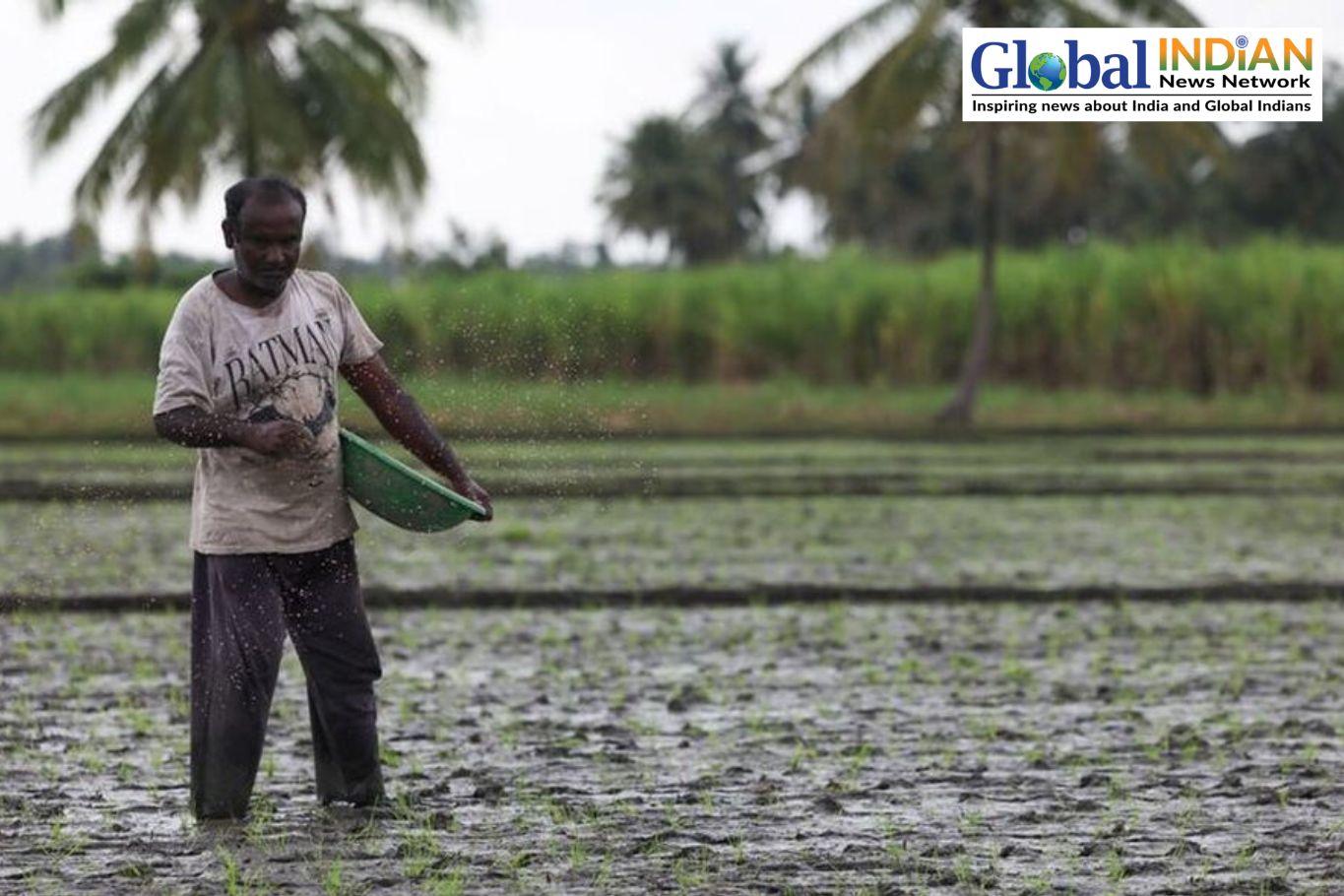
The proposed deal has faced criticism from Indian farm organizations, which fear that greater access for American agricultural products could put domestic farmers under pressure. Concerns include the potential impact of imported goods on local prices and rural incomes.
Earlier this month, the Samyukt Kisan Morcha (SKM), a coalition of more than 100 farm groups, criticized the proposed agreement and called for the government to reconsider its approach. The coalition raised concerns about tariff reductions on agricultural products, including maize, almonds, walnuts, apples and soybean oil.
Farm organizations have repeatedly urged the government to disclose more details of the negotiations. They argue that imports of subsidized American agricultural products could make it harder for Indian farmers to compete and could put downward pressure on domestic crop prices.
The SKM has also announced plans for further demonstrations in November to protest against the proposed agreement and demand its withdrawal.
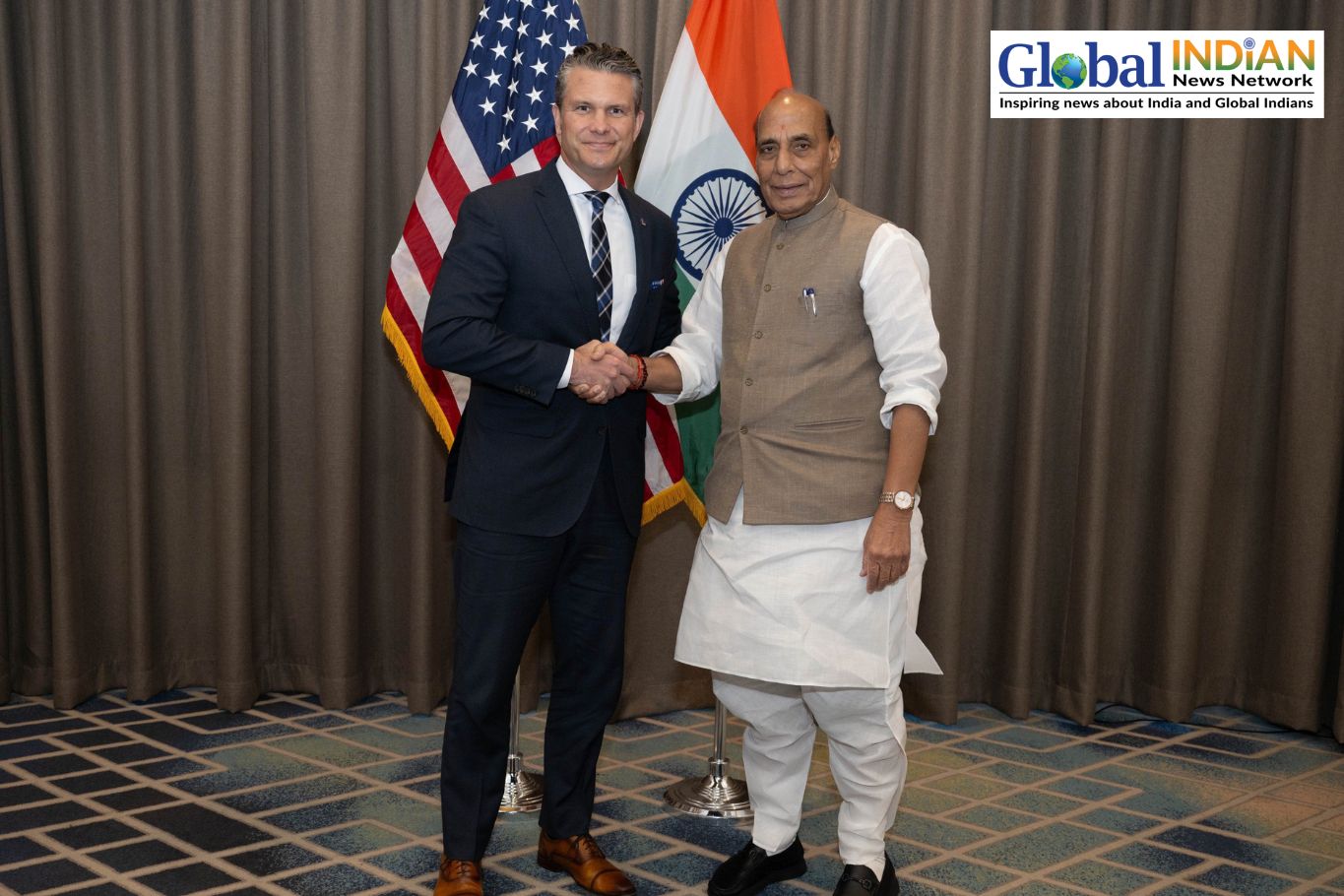
India and the United States unveiled a framework for the trade agreement in February. The framework was intended to advance bilateral trade discussions and included changes to tariffs imposed by US President Donald Trump on most Indian goods. However, the agreement has yet to be formally finalized.
The agricultural sector remains a sensitive area in the negotiations because of its importance to rural livelihoods and India’s domestic food economy. Any changes to import duties or market access could have implications for farmers, consumers and agricultural businesses.
Goyal has maintained that the government will safeguard farmers’ interests while pursuing the agreement. The final assessment of its potential impact will depend on the detailed terms, including the products covered and the extent of any tariff concessions.
As negotiations continue, the government faces the challenge of advancing trade ties with Washington while addressing concerns from farming communities. The agreement’s final provisions and the government’s response to demands for greater transparency are likely to remain central to the debate over India-US economic relations.