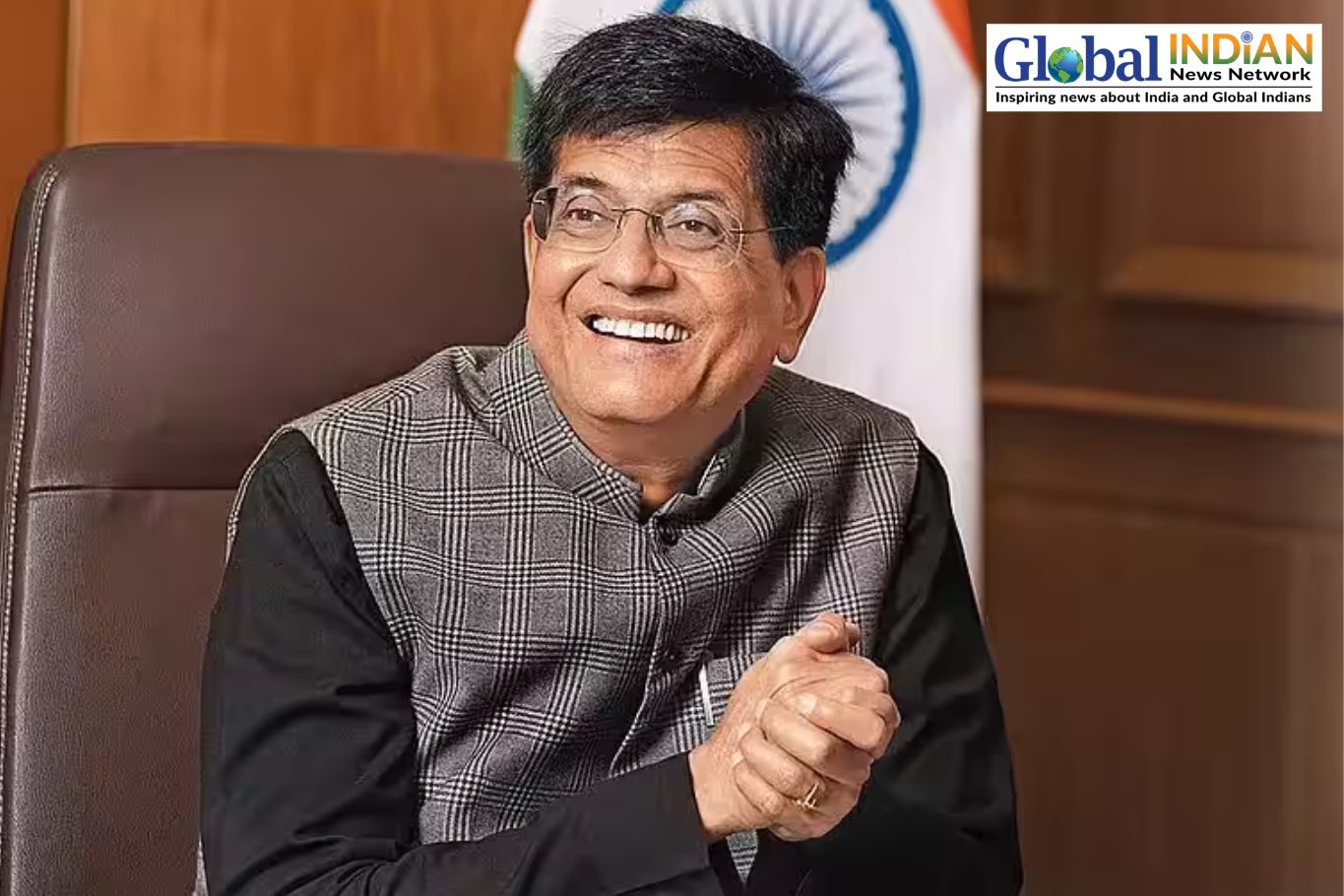
Union Commerce and Industry Minister Piyush Goyal has expressed confidence that India will gain a strong comparative advantage once the proposed trade agreement with the United States is finalised, asserting that the deal will safeguard the interests of Indian farmers and other stakeholders.
Speaking at the 4th ISID-IDRA National Conference on India’s Industrial Transformation in New Delhi, Goyal said the agreement would strengthen India’s position in international trade. He maintained that no sensitive domestic interests would be compromised under the proposed arrangement.
Goyal’s remarks come as India and the United States continue negotiations to conclude the trade agreement. The two countries are working towards finalising the pact, which is expected to shape bilateral economic relations and influence market access for businesses in both countries.
Addressing criticism surrounding the negotiations, Goyal said he had not encountered substantive flaws in the eight free trade agreements India had concluded whose details had been made public. He described the proposed US agreement as the ninth in the series and argued that some criticism had emerged despite the full details of the deal not yet being available.
The minister expressed confidence that the agreement’s provisions would be welcomed once they were disclosed. He reiterated that the interests of farmers and other stakeholders would remain protected.
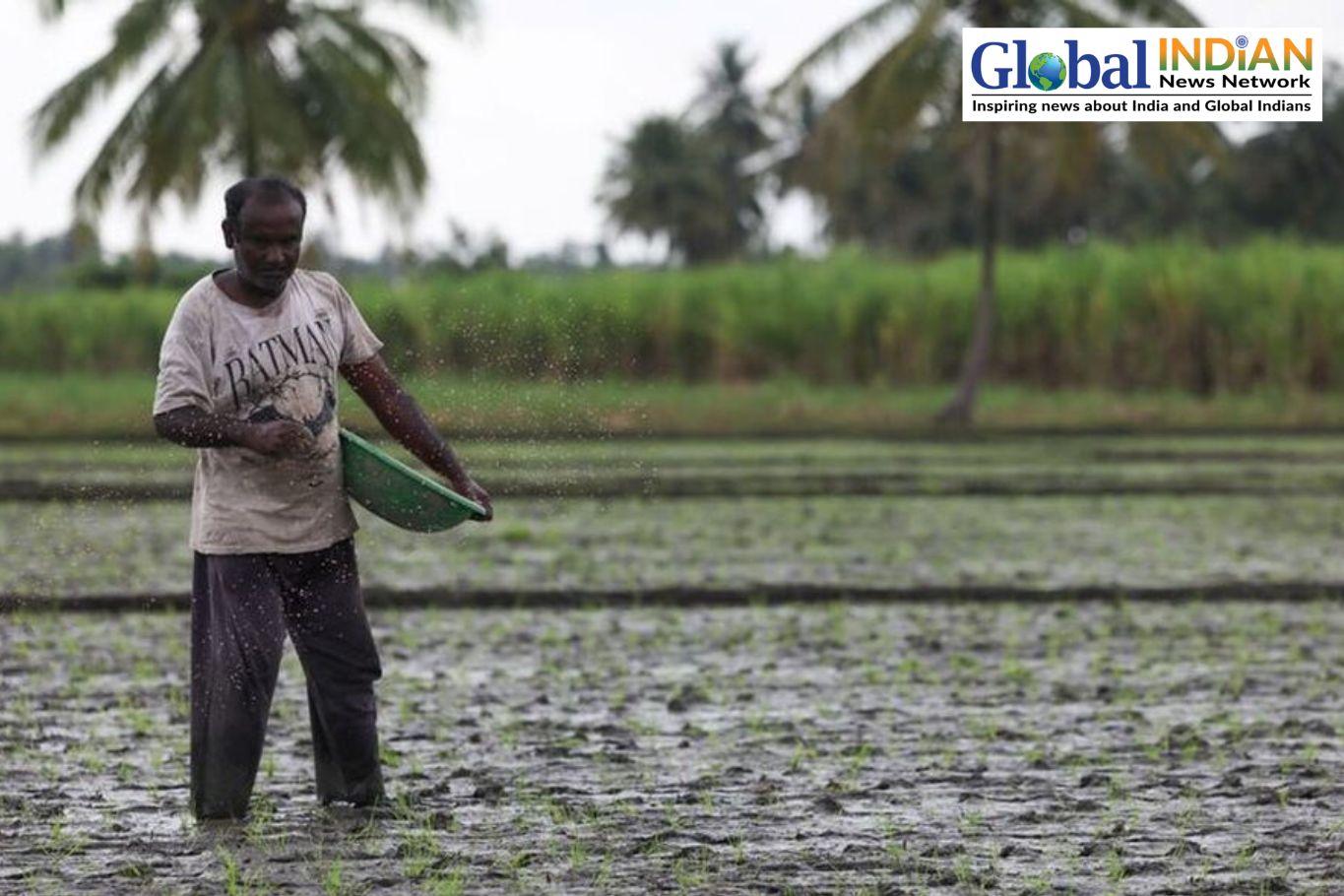
Agriculture has emerged as a key area of concern in the negotiations, with farming organisations seeking assurances that increased access for American agricultural products would not undermine domestic producers. Farmers’ groups have raised questions about the potential effects of imports on local prices, agricultural incomes and rural livelihoods.
Goyal rejected concerns that the agreement would compromise sensitive interests, maintaining that India would benefit from the opportunities created by the proposed trade arrangement.
The concept of comparative advantage refers to the ability of a country to produce particular goods or services at a relatively lower opportunity cost than its trading partners. In international trade, this can allow economies to specialise in areas where they are comparatively more efficient and benefit from exchanges with other markets.
The actual impact of the proposed agreement will depend on its final terms, including tariff concessions, market access provisions and safeguards for sensitive sectors. The details will be important in determining how different industries, agricultural producers and consumers are affected.
As negotiations progress, the government faces the task of expanding trade opportunities with the United States while addressing domestic concerns over competition and market access. Goyal’s latest comments underline the government’s stated confidence that the agreement can strengthen India’s international trade position without compromising the interests of farmers and other stakeholders.