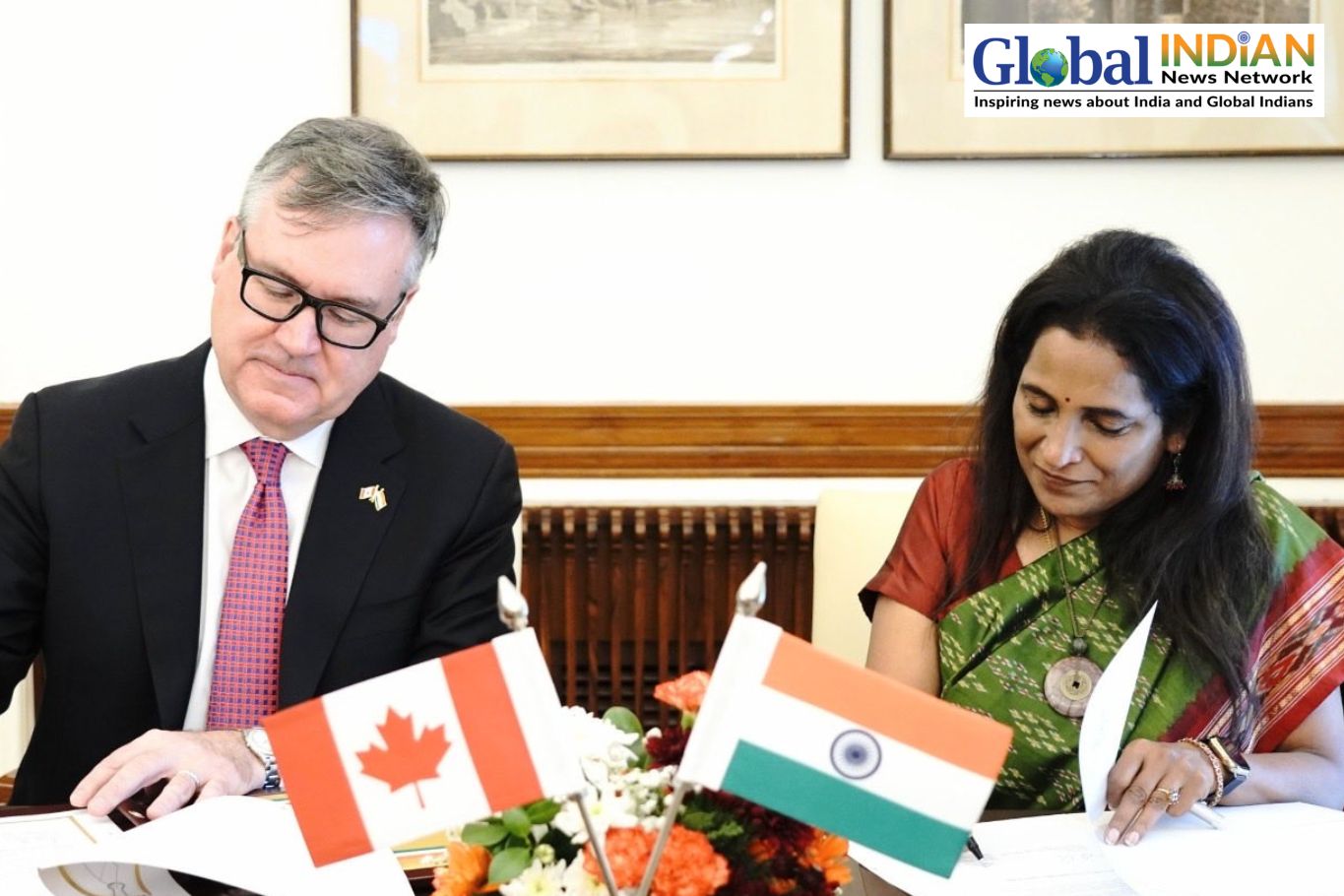
India and Canada have launched their first Migration and Mobility Dialogue in New Delhi, opening a new channel for cooperation on migration management and people-to-people exchanges as the two countries seek to strengthen bilateral relations.
The inaugural meeting was held on October 26, 2026, with officials discussing ways to develop mobility pathways and improve coordination on migration-related matters. India’s Ministry of External Affairs described mobility and migration management as areas with the potential to contribute significantly to future bilateral growth.
The dialogue was co-chaired by Sripriya Ranganathan, Secretary for Consular, Passport, Visa and Overseas Indian Affairs at the Ministry of External Affairs, and Ted Gallivan, Deputy Minister of Immigration, Refugees and Citizenship Canada.
The meeting comes amid renewed high-level engagement between New Delhi and Ottawa, with both countries exploring opportunities to expand cooperation across trade, investment, education, technology, energy and security.
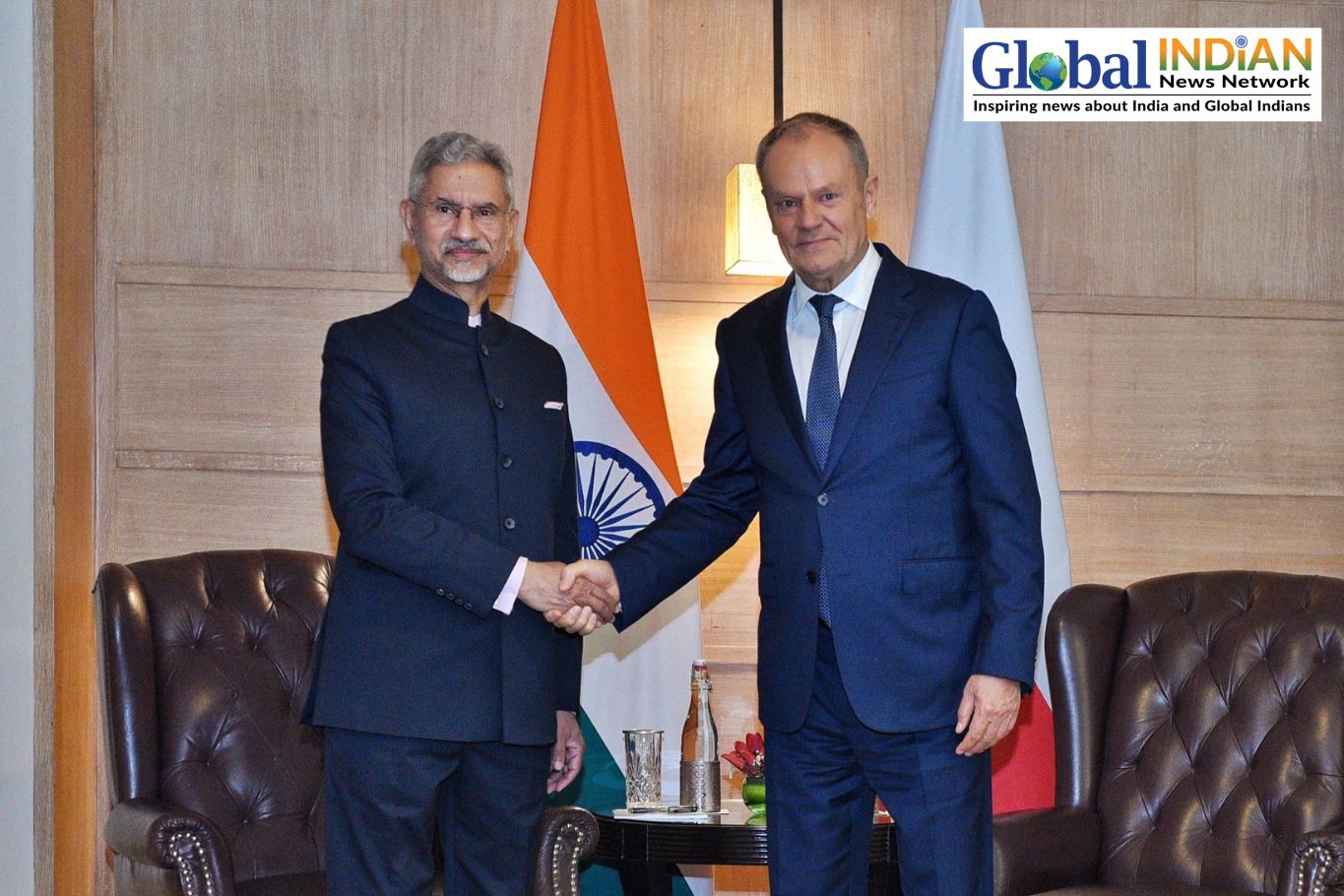
Earlier in October, Canadian Foreign Minister Anita Anand met Prime Minister Narendra Modi and held discussions with External Affairs Minister S Jaishankar in New Delhi. The talks covered areas of mutual interest, including trade, investment and security, against a backdrop of wider international uncertainty.
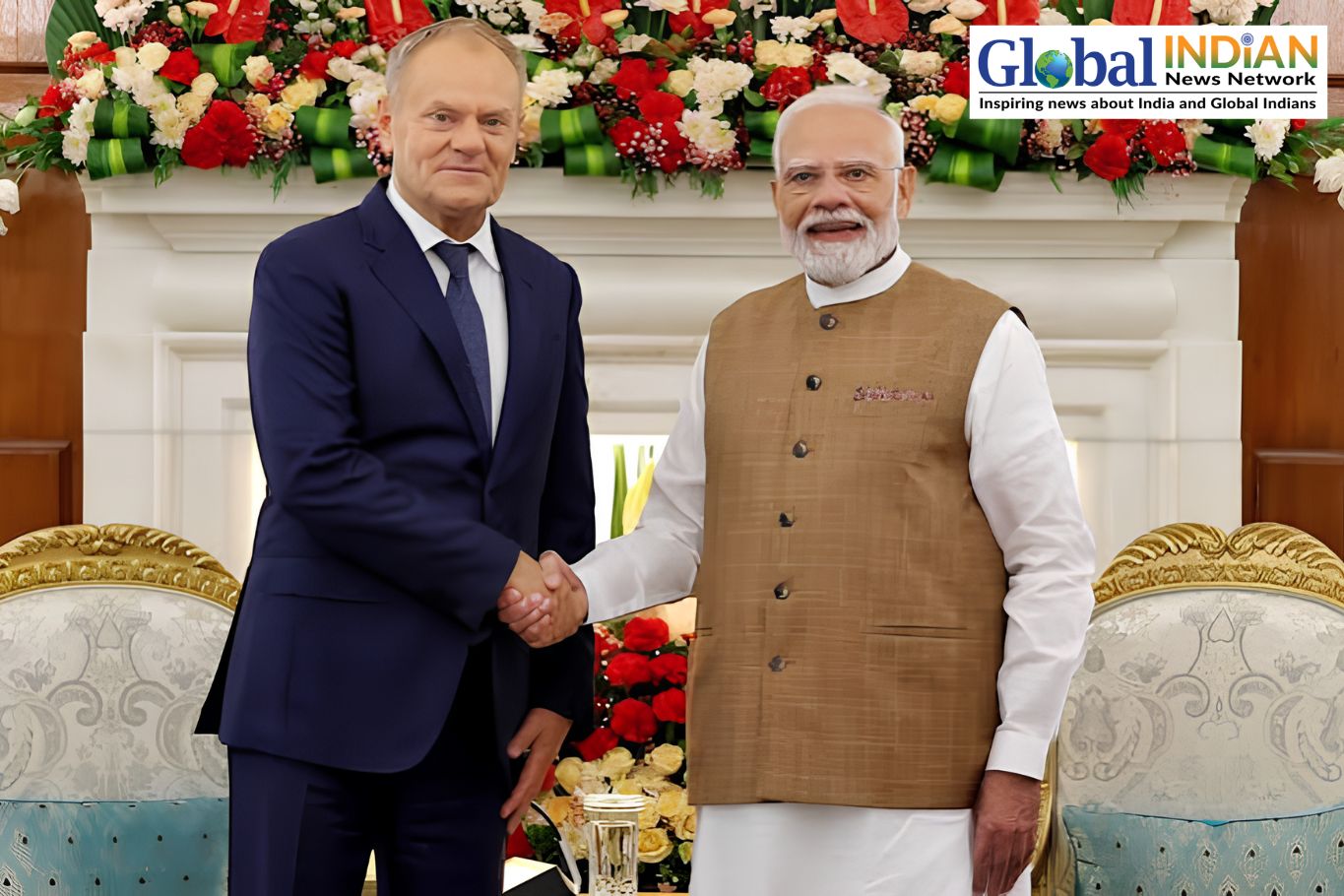
Following her meeting with Modi, Anand highlighted the potential for India and Canada to work towards a more prosperous future. She also emphasised the contribution of families, students and entrepreneurs to relations between the two countries over nearly eight decades of diplomatic ties.
Anand said Canada looked forward to welcoming Modi in December, signalling the importance both sides attach to continued high-level dialogue.
Modi described his discussions with the Canadian foreign minister as productive and reiterated India’s commitment to building a constructive, forward-looking strategic partnership with Canada. He identified trade, technology, security, energy, education and people-to-people exchanges as important areas for further cooperation.
Jaishankar also said the two foreign ministers had reviewed progress in trade and investment, education, energy, defence and people-to-people relations.
Anand’s latest visit was her third to India since June 2025, reflecting continued diplomatic engagement between the two countries.
The inaugural Migration and Mobility Dialogue adds an institutional channel to these wider efforts. By focusing on migration management and mobility, the initiative provides a platform for officials to discuss issues affecting the movement of people between the two countries, including opportunities linked to education, employment, business and family connections.
India and Canada have extensive people-to-people links, with students, professionals, entrepreneurs and families contributing to their social and economic relationship. Cooperation on mobility could therefore form an important part of efforts to deepen engagement, alongside progress in trade, investment and other strategic sectors.
The outcomes of the dialogue will depend on the measures both governments develop through continued discussions. However, its launch signals a shared interest in maintaining structured engagement on migration and mobility as India and Canada work towards a broader framework for bilateral cooperation.