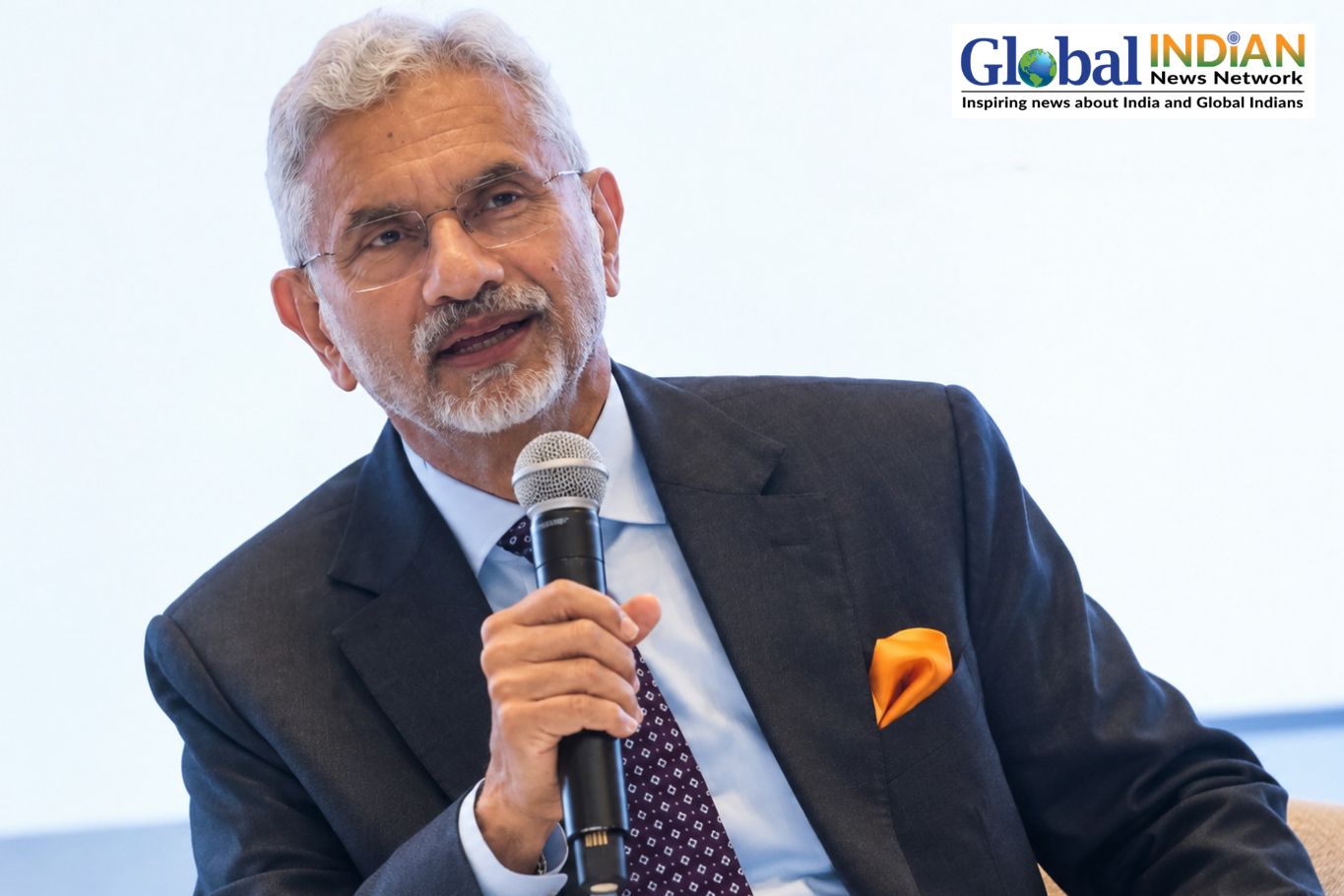
India and the United States are approaching the final stage of negotiations for a bilateral trade agreement, External Affairs Minister S. Jaishankar said during the NDTV World Summit in New Delhi. Speaking on Thursday, he noted that officials from both countries had indicated progress, although some outstanding issues still required resolution before the agreement could be finalized.
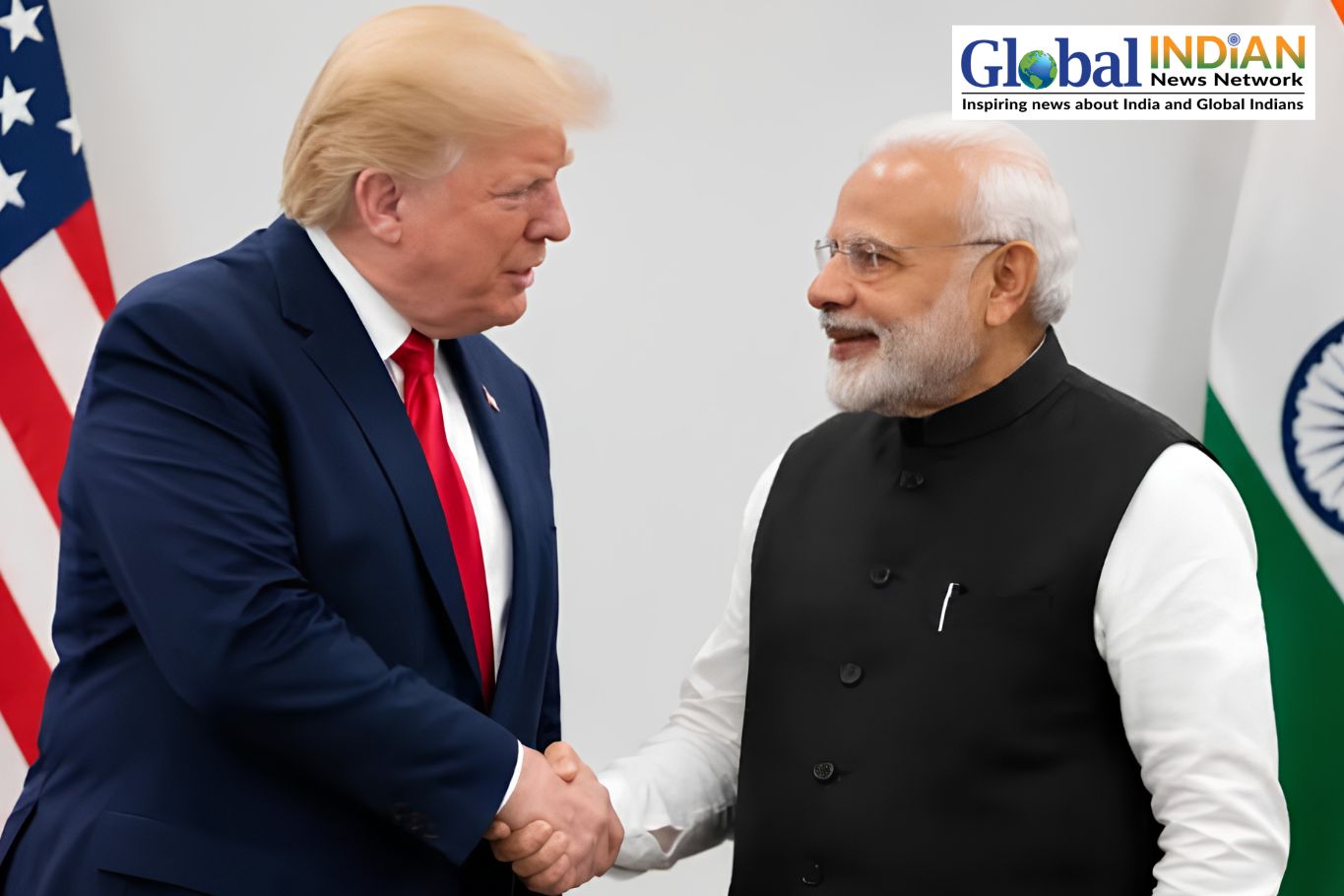
Jaishankar cautioned that negotiations were not complete until a formal agreement was signed. He said negotiating teams were working through the remaining challenges but declined to disclose specific details. US Secretary of State Marco Rubio, Commerce Minister Piyush Goyal, and President Donald Trump have also indicated that the deal is close to completion.
The two countries have spent more than a year negotiating an arrangement intended to expand market access and address differences involving tariffs, agricultural products, industrial goods, and regulatory barriers.
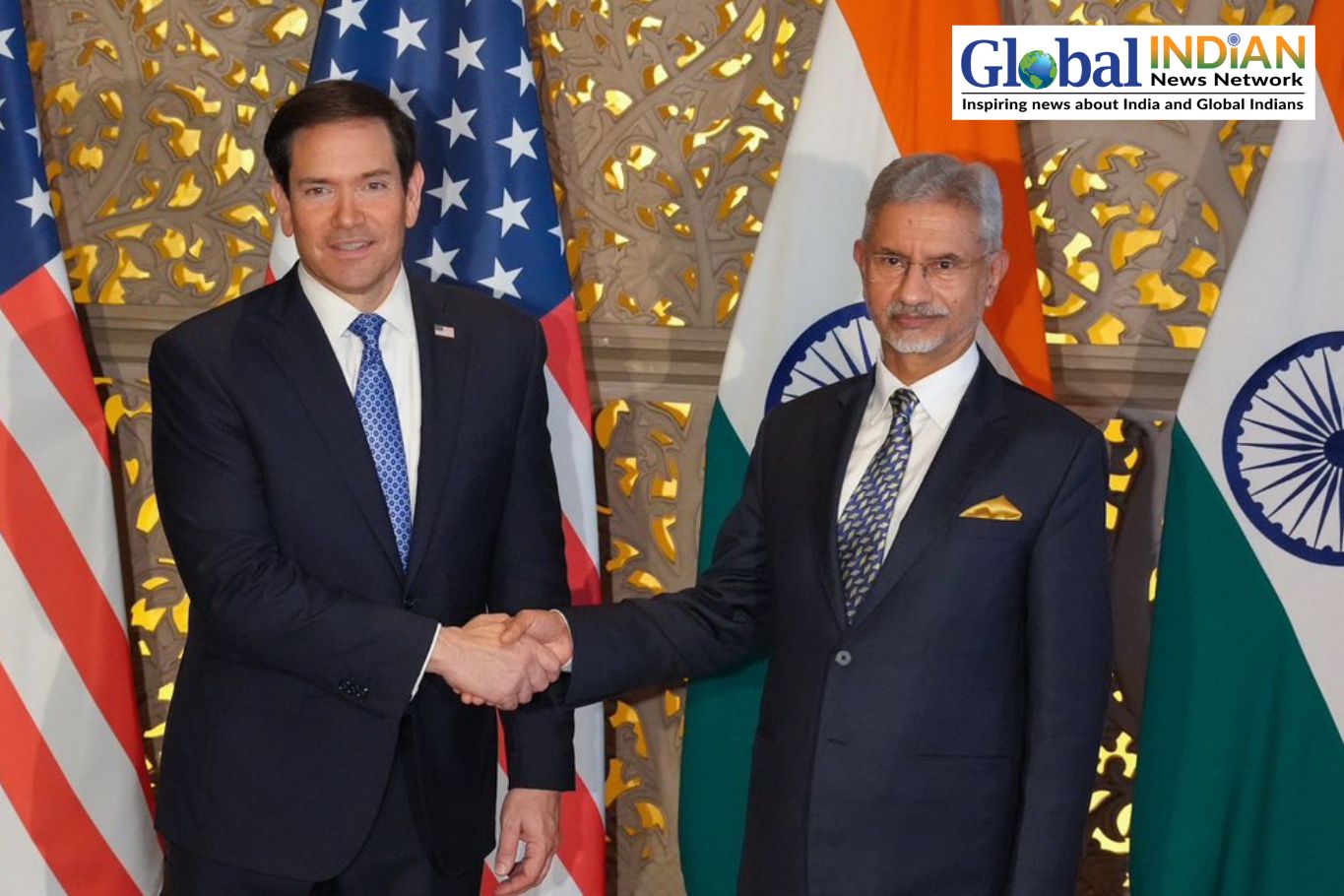
Jaishankar recently met Rubio in Mumbai to discuss bilateral relations, including trade, energy, technology, defense, and people-to-people connections. Their discussions also covered regional and international developments, including the situation in West Asia.
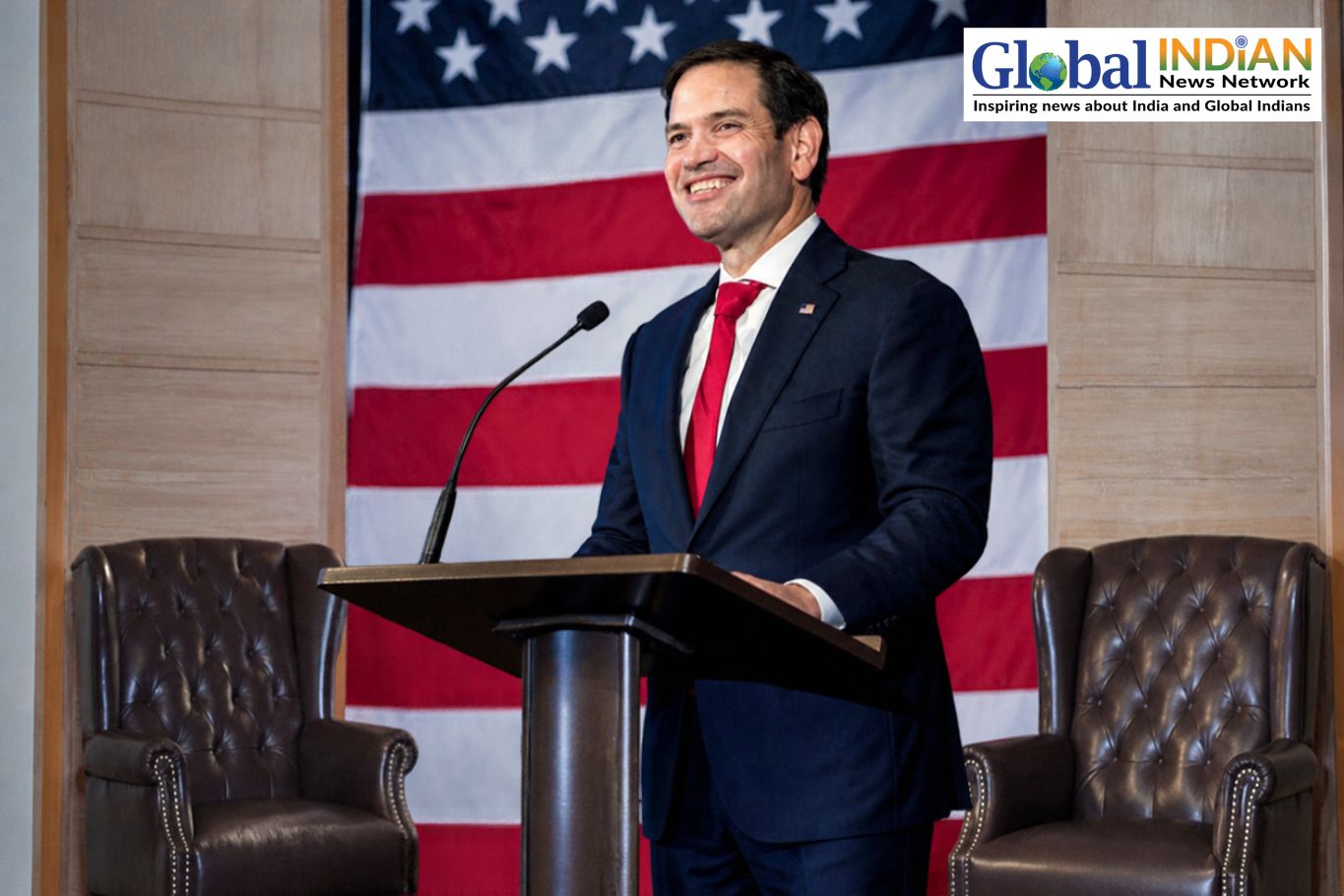
According to the US State Department, Rubio emphasized that greater energy trade between the countries could help India diversify its supply chains and meet domestic demand. He also highlighted progress in defense and civilian nuclear cooperation and encouraged India to purchase more US technology and equipment.
Rubio described India as a major petroleum-refining power and expressed interest in expanding the processing of Venezuelan crude. During his visit, he toured Reliance Industries’ Jamnagar Refinery.
Addressing India’s historical purchases of Russian oil, Rubio said the country had made progress toward diversifying its energy sources. He acknowledged that changing supply arrangements takes time and suggested the United States could contribute to India’s future energy requirements.
Jaishankar also highlighted the importance of diversification amid growing global uncertainty. He said governments and businesses could no longer assume stability in trade, energy supplies, and geopolitics. Instead, he encouraged strategies that reduce dependence on individual suppliers and strengthen resilience against disruptions.
US Ambassador to India Sergio Gor described the Mumbai discussions as productive, highlighting cooperation in security, energy, advanced technology, and commerce.
With both governments signaling progress, negotiations continue as officials work toward resolving outstanding issues before the agreement can be formally concluded.