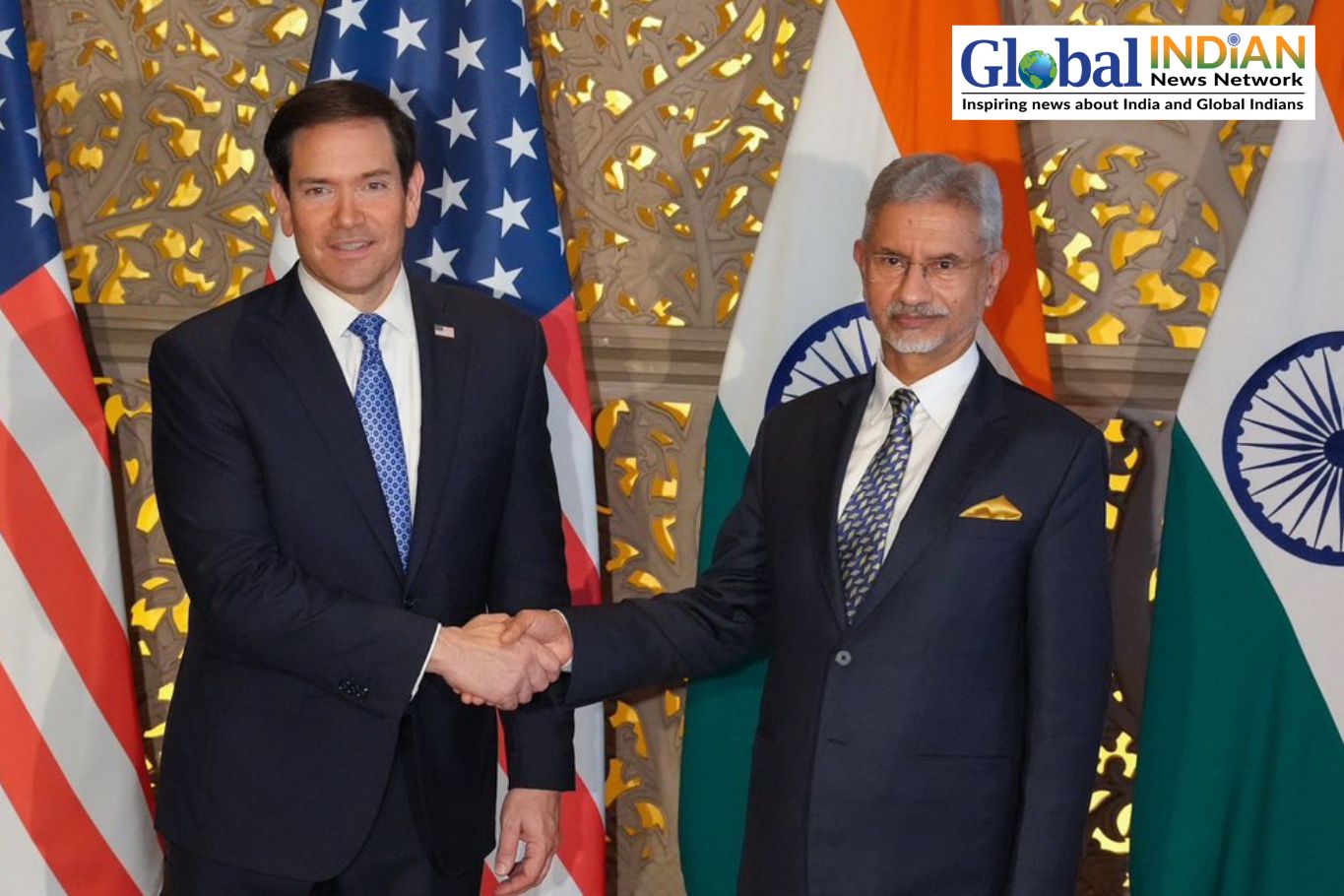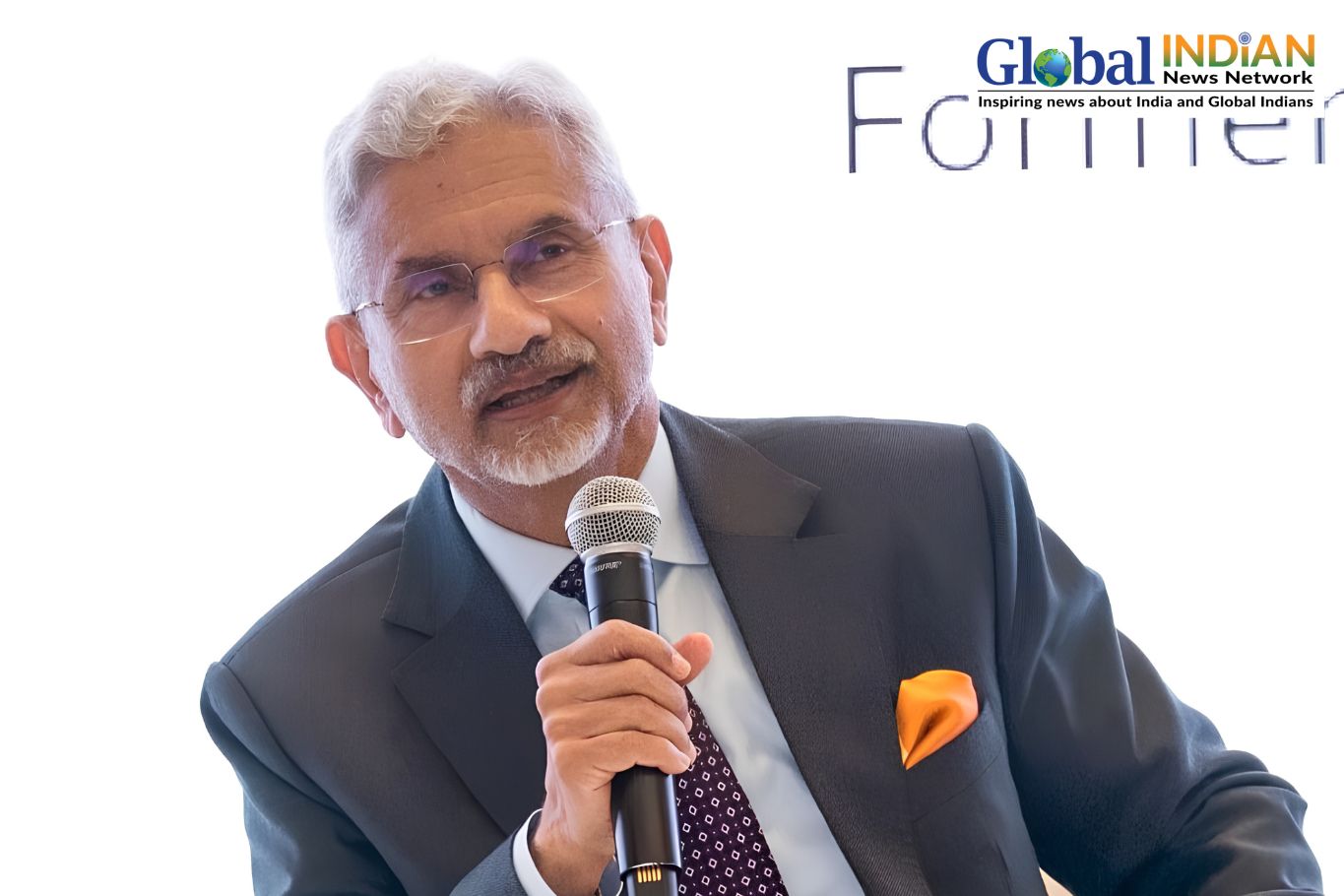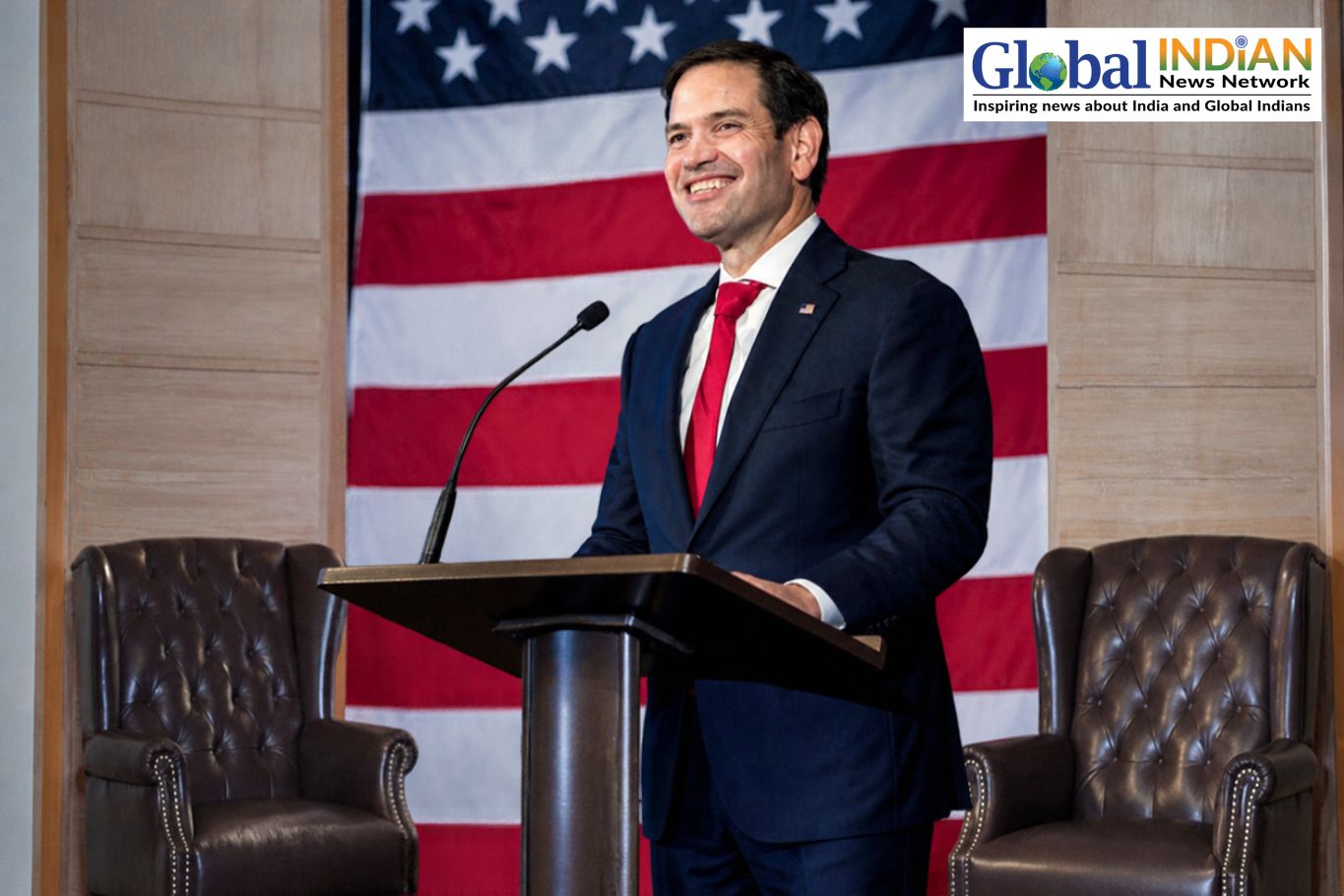
US Secretary of State Marco Rubio has sought to address concerns in India over recent changes to American immigration policies, emphasizing that the measures are designed to protect domestic workers rather than target Indian professionals. Speaking to India Today during his visit to India, Rubio said the policies apply to countries worldwide and are not specifically directed at New Delhi.
Rubio explained that the United States was reviewing immigration programs that, according to the administration, had been affected by fraud, misuse, and other irregularities. He acknowledged that the changes could affect Indian professionals seeking American employment and businesses recruiting talent from India, but maintained that the measures were part of a broader review of the immigration system.
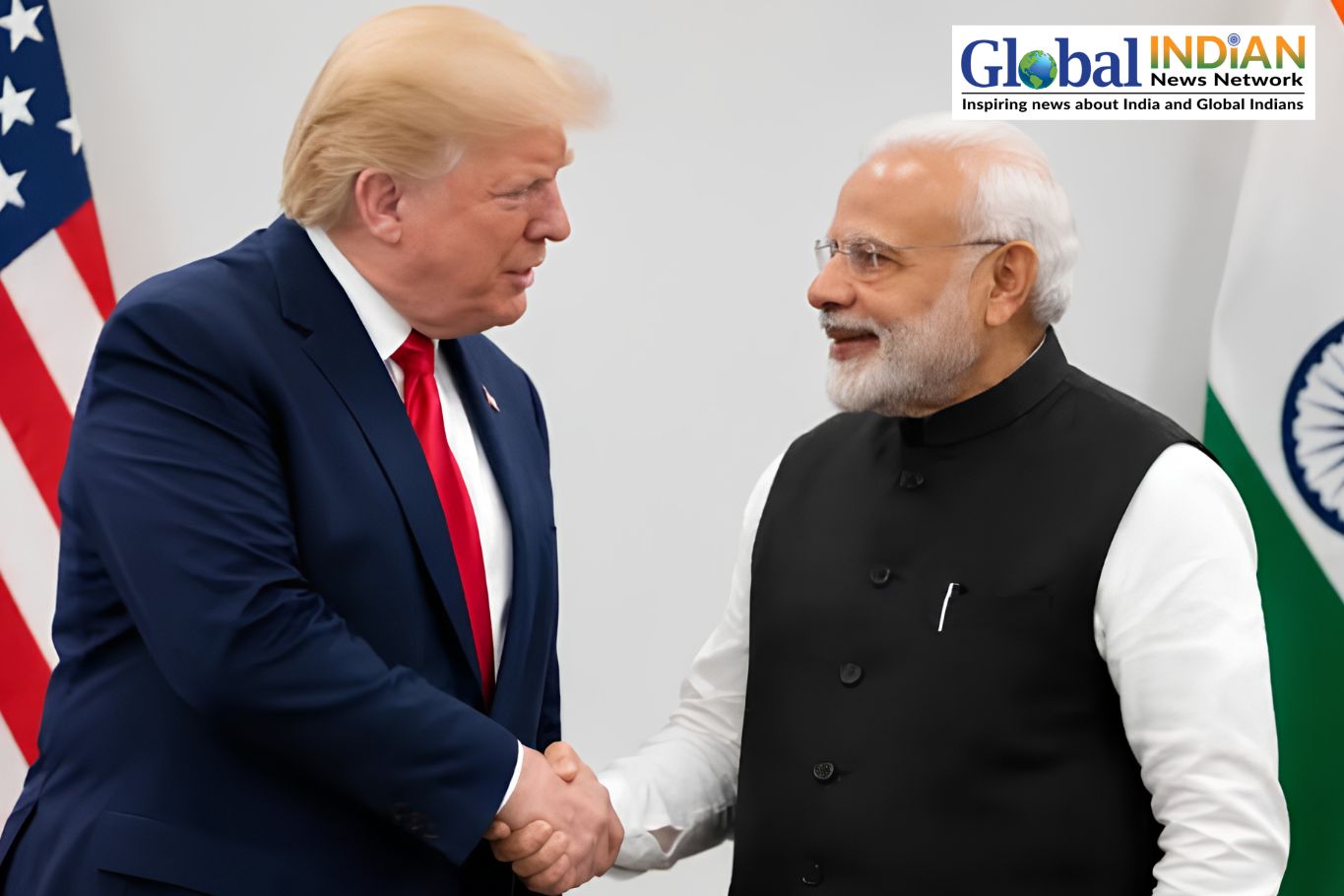
He also stressed that the administration under President Donald Trump intended to prioritize American workers and national interests, adding that India similarly places its citizens and national priorities first.
The remarks come amid increased scrutiny of employment-based immigration programs. On October 9, the US Labor Department suspended several major technology and outsourcing companies from the Permanent Labor Certification program amid ongoing federal investigations. The companies named included Indian IT firms Infosys, Tata, Wipro, and HCL, alongside Cognizant, Capgemini, Microsoft, and Adobe.
The department stated that the companies had collectively sought large numbers of foreign workers and received substantial numbers of H-1B visa approvals and permanent labor certifications.
Separately, the Department of Homeland Security proposed new fees for international students seeking to participate in Optional Practical Training, a program that allows eligible foreign students to gain practical work experience related to their studies. The proposal was presented as part of efforts to safeguard American workers and strengthen oversight of immigration programs.
Rubio departed India on Thursday, describing his visit as an opportunity to advance shared economic and strategic priorities in the region. In a post on X, he reiterated the focus on bilateral cooperation.
India has consistently argued that the movement of skilled professionals benefits both countries by supporting innovation, research, productivity, and employment opportunities. Indian officials have also expressed concern that restrictive immigration measures could undermine the shared economic objectives of the two nations.
The issue remains an important point of discussion as India and the United States continue pursuing cooperation across technology, trade, and strategic affairs.