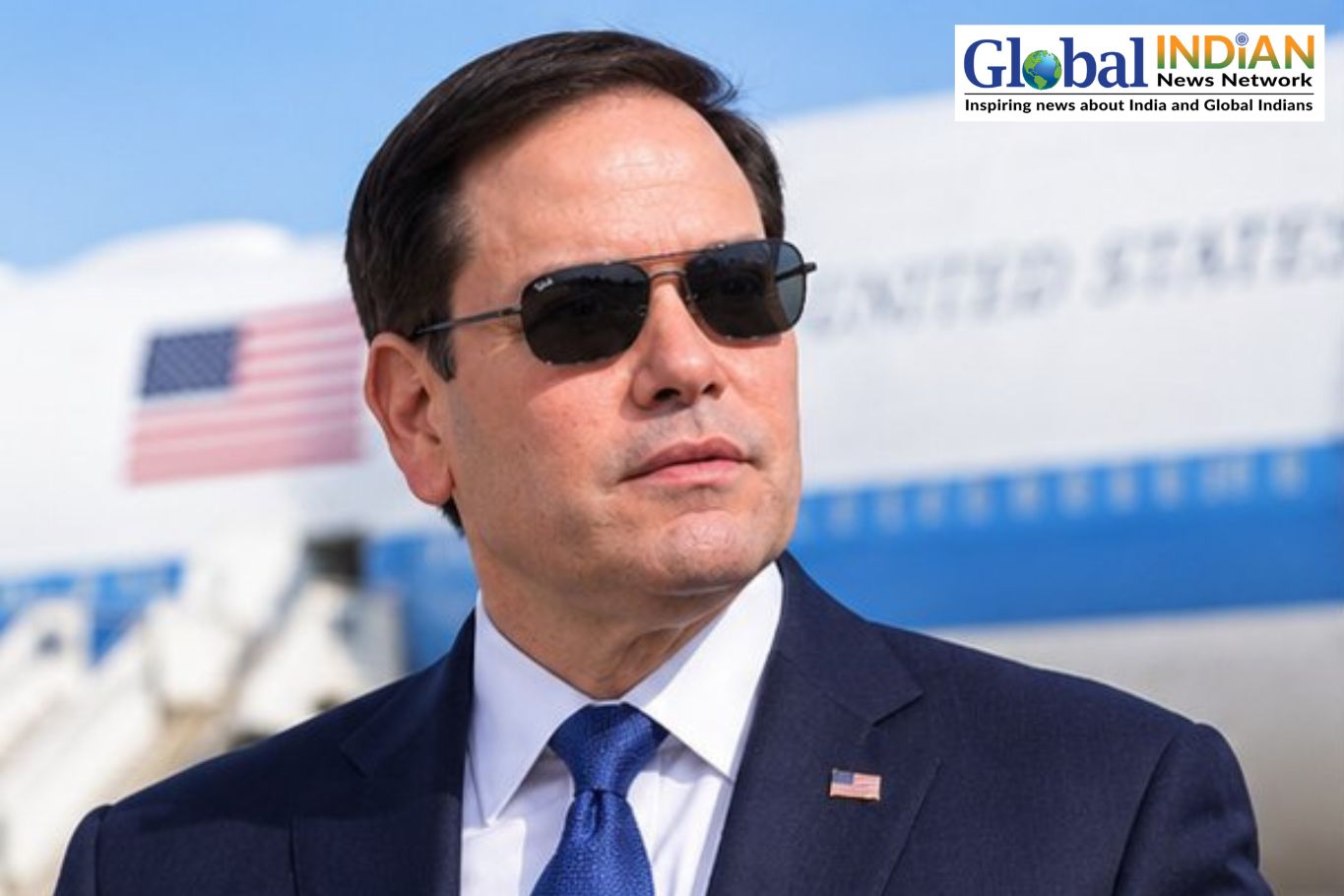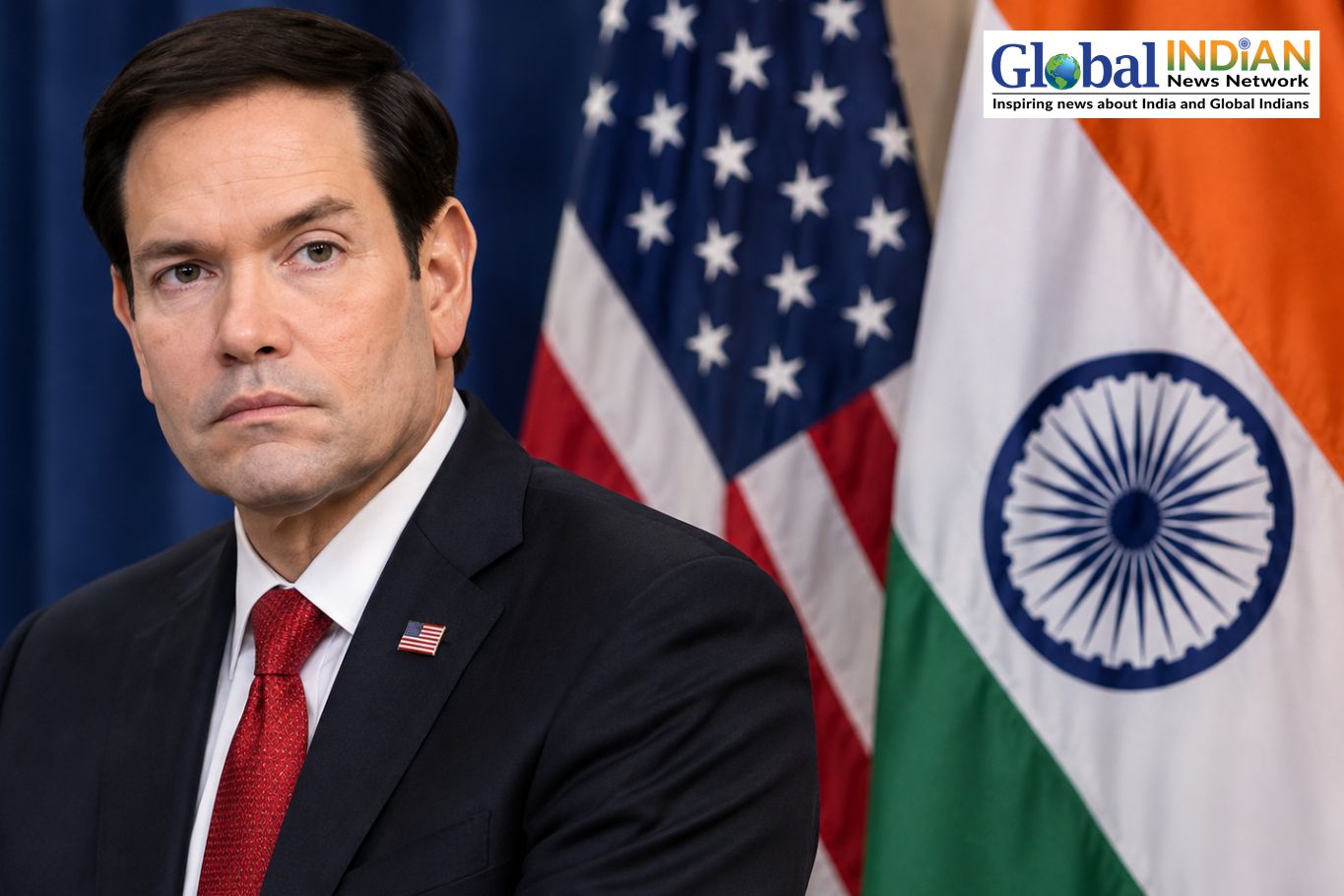
The United States and India are approaching a potential breakthrough in their trade negotiations, according to US Secretary of State Marco Rubio, who said the two countries were close to reaching an agreement. Speaking to reporters in Samarkand, Uzbekistan, on October 19, 2026, Rubio confirmed that final discussions were underway, raising expectations for progress in bilateral economic relations.
Rubio is scheduled to visit Mumbai on Tuesday for talks with India’s External Affairs Minister, S. Jaishankar. His itinerary also includes Jamnagar, Gujarat, a major refining hub known for housing one of the world’s largest oil refineries. The visit is expected to provide an opportunity for senior officials to strengthen strategic cooperation and discuss regional and international developments.
Energy policy remains an important factor in Washington’s approach to India. Rubio explained that the administration must consider the consequences of sanctions and tariffs for global energy markets, supply chains and domestic prices. He described India as an important US partner whose energy requirements and limited ability to rapidly replace existing suppliers must be considered when determining foreign policy.
The comments follow US President Donald Trump’s decision to temporarily waive certain measures under the Lindsey O. Graham Sanctioning Russia and Iran Act. The legislation included provisions allowing steep duties on imports from major purchasers of Russian-origin crude oil and natural gas, including India and China.
Rubio said the administration wanted additional time to evaluate the potential economic consequences before deciding how the measures should be implemented. He noted that India had diversified its energy sources but continued to purchase substantial volumes of Russian energy because shifting to alternative suppliers could not happen immediately.
The secretary of state also pointed to growing geopolitical uncertainty as a reason for reviewing the sanctions framework. Disruptions affecting energy infrastructure in Russia and Ukraine, along with regional tensions involving Saudi Arabia and Houthi forces, have added pressure to international energy markets. Concerns surrounding shipping through the Strait of Hormuz have further complicated the global supply outlook.
Trump invoked Section 115 of the Graham Act to authorize the waiver, stating that the decision was in the national interest of the United States. The measure temporarily suspends specified duties while the administration assesses their wider implications.
Against this backdrop, Rubio’s India visit is expected to focus on strengthening the strategic partnership, expanding energy cooperation and exchanging views on regional and global affairs.
Although Rubio’s remarks signal progress, the trade agreement has not yet been formally finalized. The outcome of discussions between the two governments will determine whether the current momentum translates into a completed deal and a broader expansion of economic ties.