Union Minister for Commerce and Industry Piyush Goyal has called for doubling bilateral trade between India and the United Kingdom by 2030, urging businesses in both countries to capitalise on the Comprehensive Economic and Trade Agreement (CETA) to expand exports, attract investment, strengthen partnerships and generate employment.
The call was made during the 16th session of the India-UK Joint Economic and Trade Committee (JETCO) in New Delhi, where officials and business representatives discussed progress under the India-UK Vision 2035 framework and explored opportunities to deepen economic cooperation. The discussions focused on translating the trade agreement into tangible commercial outcomes for businesses in both countries.
The India-UK CETA, which came into force on July 15, 2026, is intended to improve market access and reduce trade barriers. The agreement provides zero-duty access to the UK market for most Indian exports, creating opportunities for Indian manufacturers and exporters to strengthen their presence in one of the world’s major consumer markets. It also opens new avenues for British businesses seeking to expand their operations and exports to India.
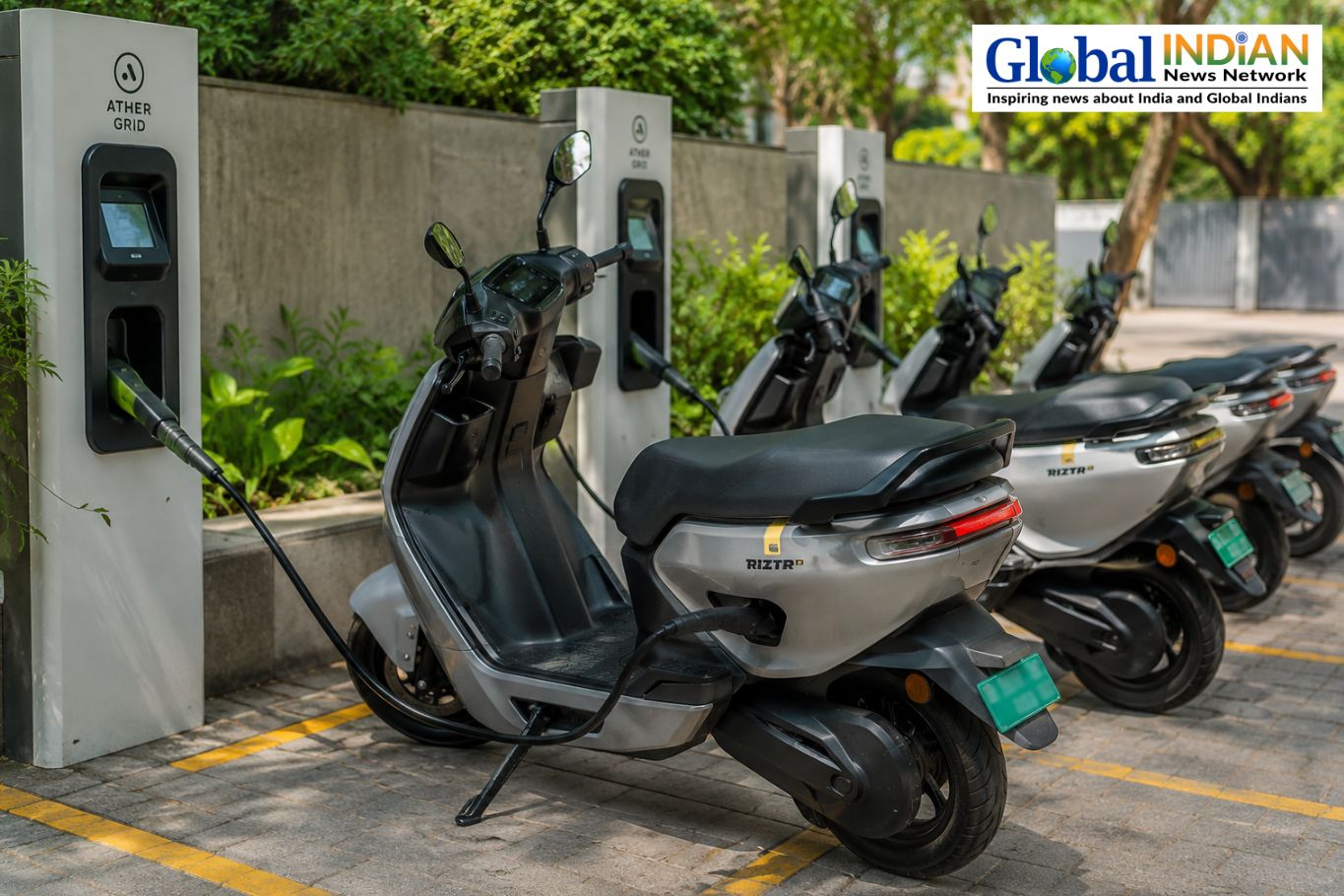
Five priority areas have emerged as central to bilateral economic cooperation: infrastructure and clean energy, advanced manufacturing and resilient supply chains, technology and innovation, financial services, and healthcare and consumer sectors. These areas encompass renewable energy, electric vehicles, battery manufacturing, semiconductors, artificial intelligence, financial technology, pharmaceuticals and diagnostics.
Expanding exports and strengthening bilateral investment were key themes of the discussions. Both sides also examined ways to improve businesses’ understanding and utilisation of the agreement’s provisions, with a focus on addressing implementation challenges and ensuring that companies can effectively access the benefits available under CETA.
Indian exporters are expected to find opportunities across several product categories, including smartphones, pharmaceuticals, textiles, jewellery, leather goods, agricultural products, machinery and automobile components. These sectors could benefit from improved tariff access and stronger commercial links with British buyers.
Potential UK exports to India include electronics, medicaments, motor cars and products across the petroleum value chain. Greater market access in both directions is expected to support wider commercial engagement, strengthen supply chains and encourage businesses to explore new investment opportunities.
The two countries agreed to review the utilisation of the trade agreement, identify implementation-related challenges and develop a practical roadmap for cooperation in the identified priority sectors. Effective implementation will be important to ensuring that businesses, particularly smaller exporters, can convert the agreement’s provisions into measurable gains.
Union Minister of State for Commerce and Industry Jitin Prasada highlighted artificial intelligence, semiconductors and data centres as important areas for technology collaboration. He emphasised the need to assess progress through measurable business outcomes, underlining the importance of translating bilateral initiatives into practical partnerships and commercial results.
The UK delegation, comprising more than 100 businesses and regional representatives, also discussed measures to help micro, small and medium enterprises (MSMEs) and first-time exporters navigate the new trading framework. Key areas of focus included tariff reductions, rules of origin and customs procedures, which can influence the ability of smaller businesses to enter international markets.
Greater clarity on these provisions could help Indian MSMEs expand their export capabilities while enabling British companies to identify new suppliers, customers and investment opportunities in India. Improved awareness and practical guidance will be essential to broadening participation in bilateral trade beyond large corporations.
The renewed focus on trade, investment and technology cooperation reflects the wider ambitions of India-UK Vision 2035. With both countries seeking to strengthen economic ties across traditional industries and emerging technologies, effective implementation of CETA will be central to achieving their trade ambitions.
As India and the UK work towards doubling bilateral trade by 2030, the emphasis will remain on expanding market access, addressing operational challenges and encouraging businesses to make fuller use of the agreement. The success of this effort will depend on sustained cooperation between governments and industry, as well as the ability to translate policy commitments into stronger trade flows, investment and employment opportunities.