India’s electric vehicle market reached a new milestone in September 2026, recording its highest-ever monthly retail sales as demand for cleaner mobility continued to accelerate. According to data from the Federation of Automobile Dealers Associations (FADA), total EV retail sales climbed to 333,634 units, marking a 74% increase from the same month last year.
The strong performance also pushed EV penetration across vehicle categories to approximately 13%, compared with about 10% in September 2025. Rising consumer demand, improved operating-cost economics, a wider selection of electric models and government support contributed to the record monthly performance.
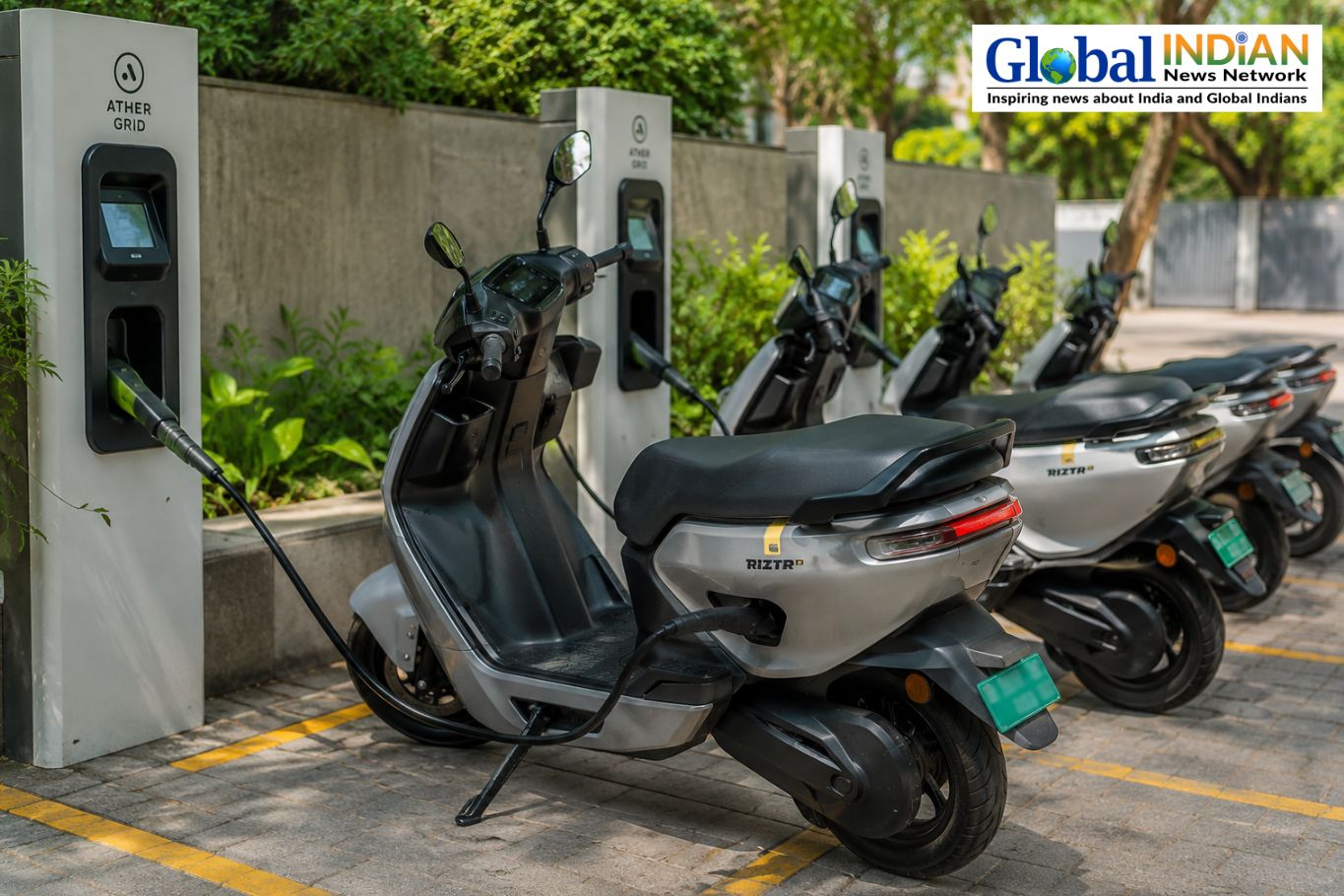
Electric two-wheelers remained the largest contributor to the overall increase. Retail sales in the category reached a record 207,314 units, representing an 88.67% year-over-year increase and a 13.16% rise from August. EV penetration among two-wheelers climbed to 11.6%, compared with 8.2% a year earlier.
Electric passenger vehicles also achieved their strongest monthly performance on record. Sales reached 36,108 units, up 94.56% year over year and 17.63% from the previous month. Their share of the passenger-vehicle market increased to 8.5%, compared with 5.7% during September 2025.
Electric three-wheelers continued to maintain a substantial presence in their segment. Retail sales rose 40% year over year and 7.74% month over month to 86,024 units. EV penetration in the category remained particularly high at 64.9%, highlighting the growing role of electric mobility in commercial and shared transportation.
Electric commercial vehicles also recorded significant annual growth. Sales totaled 4,188 units, more than twice the level recorded a year earlier, representing a 158% year-over-year increase. However, sales were 10.9% lower than in August. Despite the monthly decline, EV penetration in the commercial-vehicle segment increased to approximately 4%, compared with 2.16% a year earlier.
FADA President Sai Giridhar attributed the September surge to several factors, including festive-season demand, improving running-cost advantages, greater model availability and continued policy support.
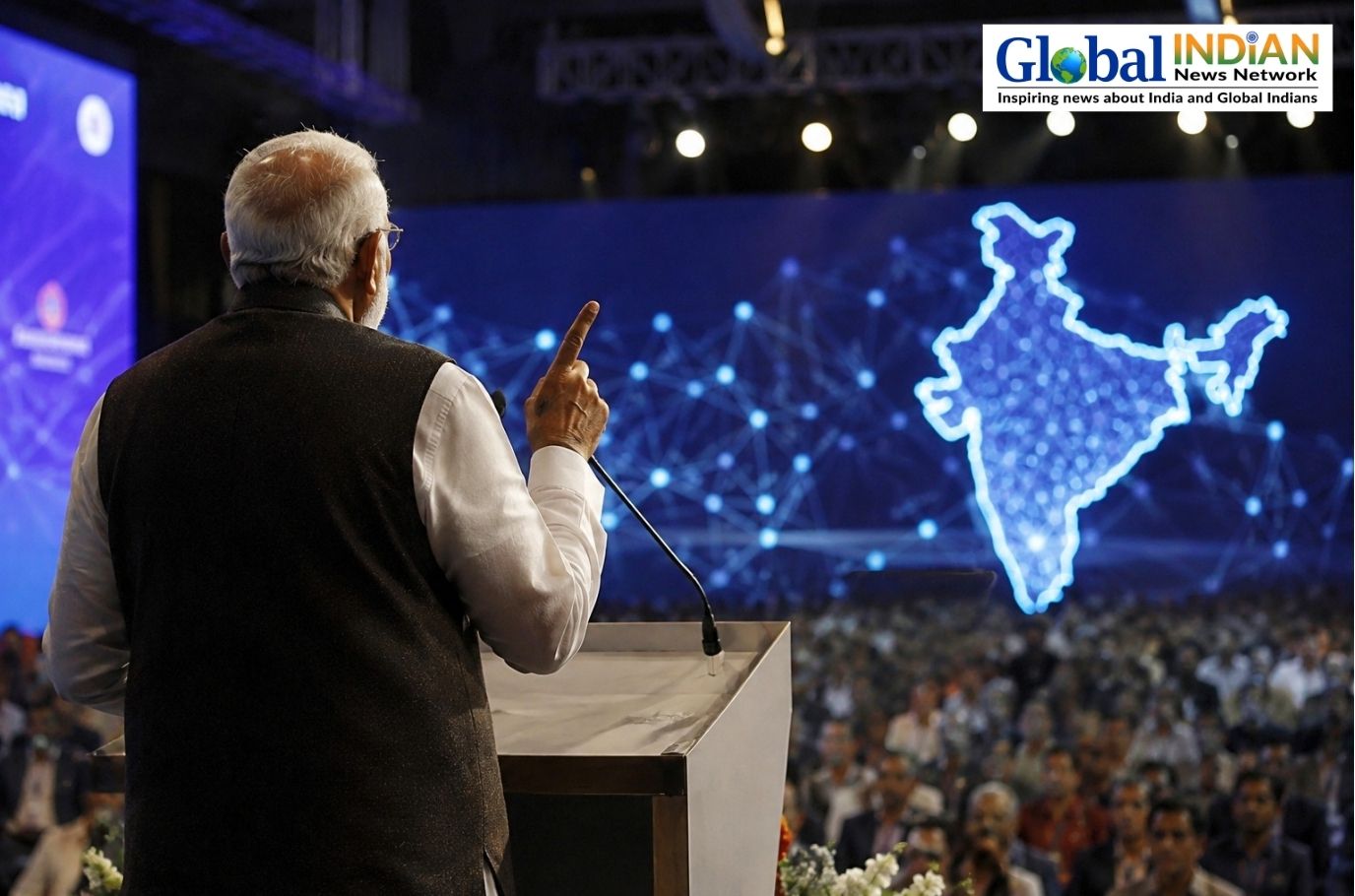
Government initiatives such as PM E-DRIVE, along with state-level electric-vehicle programs, have continued to support India’s transition toward electric mobility. The latest figures indicate that EV adoption is expanding beyond individual vehicle categories, with two-wheelers, passenger vehicles, three-wheelers and commercial vehicles all contributing to the market’s broader growth.
The record September sales provide another indication of the accelerating adoption of electric vehicles in India as consumers and businesses increasingly consider operating costs, model choice and policy incentives when making vehicle purchases.