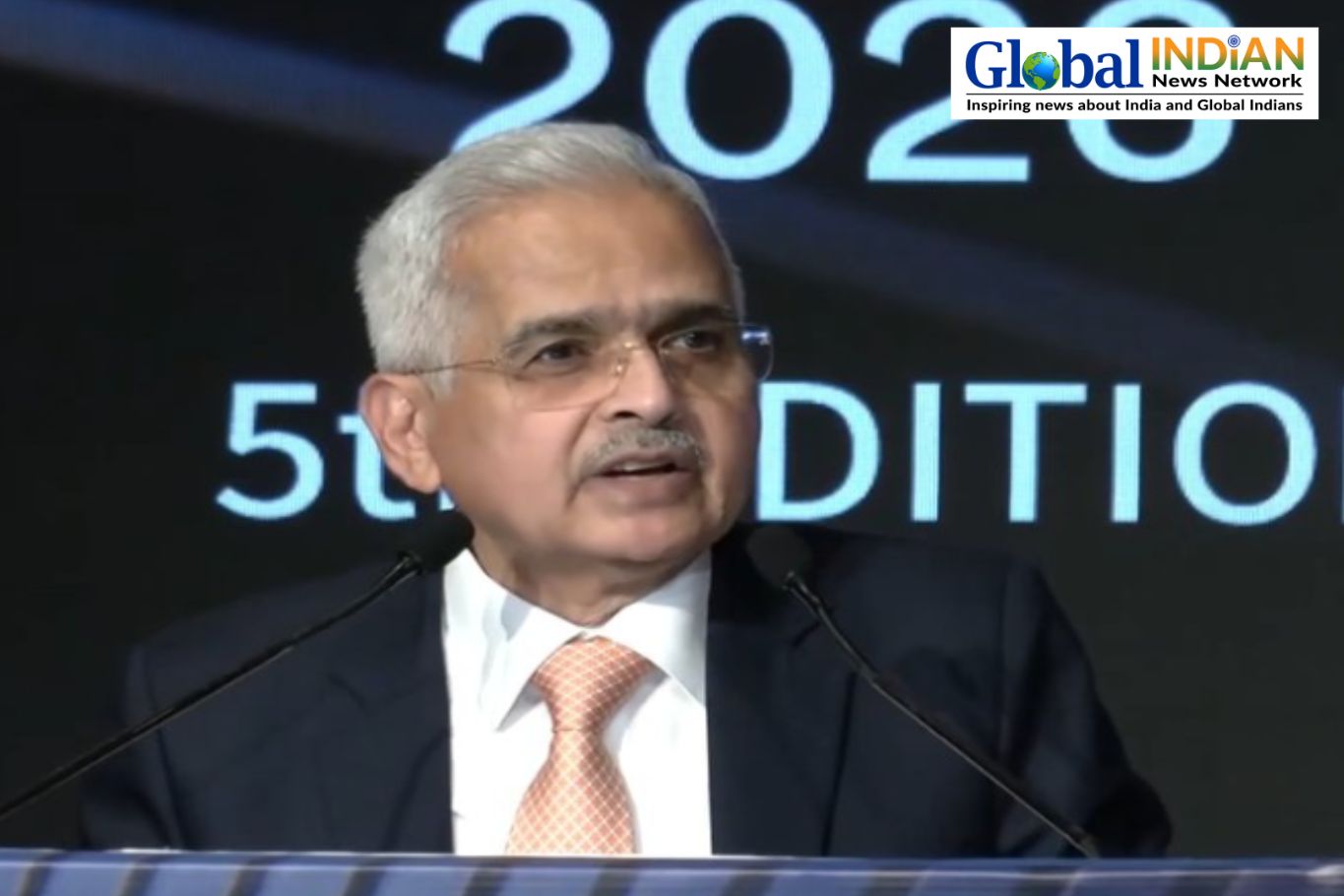
India is working to expand its network of bilateral investment partnerships and expects to conclude at least three new agreements by December, Finance Minister Nirmala Sitharaman said during a discussion at the Munich Leaders Meeting.
Sitharaman said India is negotiating bilateral investment promotion and protection agreements with several countries, including Canada and Russia, as New Delhi looks to strengthen investment ties amid changing global trade patterns. The government is also awaiting Cabinet approval of an updated template for such agreements, which is expected to provide a framework for future negotiations.
Canada could be among the countries to complete an agreement with India, although the timeline may extend into early next year. Sitharaman said India is aiming to finalize agreements with at least three additional countries by the end of December, reflecting the government’s broader push to diversify economic relationships.
The comments came as India and the United States continue negotiations on a bilateral trade agreement that has reached a challenging stage. Sitharaman described the discussions as having reached a “plateau,” indicating that additional concessions from either side could become increasingly difficult.
She said both countries may still have opportunities to find areas where negotiations can move forward. However, the agreement remains the product of intensive discussions, with the trade imbalance between the two countries emerging as one of the central issues Washington wants to address.
Sitharaman also raised concerns about the increasing use of tariffs as a tool for correcting trade imbalances. She argued that if such measures are considered legitimate in India’s case, similar principles should also be applied when the United States addresses its trade relationship with China. In her view, disagreements of this nature should ultimately be handled through negotiations rather than unilateral action.
India’s investment treaty strategy has also evolved as the global economic environment changes. Last week, New Delhi signed a bilateral investment treaty with Saudi Arabia that gives investors a two-year period to pursue remedies through domestic legal channels before they can initiate international arbitration.
Sitharaman noted that this provision represents a notable feature of India’s newer generation of investment agreements. The government is seeking to create investment frameworks that provide clearer protections while balancing investor interests with national policy priorities.
She also emphasized that shifting global trade conditions are encouraging countries to develop relationships with a wider range of economic partners. For India, strengthening bilateral investment and trade arrangements could help create new opportunities as the global economic landscape continues to change.