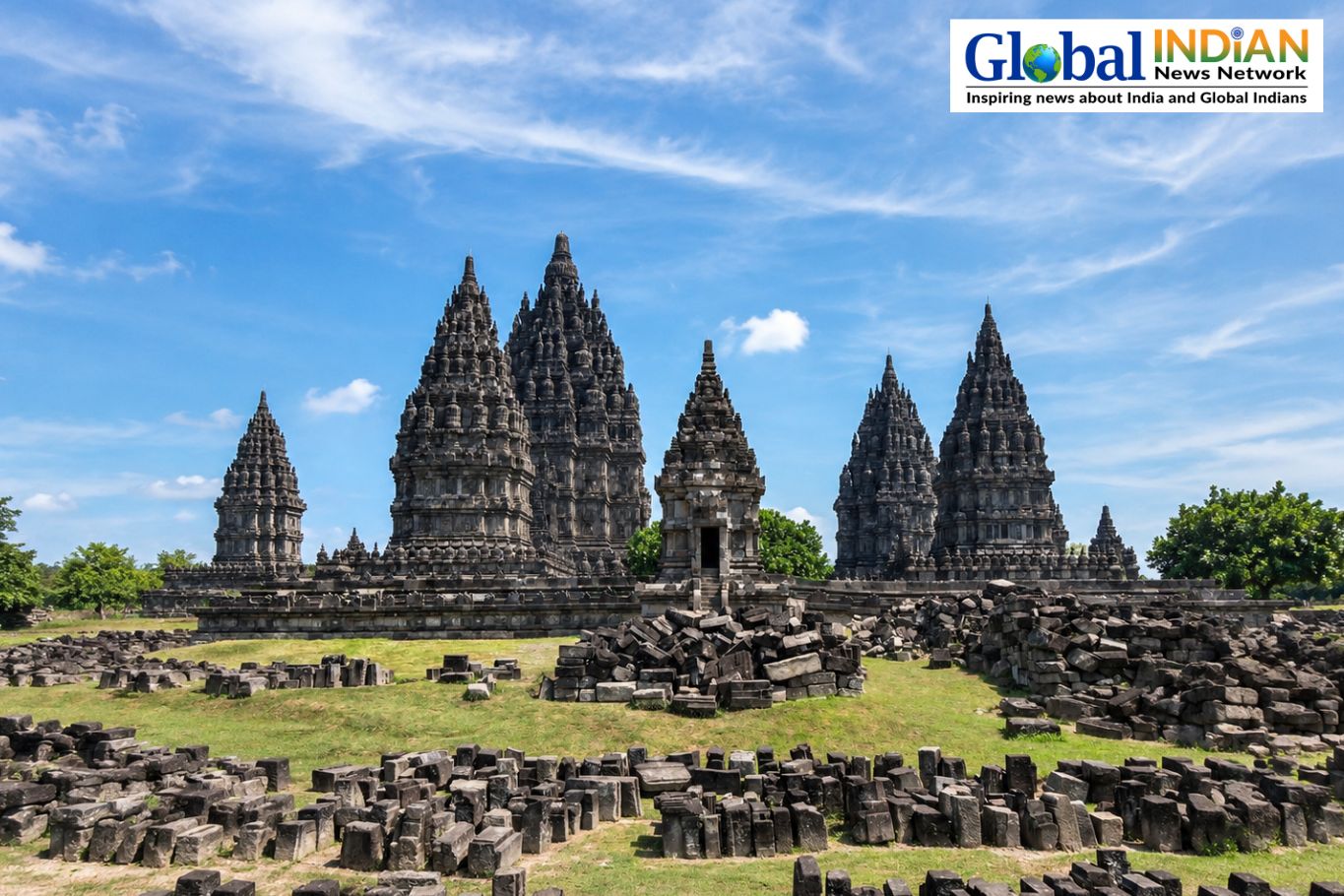
Indonesia has renewed an interagency agreement allowing Hindu and Buddhist communities from the country and abroad to use four historic temples for religious activities. The updated Memorandum of Understanding (MoU) covers Prambanan, Borobudur, Mendut and Pawon temples, with the government aiming to balance religious access, heritage conservation and sustainable tourism.
The Indonesian Ministry of Tourism worked with other ministries, government agencies and local administrations to renew the agreement. Tourism Minister Widiyanti Putri Wardhana said the initiative reinforces the government’s commitment to developing the four temple complexes as internationally recognized destinations for religious and spiritual tourism while protecting their cultural and historical significance.
Wardhana explained that the MoU’s revision reflects changes in government structures, including updated names and organizational arrangements among ministries and agencies. It also clarifies the scope of cooperation to make the framework more adaptable to changing governance requirements and the future development of tourism around the temple sites.
Under the agreement, Prambanan Temple will serve as a place of worship for Hindus, while Borobudur, Mendut and Pawon temples will provide religious spaces for Buddhists. The sites are also intended to support Hindu Tirtha Yatra and Buddhist Dharmayatra pilgrimages, alongside religious, cultural and spiritual tourism initiatives.
The cooperation further identifies opportunities to expand research and innovation related to religion, history, art and culture. Local community participation and economic empowerment are also central objectives, linking the preservation of these historic sites with sustainable regional development.
Pratikno, Indonesia’s Coordinating Minister for Human Development and Cultural Affairs, welcomed the renewed commitment and called for cooperation among government institutions, communities and other stakeholders. He emphasized the importance of ensuring that worshippers can practice their faith peacefully and respectfully, while visitors experience the country’s historical and cultural heritage.
The initiative also seeks to ensure that tourism benefits residents and businesses in surrounding areas, contributing to regional and national economic growth. By combining religious access, conservation and responsible tourism, Indonesia aims to strengthen the cultural significance of the four temples while supporting the communities connected to them.