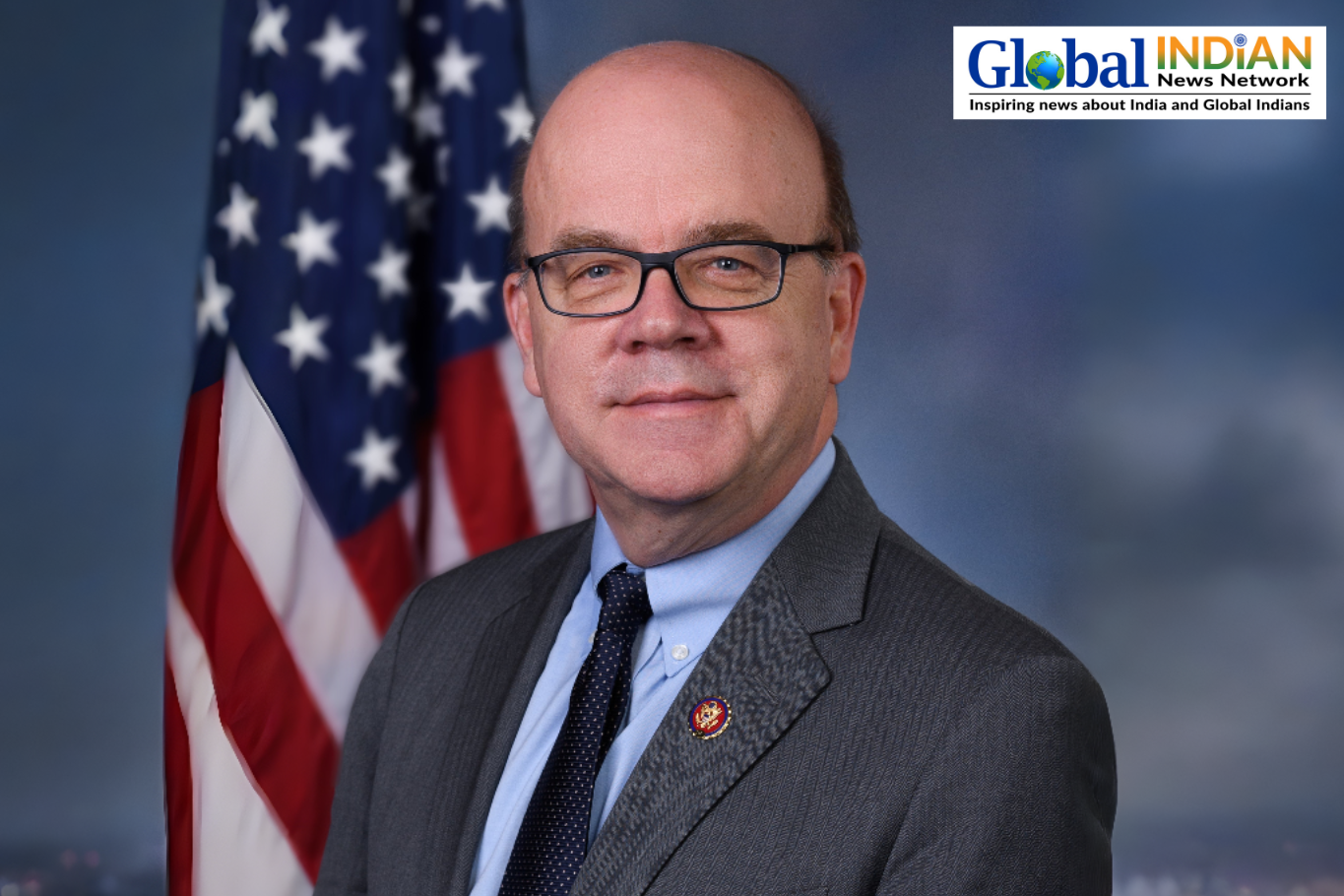
Indian American community leaders in Massachusetts are calling for more consistent engagement with elected officials as they address issues affecting the community, including immigration, healthcare, economic opportunities and civic participation.
The concerns were raised during a September 19 meeting with Congressman Jim McGovern at the India Worcester Center in Shrewsbury. The gathering brought together physicians, entrepreneurs, professionals and civic advocates who discussed challenges facing Indian Americans and ways to strengthen communication between the community and policymakers.
Immigration was among the key topics discussed during the meeting. Participants pointed to concerns affecting international students, families, medical professionals and other immigrants as they navigate the US immigration system. Healthcare access, professional and economic opportunities, civic participation and broader India-US relations were also part of the conversation.
McGovern, a Democrat who represents Massachusetts’ 2nd Congressional District in the US House of Representatives, participated in the discussion with community members. Participants emphasized the importance of maintaining communication with elected representatives regardless of political affiliation, with the goal of creating channels for continued dialogue on community concerns.
The meeting also highlighted the Indian American community’s contribution to the broader relationship between the United States and India. Ramesh Vishwanath Kapur, founder and president of the US India Security Council, pointed to the US-India Civil Nuclear Agreement as an example of cooperation that received support across political lines. He also discussed the role Indian Americans have played in strengthening connections between the two countries.
Satya Mitra, a community leader and Worcester city councilor-at-large, spoke about McGovern’s accessibility and engagement with constituents. Sahdev Passey also highlighted the congressman’s interaction with the local community, according to the statement.
Participants stressed that Indian Americans from different generations, religious backgrounds and political perspectives should have opportunities to participate more actively in civic affairs. They called for closer coordination among community organizations, businesses, students, younger generations and elected representatives.
Technology, trade, energy, healthcare, education, defense and innovation were identified as additional areas where the community could contribute to closer US-India ties.
The discussion ultimately focused on developing a sustained framework for engagement with policymakers at the federal, state and local levels. Participants said civic involvement should extend beyond elections and include continued dialogue, community collaboration and participation in public affairs.