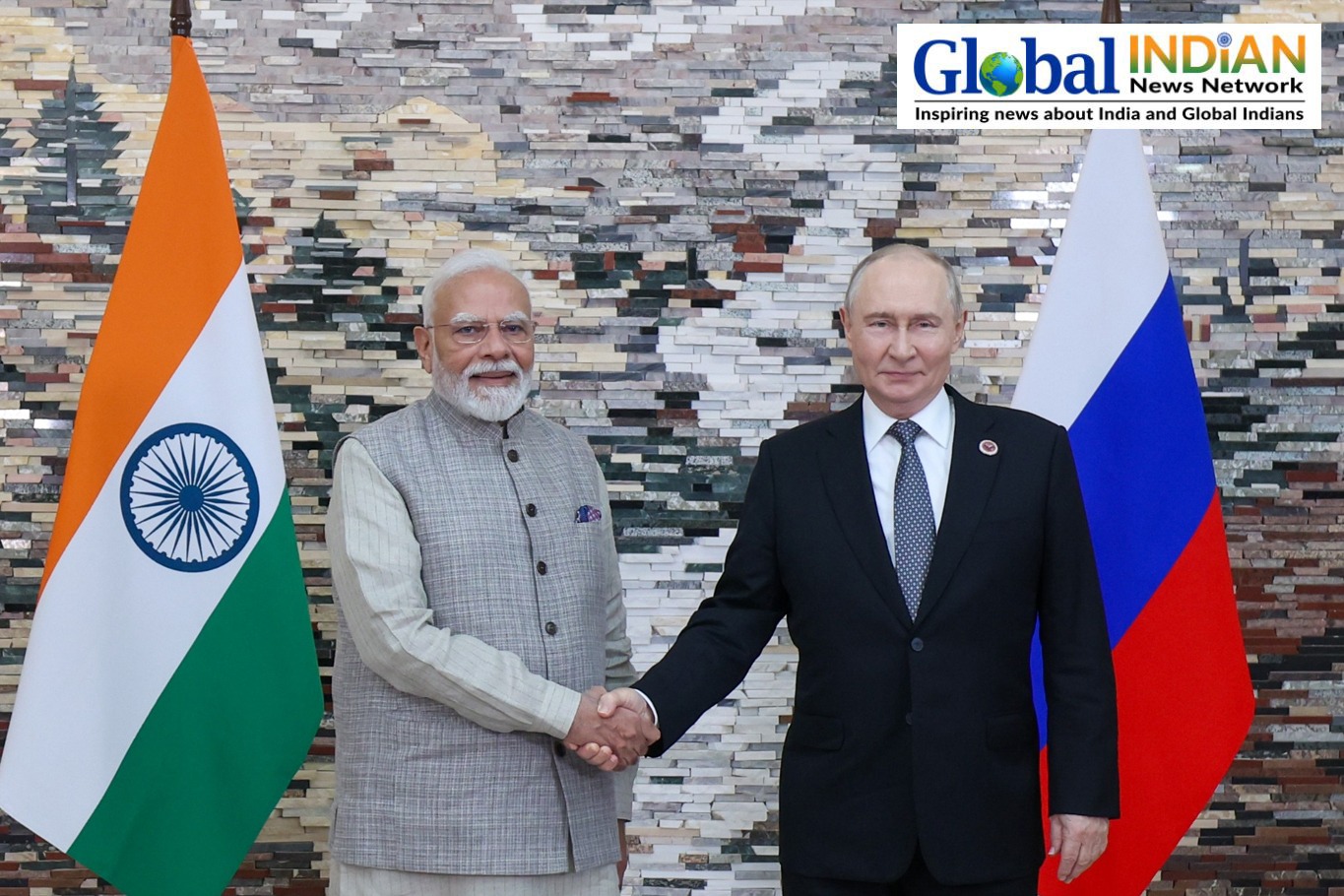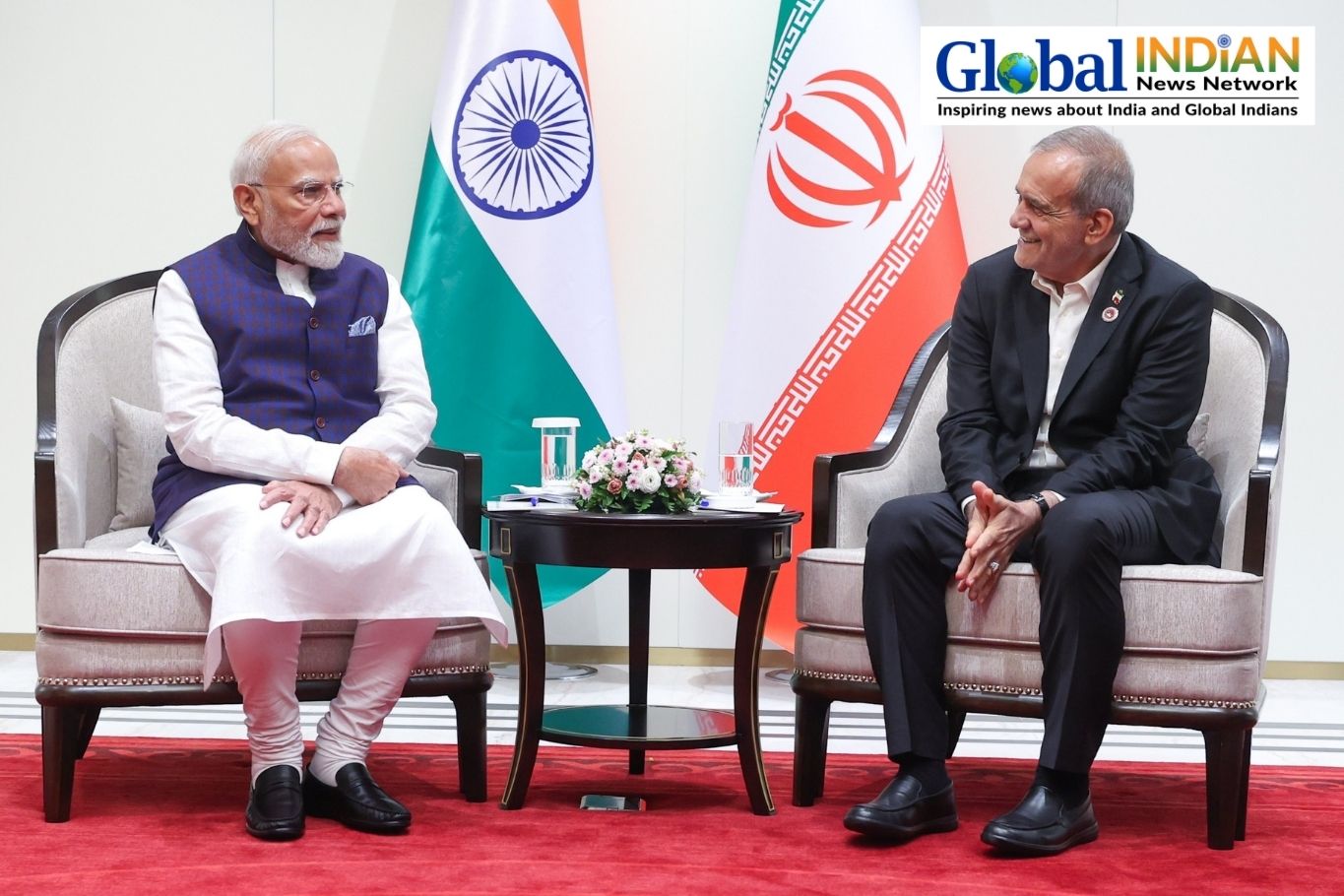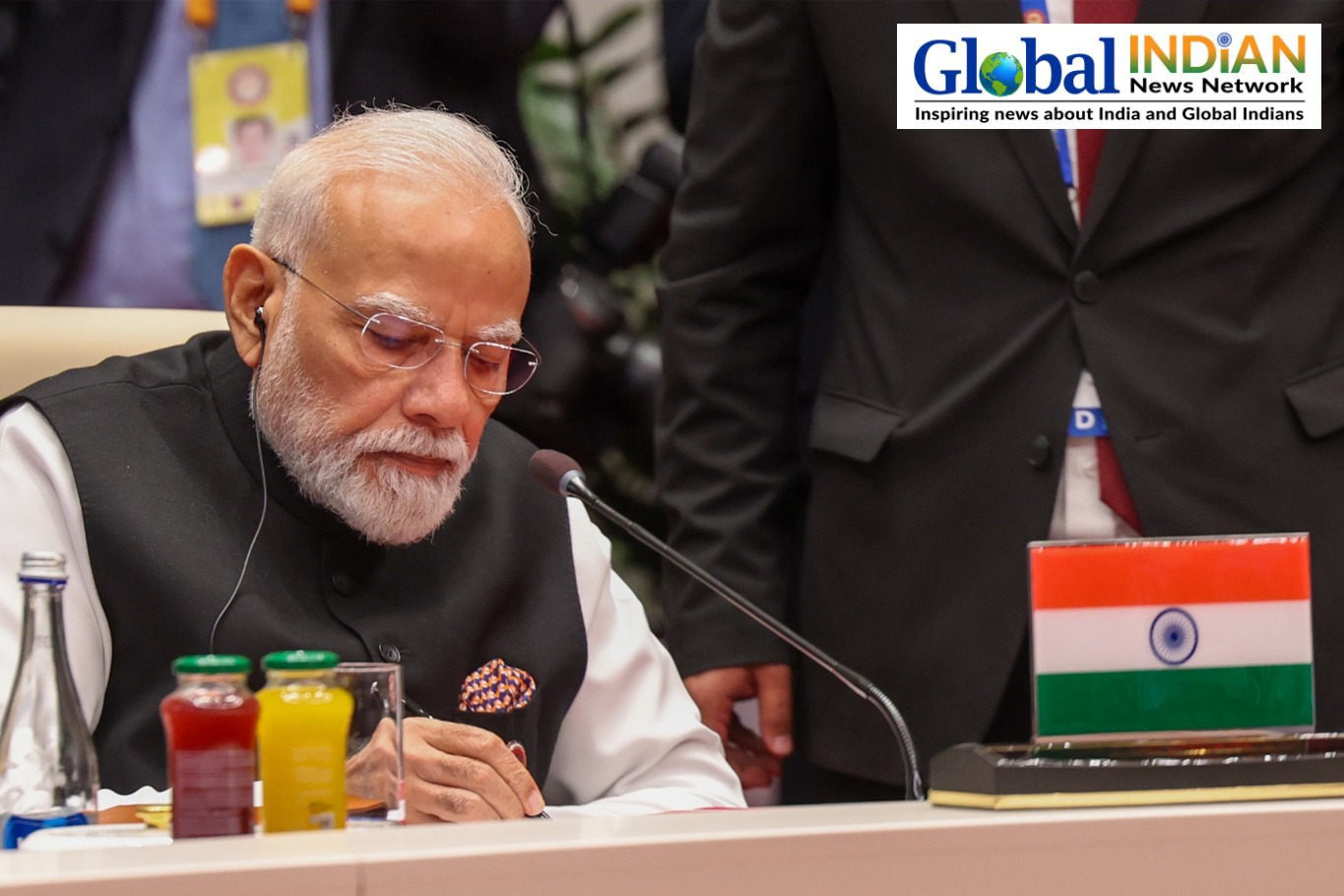
Prime Minister Narendra Modi held separate discussions with the Presidents of Laos and Tajikistan during the Shanghai Cooperation Organisation summit in Bishkek, underlining India’s interest in expanding its partnerships with both countries. The meetings focused on strengthening bilateral engagement and exploring opportunities for cooperation across a range of sectors.
During his meeting with Laos President Thongloun Sisoulith, Modi discussed ways to deepen the relationship between India and Laos. The two leaders exchanged views on strengthening connections between their nations, with the Indian Prime Minister describing the conversation as a productive opportunity to advance bilateral engagement.
Modi also met Tajikistan President Emomali Rahmon on the sidelines of the summit. During their interaction, he reaffirmed India’s commitment to expanding cooperation with Tajikistan in diverse areas. The discussions reflected India’s continued efforts to build stronger partnerships with countries across Central and Southeast Asia through greater diplomatic and strategic engagement.
Earlier, Modi participated in the 26th meeting of the SCO Council of Heads of State, where he addressed broader concerns related to international peace, security, and regional stability. He emphasized that disputes and armed conflicts should be addressed through dialogue and diplomacy rather than military action.
The Prime Minister noted that conflicts can have consequences far beyond the regions where they begin. He pointed to the wider effects of instability on energy security, maritime trade, and global supply chains, adding that developing nations often face the greatest impact from such disruptions. India, he said, continues to support peaceful negotiations as the preferred approach to resolving tensions.
Modi also called for stronger and more coordinated international action against terrorism. He stressed that efforts should go beyond responding to individual attacks and should instead target the wider networks that enable extremist activities, including financing, recruitment, radicalization, and safe havens.
Calling for a unified global approach, Modi said countries must reject double standards when dealing with terrorism. He also raised concerns about narcotics trafficking and its potential impact on younger generations and regional security.
Welcoming the SCO’s efforts to establish specialized centers to address security threats, organized crime, information security, and drug trafficking, Modi said these institutions should become effective mechanisms for practical cooperation and timely collective action.