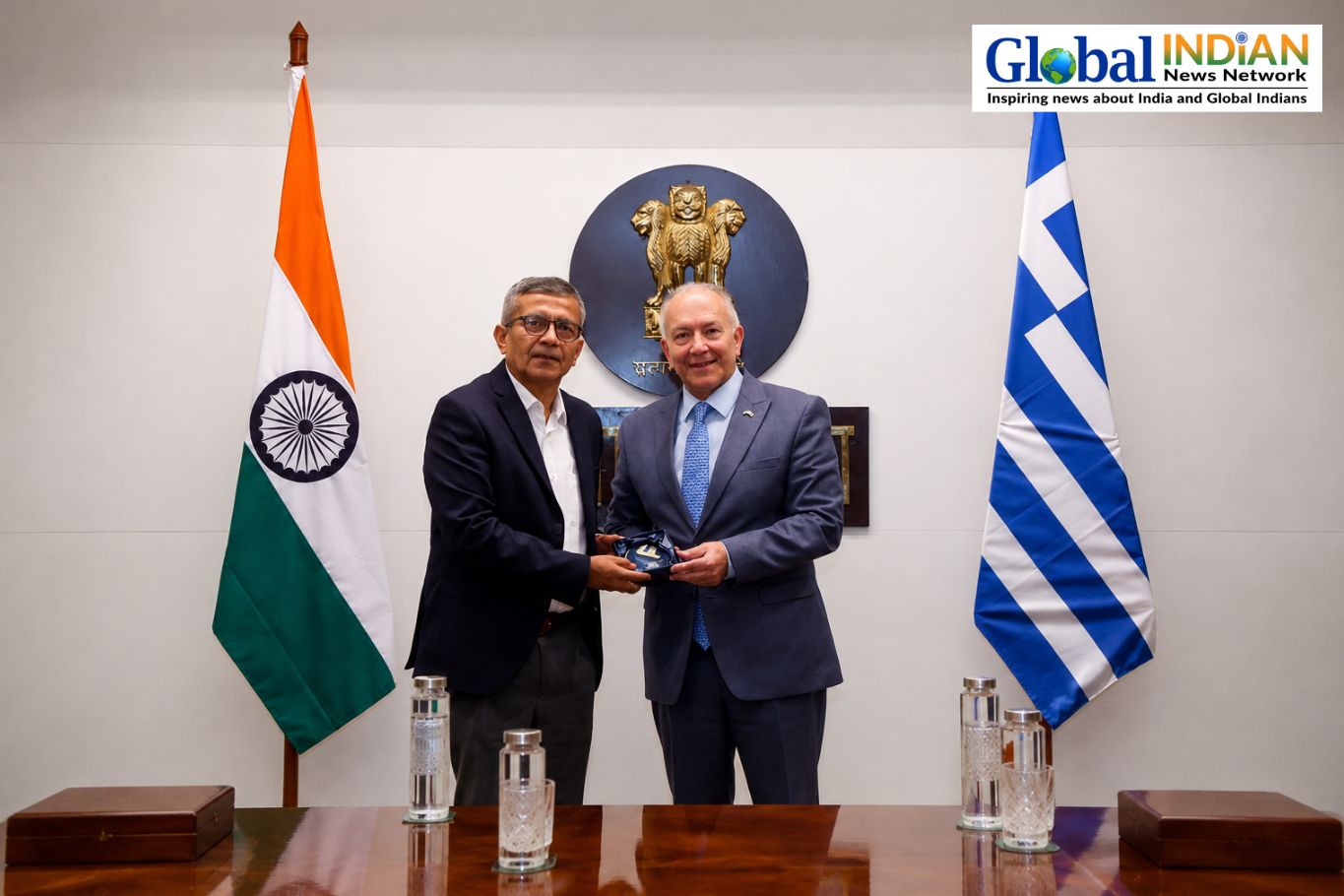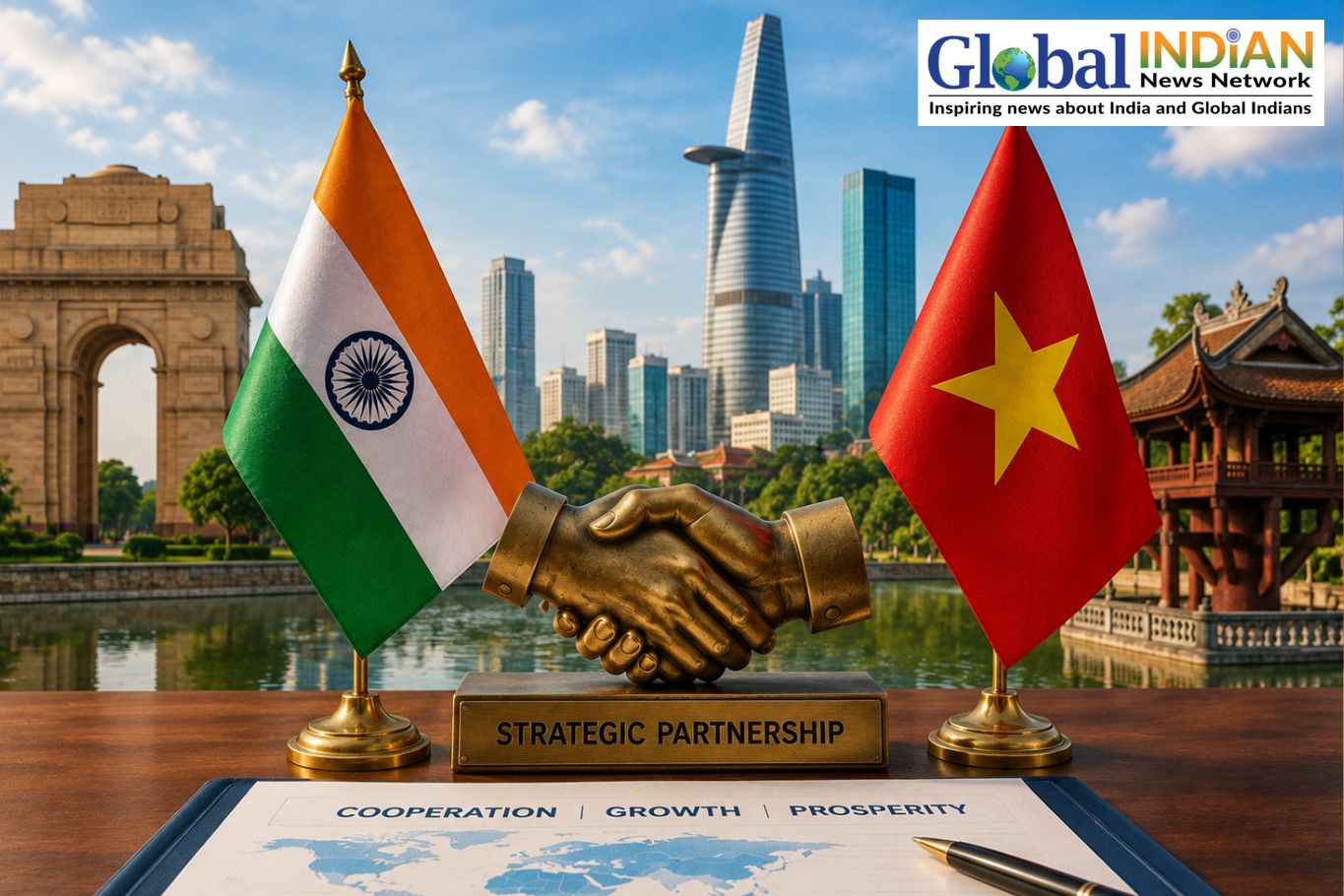
India and Vietnam are continuing to deepen their longstanding relationship, with Indian Ambassador to Vietnam Tshering W. Sherpa describing the two nations as forward-looking partners capable of turning challenges into opportunities. In an article published in Vietnam News, Sherpa emphasized that mutual trust, respect, goodwill, and strong people-to-people connections remain central to the partnership.
As India prepares to celebrate its 80th Independence Day, the ambassador highlighted the historical and cultural foundations that have brought the two countries closer. He pointed to their shared experiences, civilizational connections, Buddhist links, and cultural exchanges as important elements in the development of bilateral relations.
Sherpa also referred to Prime Minister Narendra Modi’s vision for the relationship, emphasizing the idea that India and Vietnam should progress together and benefit from their shared partnership. He described the relationship as one that has evolved by drawing strength from each country’s experiences and complementary capabilities.
Vietnam occupies an important position in India’s regional strategy. Sherpa described the country as a key pillar of India’s Act East policy and Vision MAHASAGAR, which focuses on mutual and comprehensive advancement in security and economic growth across regions.
He also reaffirmed India’s support for ASEAN centrality and highlighted Vietnam’s participation in the Indo-Pacific Oceans Initiative. According to Sherpa, this cooperation reflects the shared interest of both nations in promoting international law, peace, stability, and sustainable prosperity across the region.
The ambassador further outlined India’s development philosophy, emphasizing that national progress should ultimately improve the lives of ordinary citizens while contributing to global prosperity. He connected this approach with the traditional Indian principle of Vasudhaiva Kutumbakam, which views the world as one family.
Sherpa also highlighted India’s growing role as a representative voice for the Global South while maintaining its commitment to strategic autonomy. He said India’s international engagement seeks to balance its national interests with broader contributions to global development.
Reflecting on the countries’ modern histories, Sherpa noted that India and Vietnam emerged from colonial rule within a relatively short period of one another. Vietnam declared independence in 1945, followed by India in 1947. Their respective long-term development visions, Viksit Bharat @ 2047 and Vietnam 2045, reflect the ambitions of both nations to build prosperous and resilient societies.
Concluding his message, Sherpa extended wishes for health, happiness, and prosperity to Indians celebrating Independence Day on August 15. He also congratulated Vietnamese citizens ahead of their Independence Day on September 2, underscoring the friendship shared by the two nations.