 India’s flagship direct benefit transfer initiative, the Pradhan Mantri Kisan Samman Nidhi (PM-KISAN), continues to play a pivotal role in strengthening income stability and financial inclusion among the country’s farming households. The scheme, launched in February 2019, has steadily expanded its reach and impact, positioning itself as one of the largest farmer income support programmes globally.
On June 20, 2026, the government released the 23rd instalment under PM-KISAN, transferring more than $1.99 billion directly into the bank accounts of approximately 944 million farmer beneficiaries across the country. This included over 218 million women farmers, highlighting the scheme’s inclusive approach to rural empowerment. Since its inception, cumulative disbursements have crossed $47.09 billion through the Direct Benefit Transfer (DBT) system, ensuring that financial assistance reaches farmers without intermediaries.
Under the scheme’s structure, eligible farmer families receive $63.35 annually in three equal instalments. This income support is designed to help farmers manage essential agricultural expenses such as seeds, fertilizers, pesticides, and other farm inputs. Over time, PM-KISAN has become a critical financial cushion, especially for small and marginal farmers who depend heavily on seasonal agricultural cycles.
The Union Budget 2026–27 has further reinforced the government’s commitment by allocating approximately $6.34 billion for the scheme, ensuring its continued operation and outreach across rural India. This sustained investment reflects the programme’s importance in the broader strategy of enhancing agricultural resilience and rural economic stability.
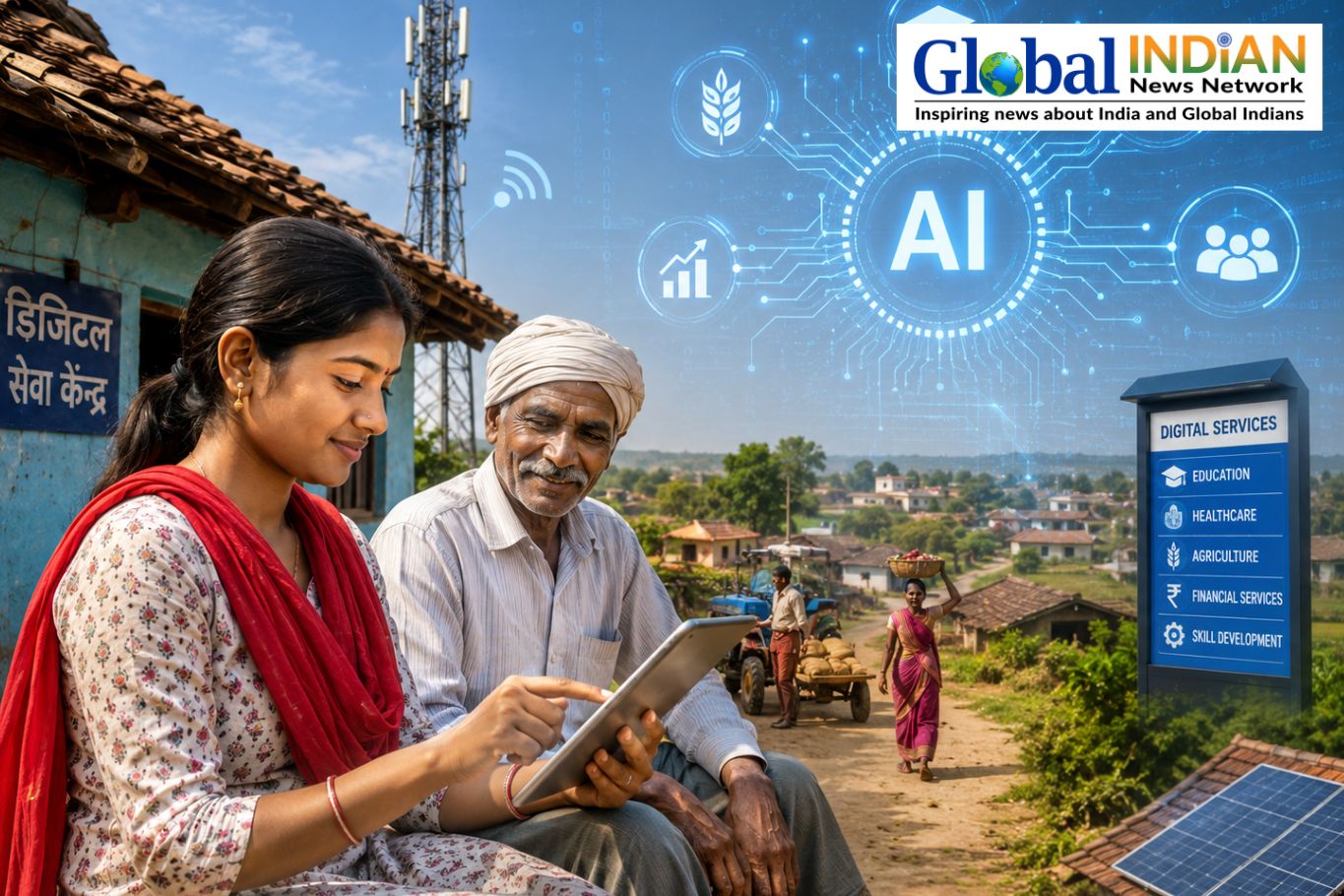
Beyond direct income transfers, PM-KISAN has evolved into a digitally driven governance model that integrates technology into welfare delivery. The scheme uses Aadhaar-based authentication, electronic Know Your Customer (e-KYC) verification, and online registration systems accessible through government portals, Common Service Centres, and mobile applications. These digital mechanisms have improved transparency, reduced leakages, and streamlined beneficiary identification.
The programme is also supported by several complementary government initiatives aimed at strengthening India’s agricultural ecosystem. These include AgriStack for digital farm records, the Pradhan Mantri Fasal Bima Yojana (PMFBY) for crop insurance protection, the National Mission on Natural Farming promoting sustainable practices, and the PM Dhan-Dhaanya Krishi Yojana focused on agricultural development.
Additionally, the AI-enabled Kisan-eMitra chatbot provides farmers with real-time assistance in multiple Indian languages, offering updates on payments, eligibility, registration, and grievance redressal. This integration of artificial intelligence into agricultural services reflects a broader shift toward technology-enabled rural governance.
Studies and policy assessments indicate that PM-KISAN has encouraged greater farm-level investment, improved productivity, and contributed to rising rural incomes. Over time, the scheme has emerged as a cornerstone of India’s efforts to modernize agriculture while ensuring inclusive growth and financial security for millions of farming families.