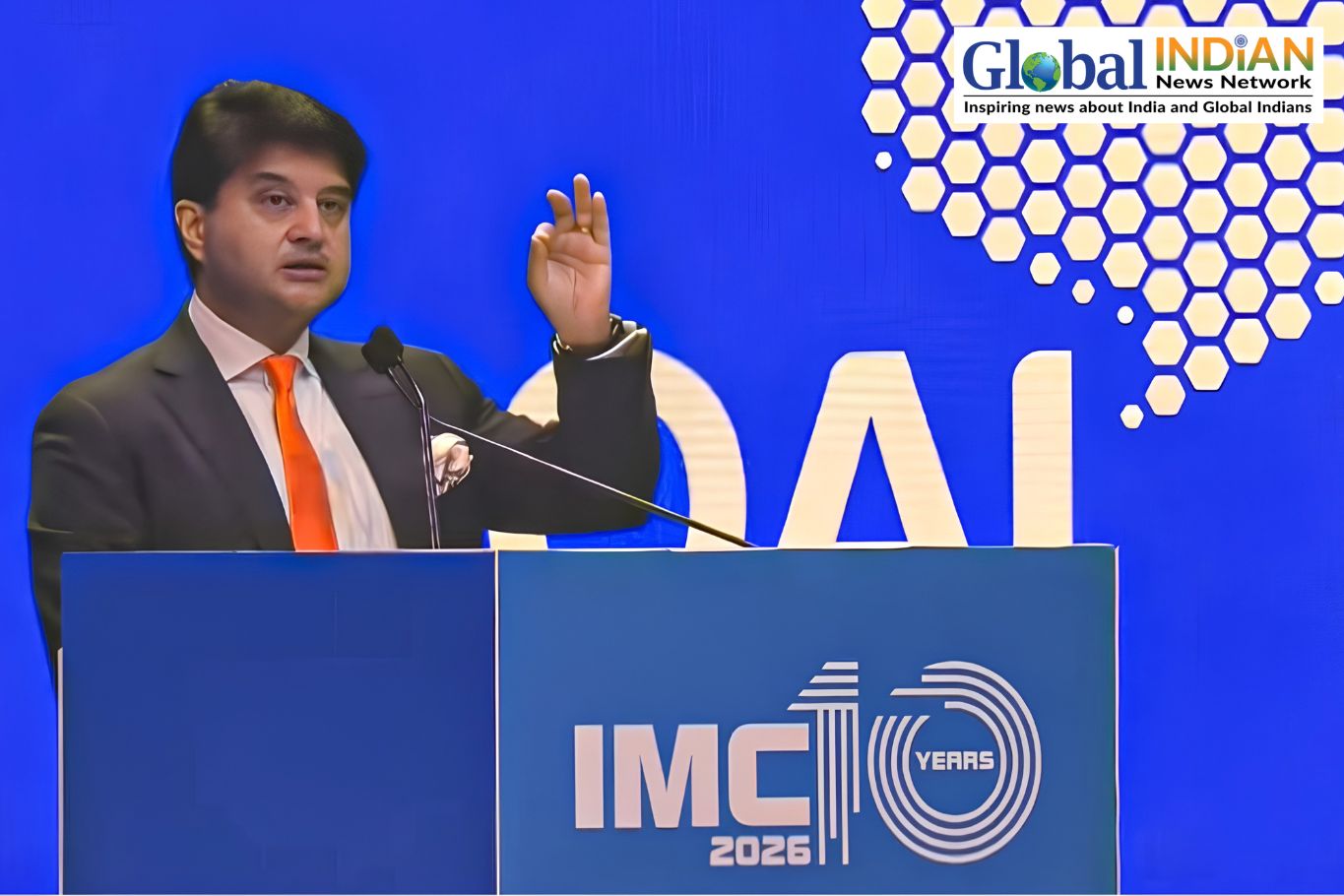
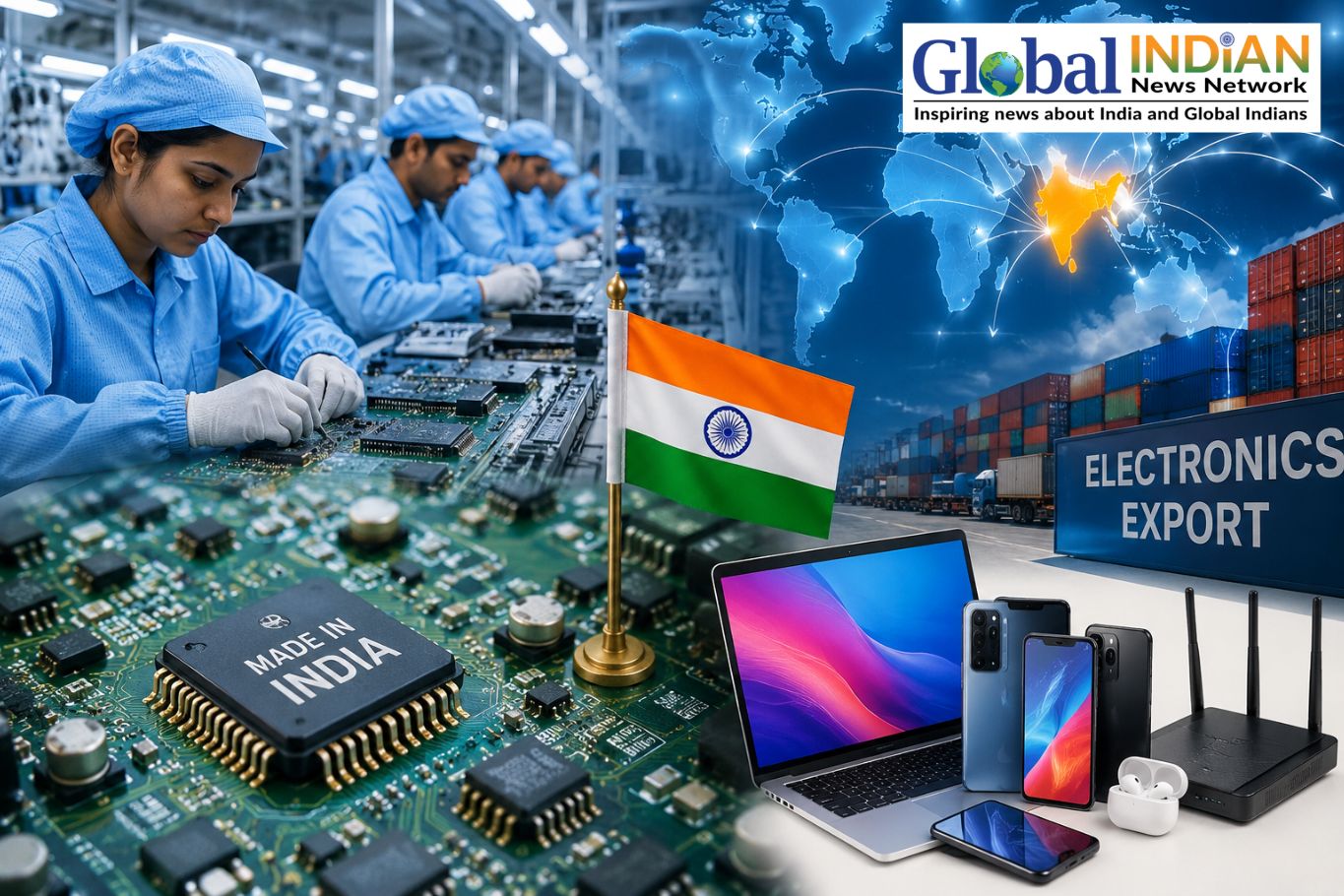
 India is rapidly establishing itself as a major force in the global electronics industry, with Union Minister Ashwini Vaishnaw announcing that the country has become the world’s sixth-largest electronics exporter. Speaking during the inauguration of a new manufacturing facility in Pune operated by US-based Jabil, the minister highlighted the significant progress achieved in expanding production capabilities and strengthening India’s role in international supply chains.
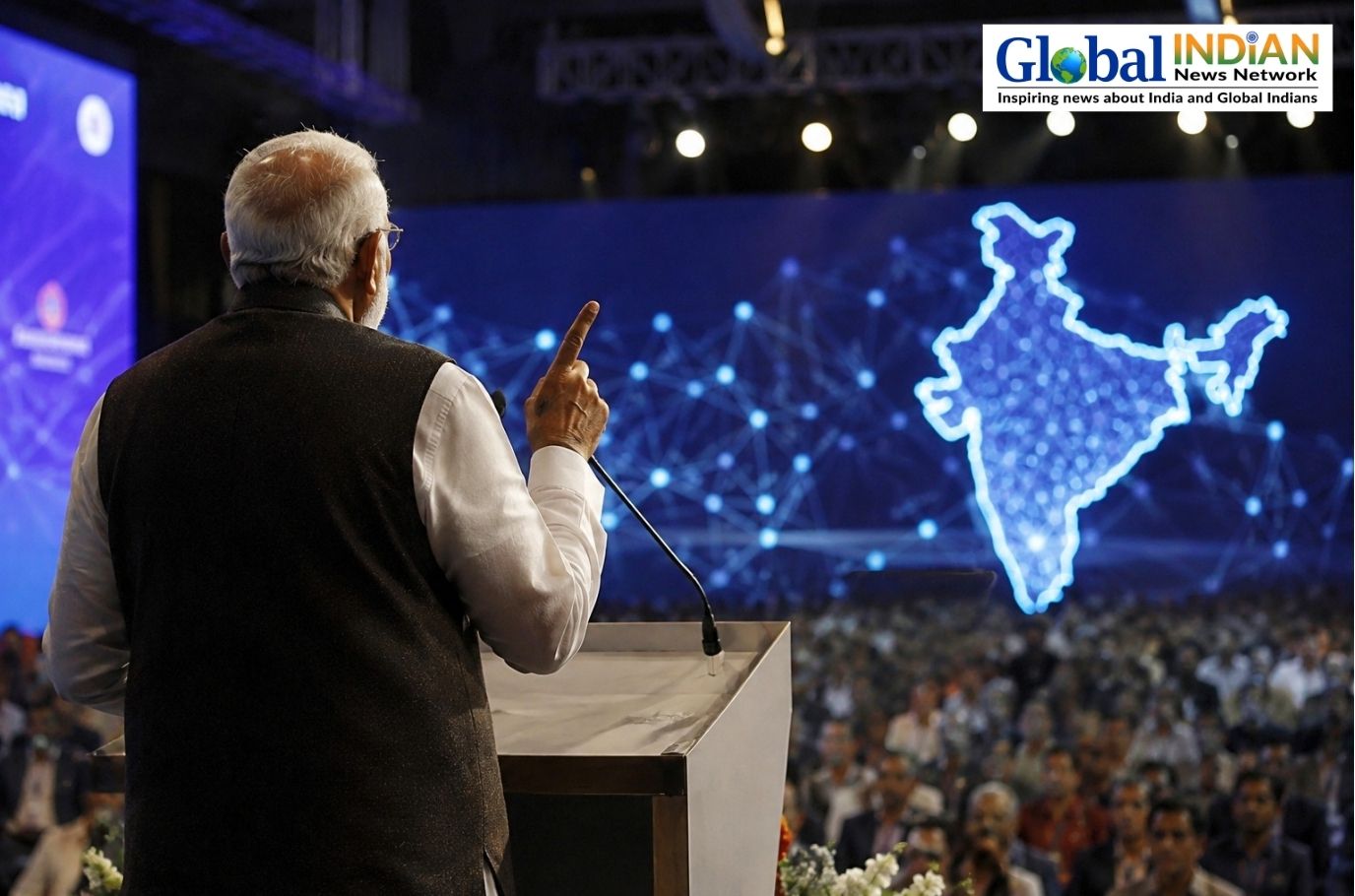
According to Vaishnaw, the country’s electronics sector has undergone remarkable transformation under the leadership of Prime Minister Narendra Modi. India has evolved into a key manufacturing center supplying products to markets across the globe. With continued investments and supportive government policies, the nation is now targeting an even more ambitious goal of becoming the world’s second-largest electronics exporter in the years ahead.
The government is simultaneously focusing on strengthening the semiconductor ecosystem, which is considered essential for long-term technological growth. Two semiconductor facilities are currently being developed, while two additional plants are expected to begin construction before the end of the year. These projects are aimed at reducing dependence on imports and establishing India as a competitive player in advanced electronics manufacturing.
Plans are also underway to start producing mechanical precision components in Pune, which will further enhance domestic capabilities throughout the electronics and semiconductor value chain. This expansion is expected to create a stronger industrial base and attract additional investment into the sector.
Maharashtra is emerging as one of the biggest beneficiaries of the country’s manufacturing push. The state has attracted significant technology investments, supported by favorable policies and modern infrastructure. Chief Minister Devendra Fadnavis noted that nearly 60% of India’s total data center capacity is located in Maharashtra, strengthening its position as a leading destination for digital infrastructure and industrial development.
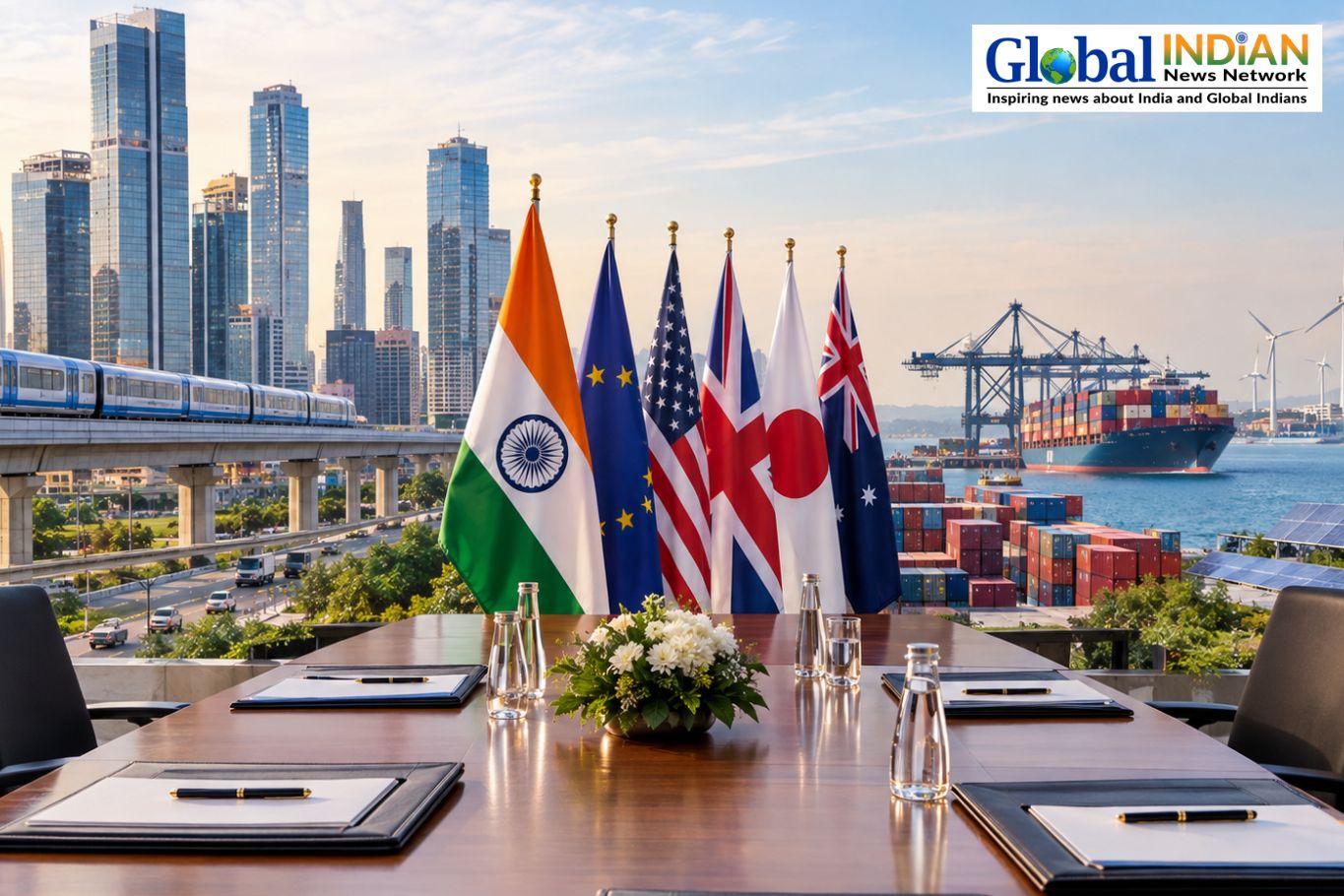
Major infrastructure projects are also expected to contribute to economic growth. The Mumbai-Ahmedabad Bullet Train project and the upcoming Wadhvan Port are anticipated to improve logistics efficiency, increase exports, and stimulate industrial activity. Together, these initiatives are expected to create one of India’s most important economic corridors, supporting the country’s ambitions to become a leading global manufacturing and technology powerhouse.