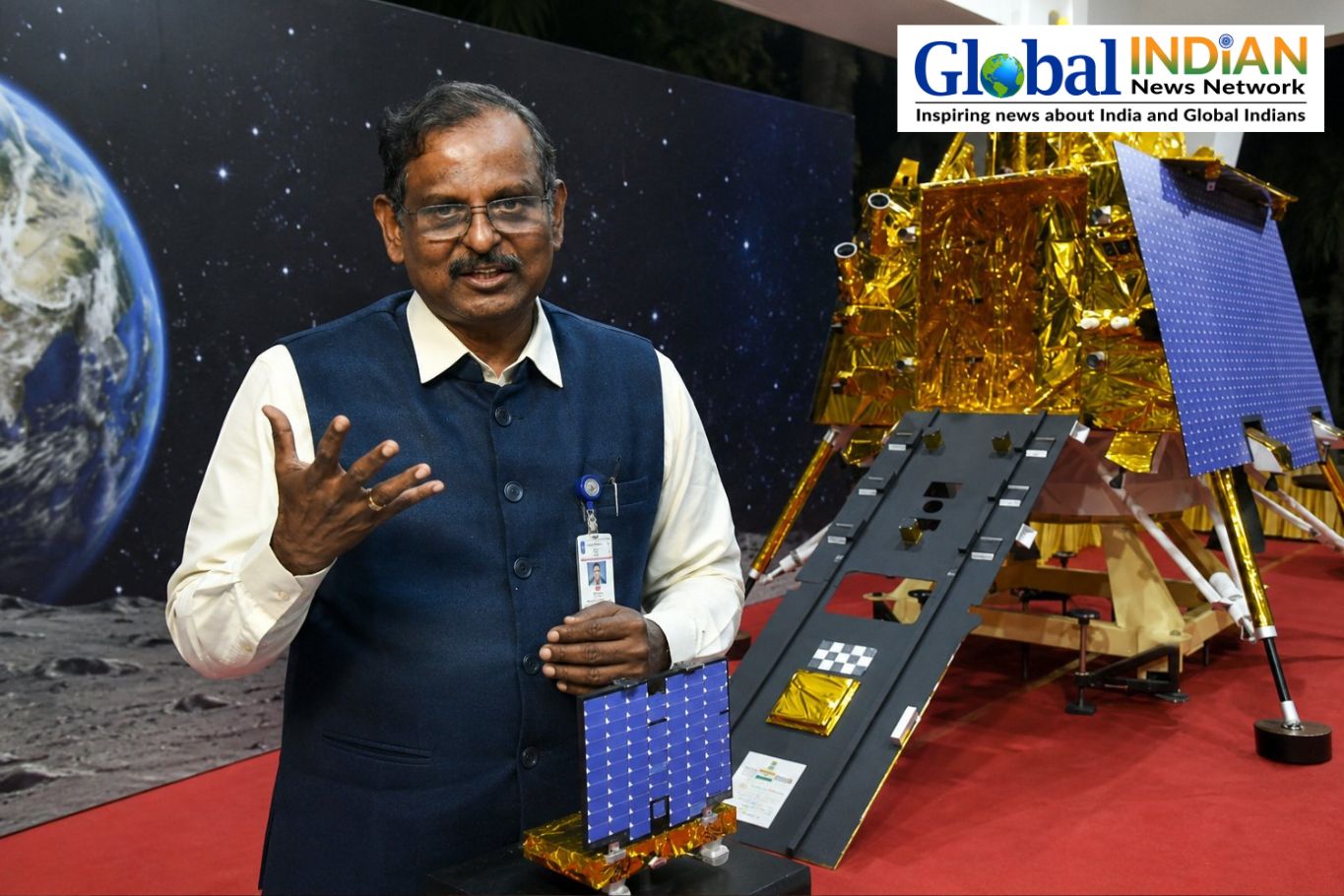
 India’s space ambitions are entering a transformative phase, with the nation preparing for a dramatic increase in satellite deployment to meet both domestic and commercial demands. Speaking at the 10th Industry Connect event organized by IN-SPACe in Ahmedabad, ISRO Chairman V. Narayanan stated that the country will require more than 200 additional satellites over the next three years. With only 56 satellites currently operational in orbit, he emphasized that achieving this target will require contributions far beyond ISRO’s own capabilities.
Narayanan underscored the importance of building a collaborative ecosystem that includes private enterprises, emerging start-ups, educational institutions, and research organizations. According to him, ISRO’s role is evolving from being the sole driver of India’s space initiatives to becoming a facilitator that nurtures innovation and supports external stakeholders. He noted that the country’s expanding network of more than 400 space-focused start-ups reflects the positive impact of policy reforms introduced in recent years.
Looking ahead, Narayanan reiterated India’s commitment to establishing an indigenous space station by 2035. The planned facility, expected to weigh approximately 52 tonnes, represents one of the country’s most ambitious long-term projects and signals India’s intention to strengthen its presence among leading spacefaring nations.
He also reflected on the remarkable evolution of India’s space journey, which began with modest sounding rocket experiments and has progressed to sophisticated planetary exploration missions and commercial launch services. Landmark achievements such as Chandrayaan-1, Chandrayaan-2, Chandrayaan-3, the Mars Orbiter Mission, and the Aditya-L1 solar mission have enhanced India’s reputation within the global scientific community. In particular, Chandrayaan-3 secured India’s place in history by accomplishing a successful landing near the Moon’s south pole.
Narayanan further highlighted India’s growing stature in the commercial launch market, recalling missions that carried substantial international payloads aboard Indian rockets. He noted that satellite technologies now support critical sectors, including telecommunications, banking, disaster preparedness, healthcare, education, and navigation services.
In another significant development, IN-SPACe signed an agreement with the Government of Tamil Nadu to establish a Common Technical Facility within the upcoming Space Vehicles Cluster at SIPCOT Allikulam. Designed for manufacturing, testing, and integrating launch vehicle systems, the shared infrastructure aims to strengthen India’s production capabilities through coordinated efforts between central and state authorities.
The Ahmedabad gathering brought together policy experts, industry representatives, and entrepreneurs, reflecting the collective momentum behind India’s aspirations to expand its footprint in the rapidly evolving global space economy.