 India’s evolving energy diplomacy has emerged as a cornerstone of its strategic autonomy, enabling the country to navigate complex geopolitical dynamics while safeguarding its economic and energy security interests. According to a recent report, New Delhi has successfully transformed its energy engagement model from a traditional resource acquisition strategy into a broader geopolitical framework built on diversification, connectivity, financial innovation, and energy-transition partnerships.
The report identifies supplier diversification as a key pillar of India’s approach. By sourcing crude oil and natural gas from more than 40 countries, India has reduced dependence on any single supplier while maintaining flexibility in a rapidly changing global environment. This strategy has enabled the country to sustain energy ties with a wide range of partners, including major Gulf producers and Russia, while continuing to strengthen relations with Western economies.
Analysts note that this diversified sourcing framework has allowed India to preserve competitive pricing and secure stable supplies, particularly during periods of geopolitical uncertainty. The strategy has also enhanced India’s ability to make independent economic decisions without excessive vulnerability to external pressures.
Another important component of India’s energy diplomacy is its investment in regional and international connectivity projects. Initiatives such as the International North-South Transport Corridor (INSTC) and the India-Middle East-Europe Economic Corridor (IMEC) are aimed at creating alternative trade and logistics routes, reducing dependence on traditional chokepoints, and improving access to global markets.
The report highlights that these connectivity projects not only strengthen trade resilience but also contribute to long-term energy security by expanding transportation options and diversifying supply channels. Strategic infrastructure investments in regions such as Oman and the Caspian area are viewed as critical elements of this broader vision.
Financial innovation has also played a significant role in India’s energy strategy. Efforts to explore alternative settlement mechanisms and reduce reliance on conventional payment systems have expanded the country’s flexibility in conducting international trade. Measures facilitating transactions in local currencies have been viewed as steps toward enhancing financial resilience in global energy markets.
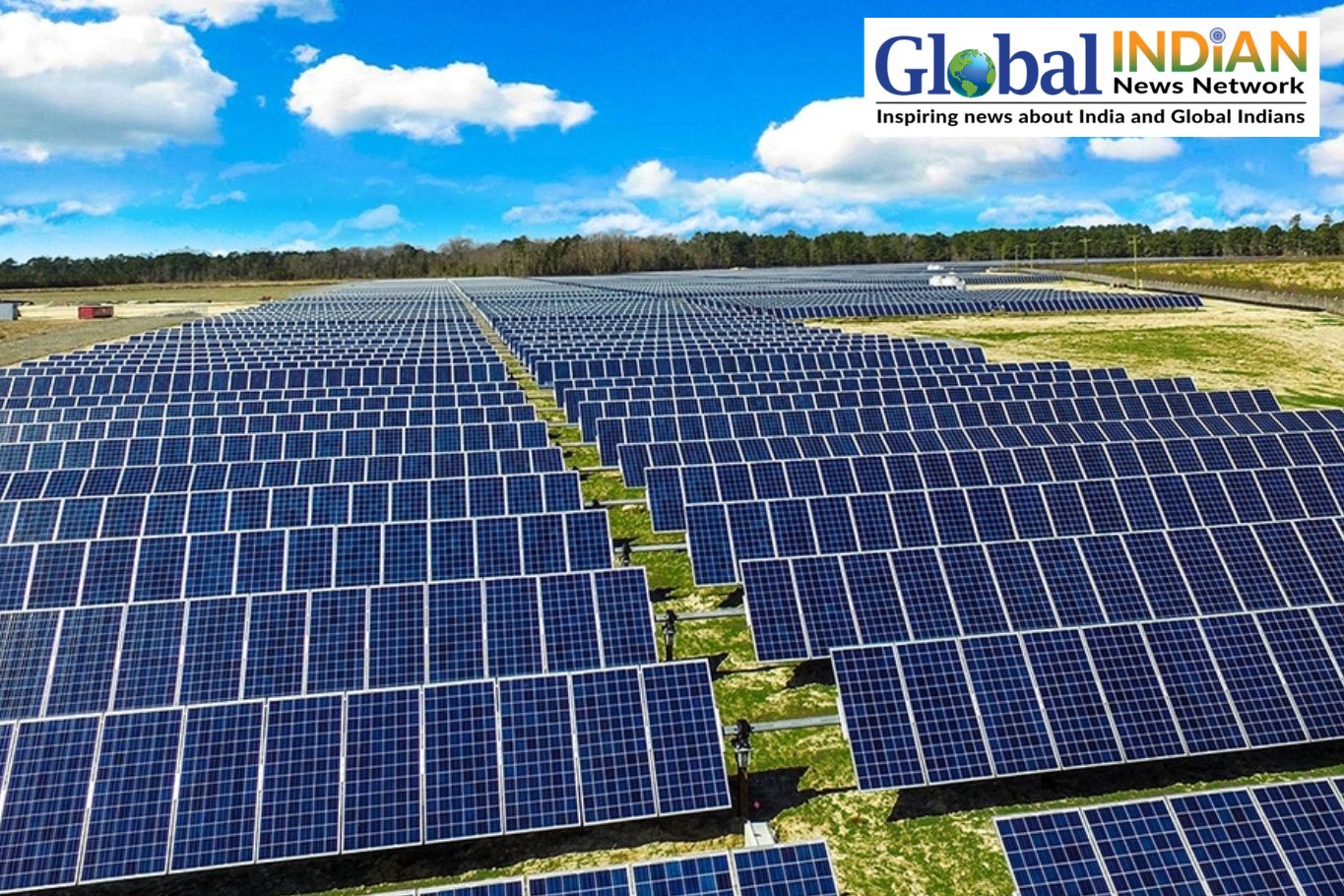
Alongside these initiatives, India has accelerated its transition toward cleaner energy sources. The country’s non-fossil fuel installed power generation capacity reached 283.46 gigawatts by March 2026, representing substantial growth over the past decade. This expansion reflects India’s commitment to balancing energy security with climate goals and sustainable development objectives.
The report suggests that future policy measures could further strengthen India’s energy position. Recommendations include expanding strategic petroleum reserves, enhancing energy settlement frameworks with key partners, and supporting demand creation for emerging sectors such as green hydrogen.
Particular emphasis has been placed on developing robust domestic demand for green hydrogen through procurement mandates in sectors such as fertilisers and refining. Such measures could provide stronger market signals, accelerate project development, and support India’s ambitions to become a major player in the global clean energy economy.
As global energy markets continue to evolve, India’s multi-dimensional approach to energy diplomacy is increasingly being viewed as a model that combines economic pragmatism, geopolitical flexibility, and long-term sustainability. The strategy underscores the country’s efforts to secure reliable energy supplies while strengthening its position in an increasingly interconnected and competitive global landscape.