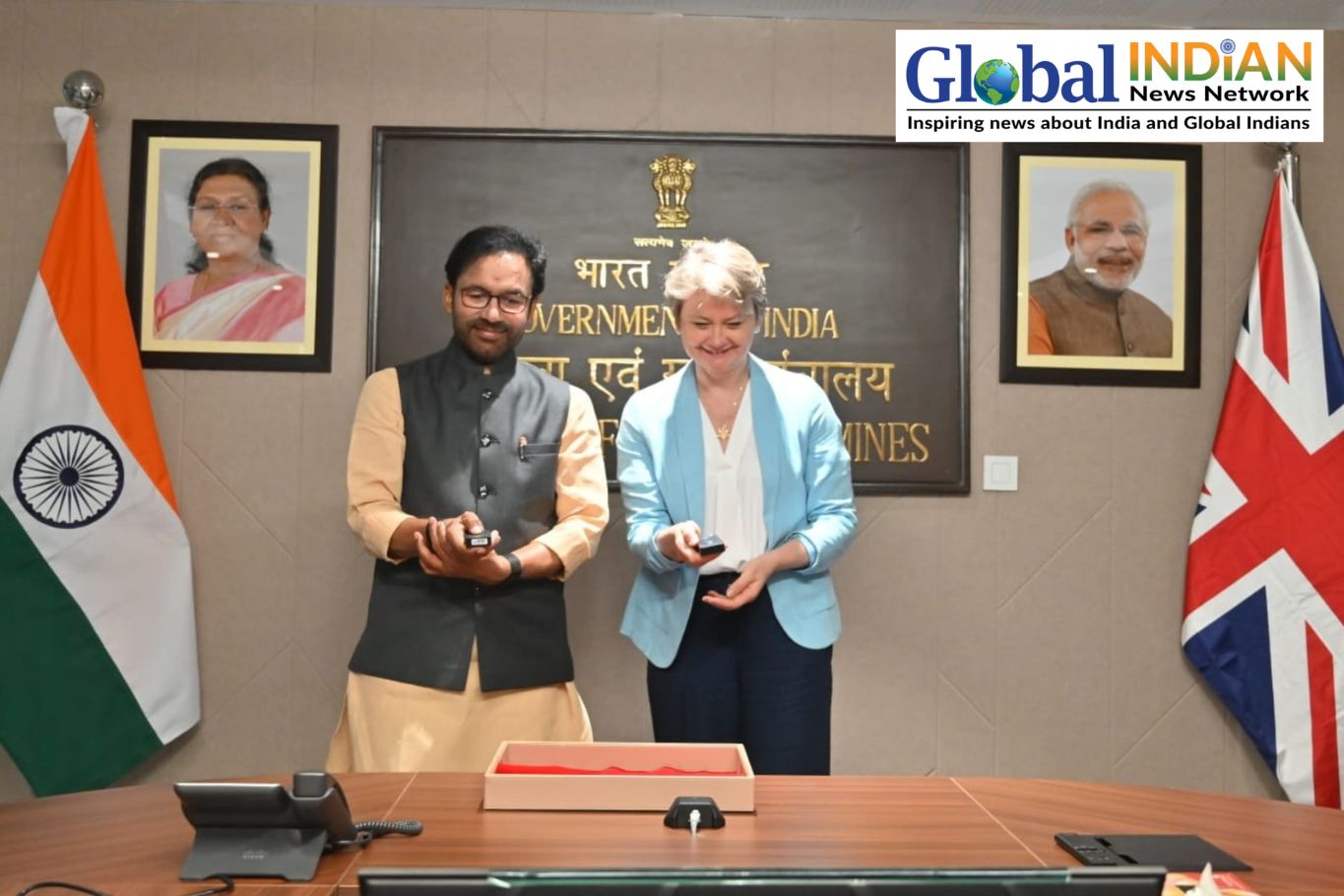
 India and the United Kingdom have jointly launched the Critical Minerals Global Supply Chain Observatory (GCSO), marking a major step forward in bilateral cooperation aimed at strengthening supply chain resilience and securing access to strategic resources essential for future industries.
The initiative reflects the growing partnership between the two countries in the critical minerals sector, which has become increasingly important for clean energy transitions, advanced manufacturing, electric mobility, and emerging technologies. The observatory is designed to provide data-driven insights and intelligence to support informed policymaking and long-term supply chain security.
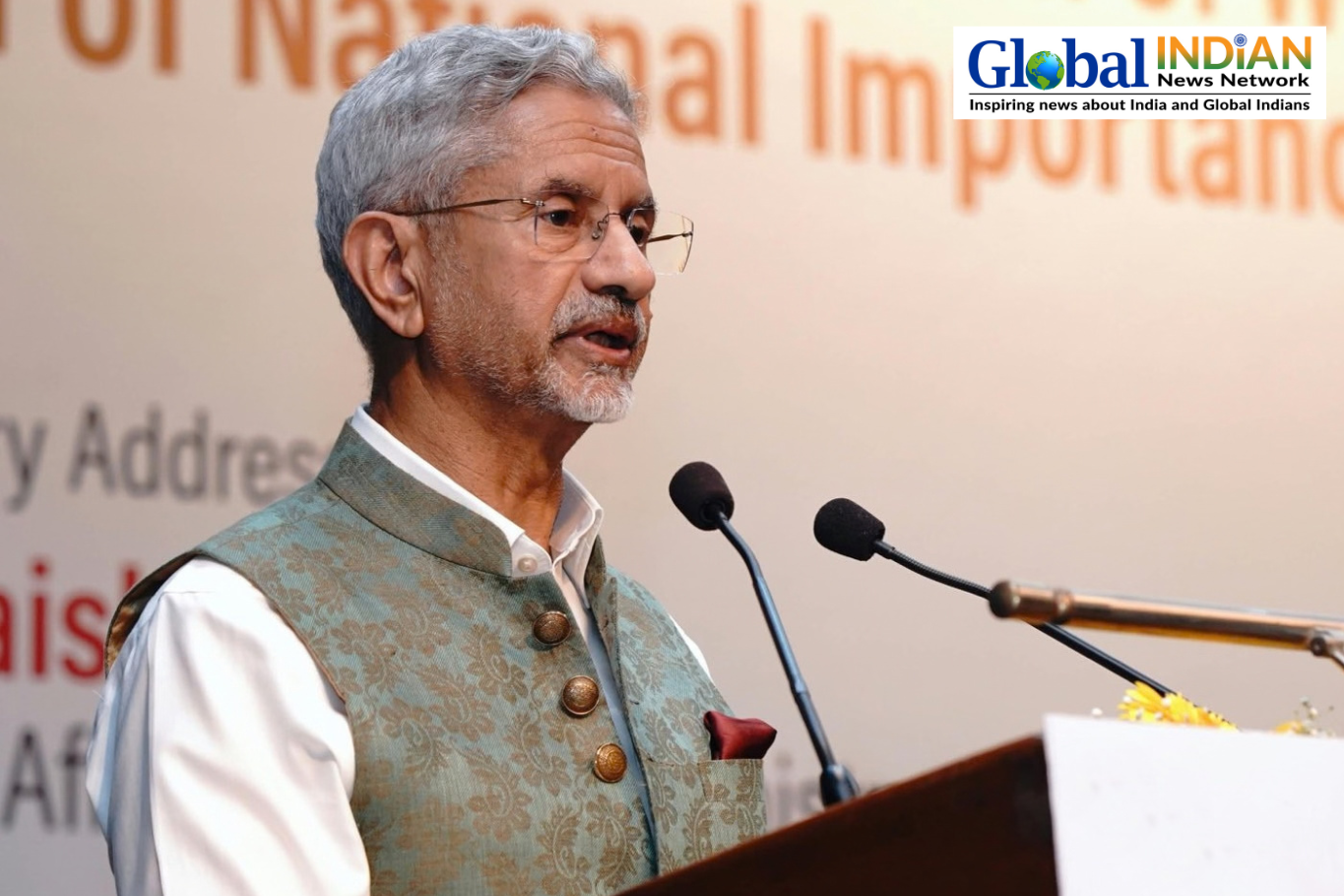
Speaking at the launch, Union Minister for Coal and Mines G. Kishan Reddy highlighted the strategic importance of critical minerals in modern economies. He emphasized that these resources are indispensable for renewable energy technologies, high-tech manufacturing, electric vehicles, and several sectors of national significance. According to the minister, the observatory will strengthen India’s ability to monitor global mineral supply chains, identify risks, and support evidence-based decision-making under the National Critical Mineral Mission.
The initiative also underscores India’s commitment to building diversified and resilient mineral value chains while expanding cooperation with trusted international partners. The observatory is expected to play a significant role in enhancing transparency and improving understanding of global supply trends, market developments, and potential disruptions.
UK Foreign Secretary Yvette Cooper described the collaboration as an important step toward developing resilient, diversified, and sustainable supply chains for critical minerals. She noted that improved access to critical resources and enhanced information-sharing mechanisms are in the mutual interest of both countries and can contribute significantly to economic growth, industrial competitiveness, and supply chain security.
The observatory is a joint initiative between TEXMiN, a technology innovation and mining research foundation established at the Indian Institute of Technology (ISM) Dhanbad, and the University of Cambridge. The platform has been developed to monitor and analyze global critical mineral supply chains through advanced research, data analytics, and collaborative expertise.
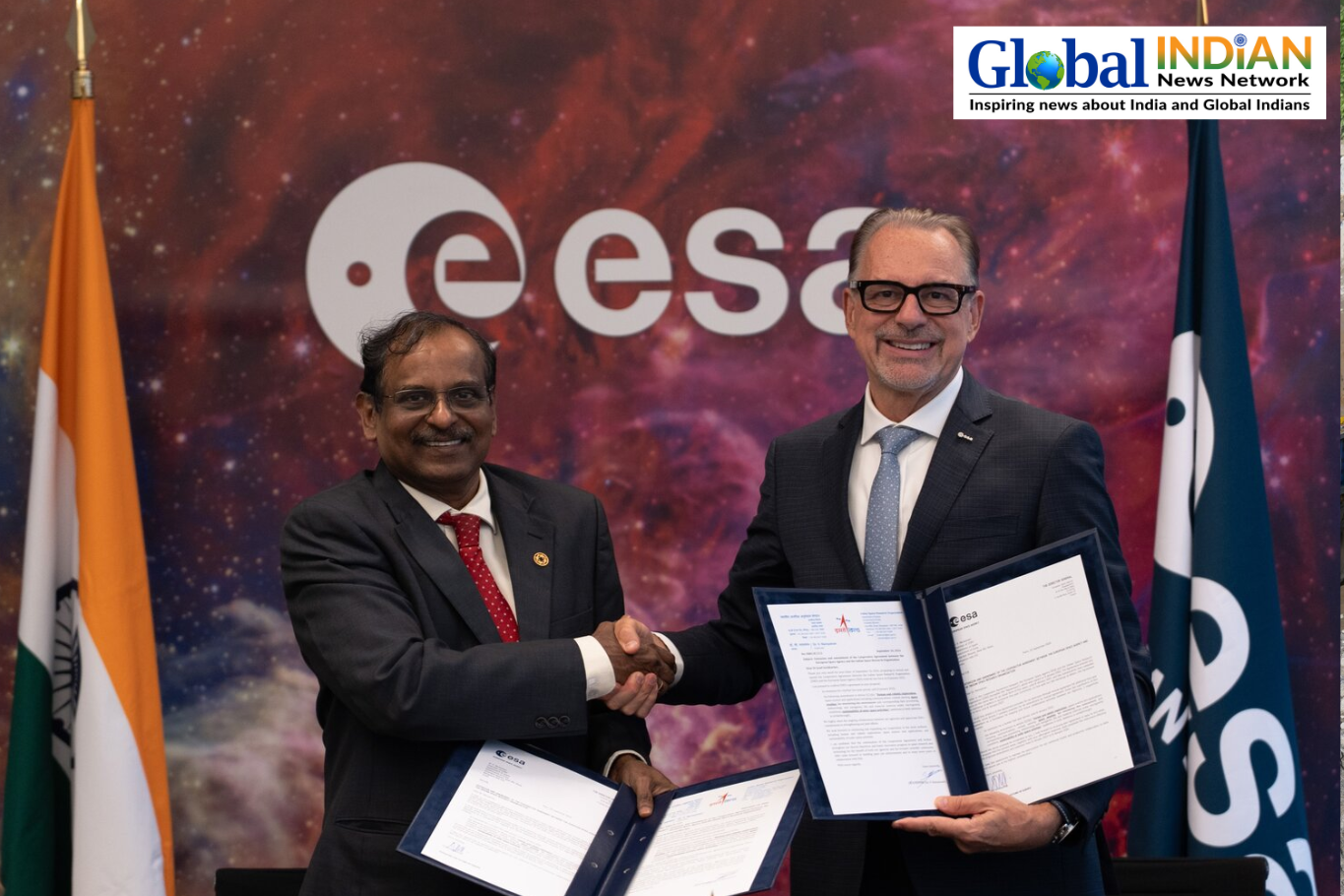
The project was first announced during bilateral engagements between the Prime Ministers of India and the United Kingdom in 2025 and was subsequently formalized through a research collaboration agreement signed in 2026. The launch represents the successful implementation of a shared vision to strengthen technological cooperation and resource security.
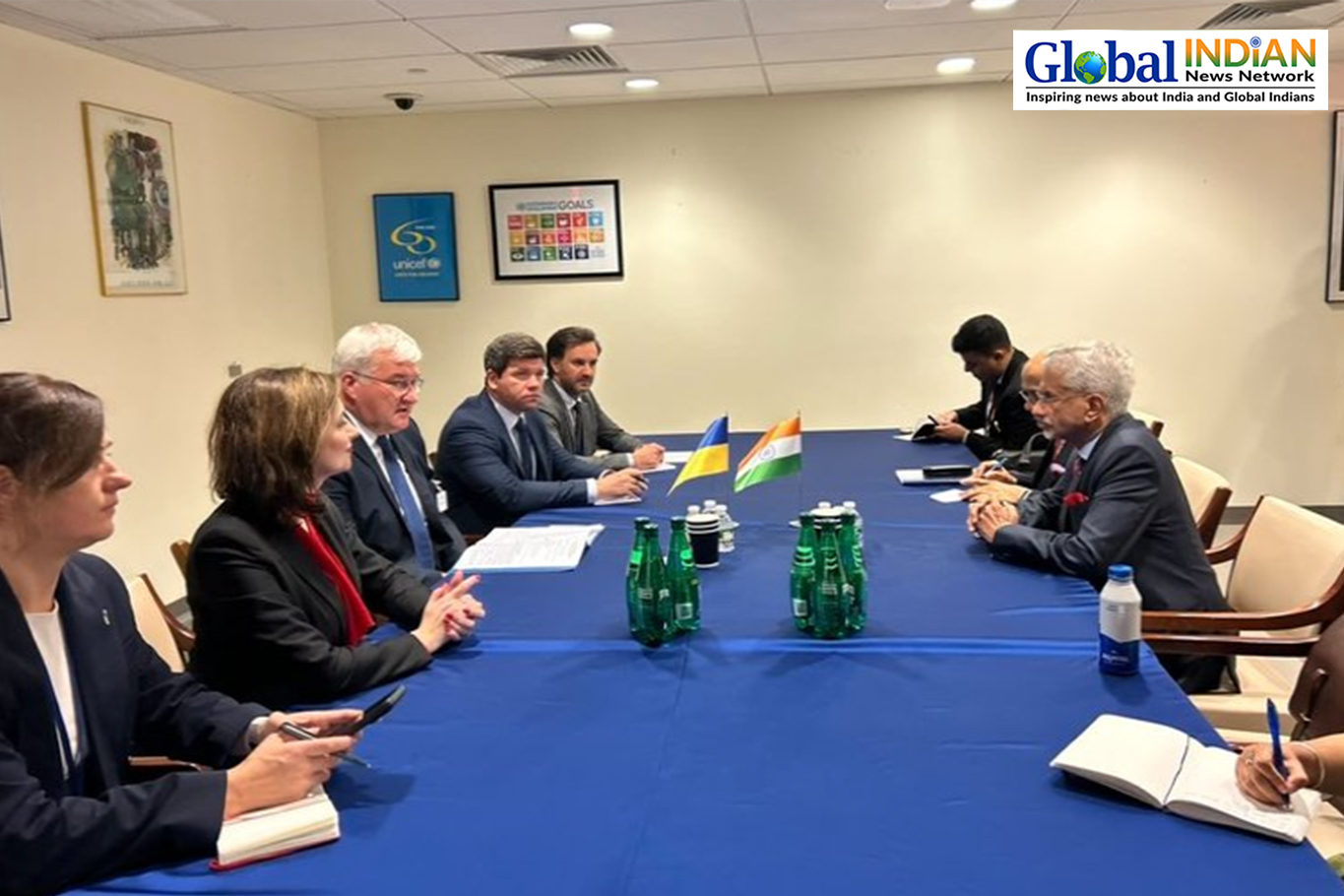
Senior officials from both governments, representatives from academic institutions, industry leaders, and research organizations attended the event. Discussions focused on the importance of international collaboration in addressing evolving challenges in the global minerals sector and ensuring sustainable access to resources required for future economic development.
An interactive demonstration of the observatory showcased its capabilities, including monitoring global supply chains, identifying supply risks and disruptions, generating market intelligence, and supporting decision-making for policymakers, researchers, and industry stakeholders.
As demand for critical minerals continues to rise worldwide, the new observatory is expected to become a key platform for strengthening India-UK cooperation, enhancing resource security, and supporting resilient and sustainable global supply chains in the years ahead.