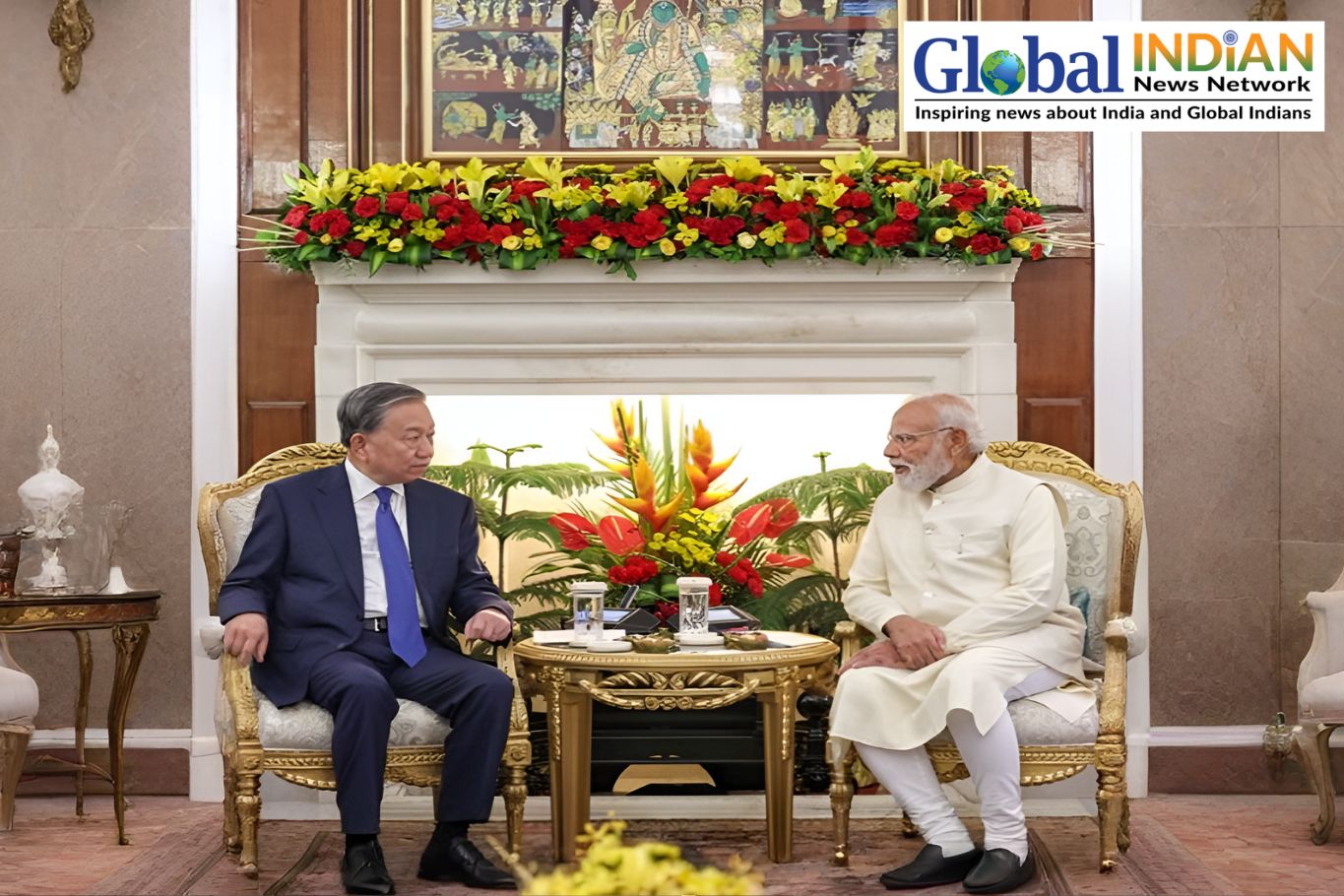
 India and Vietnam have agreed to significantly deepen their bilateral engagement by elevating their relationship to an Enhanced Comprehensive Strategic Partnership, marking a major step forward in their evolving geopolitical and defence collaboration. The decision reflects a shared commitment to translating long-standing goodwill into tangible outcomes across key strategic sectors.
During high-level discussions in New Delhi, Prime Minister Narendra Modi and Vietnamese President To Lam reviewed the full spectrum of bilateral ties and outlined a roadmap to strengthen cooperation in defence, security, and emerging technologies. Both sides acknowledged the steady progress made under existing defence frameworks and emphasized the need to further accelerate collaboration.
Defence cooperation emerged as a central pillar of the partnership, with both countries agreeing to expand engagements in areas such as joint military exercises, defence policy dialogue, intelligence sharing, and co-production of advanced defence technologies. The enhancement of defence systems procurement between the two nations is expected to further strengthen Vietnam’s capabilities while opening new opportunities for India’s growing defence industry.
The leaders also highlighted the importance of maritime security cooperation, particularly in ensuring peace, stability, and freedom of navigation in the Indo-Pacific region. Both sides reiterated their commitment to resolving disputes in accordance with international law, including the United Nations Convention on the Law of the Sea (UNCLOS), while avoiding the threat or use of force.
In addition to defence ties, the partnership will expand into areas such as capacity building, hydrography, disaster response, and peacekeeping operations. Increased naval and air force engagements, along with port calls and training exchanges, are expected to enhance interoperability and operational coordination between the two countries.
Vietnam’s role as a key partner in India’s Act East Policy was reaffirmed, with both nations recognising the strategic convergence that underpins their cooperation in the broader Indo-Pacific architecture. The two sides also expressed strong support for ASEAN centrality and committed to strengthening regional mechanisms that promote stability and inclusive growth.
The discussions further underscored a shared stance against terrorism in all its forms, with both leaders calling for coordinated international efforts to dismantle terror networks and bring perpetrators to justice. Cooperation in multilateral forums is expected to deepen, particularly on issues related to global security, trade, and development.
This elevation of ties signals a forward-looking partnership aimed at addressing both traditional and emerging challenges. By strengthening defence collaboration and expanding strategic coordination, India and Vietnam are positioning themselves as key contributors to regional stability and a rules-based international order.