 Early trends from the ongoing 2026 Assembly election counting have indicated a strong performance by the Bharatiya Janata Party (BJP) in several key states, including West Bengal and Assam, triggering celebrations among party workers and leaders. As vote counting progressed across multiple states such as Kerala, Tamil Nadu, Assam, West Bengal, and Puducherry, political momentum appeared to favor closely contested battles in some regions while showing clearer leads in others.
In Assam, the BJP-led National Democratic Alliance (NDA) established a commanding position in early trends, with leads in a majority of constituencies. Party leaders described the performance as a reflection of public trust in both Prime Minister Narendra Modi and the state leadership. Assam BJP President Dilip Saikia called the trend historic and thanked voters for their support, stating that the party remains committed to fulfilling its promises over the next term.
West Bengal emerged as one of the most competitive battlegrounds, with early figures showing a tight race between the BJP and the Trinamool Congress (TMC). Both parties were seen leading in a significant number of seats, reflecting a highly polarized contest. Reports from counting centres also indicated isolated tensions, with allegations raised by candidates regarding procedural issues during counting. Despite this, trends continued to shift throughout the day as counting rounds progressed.
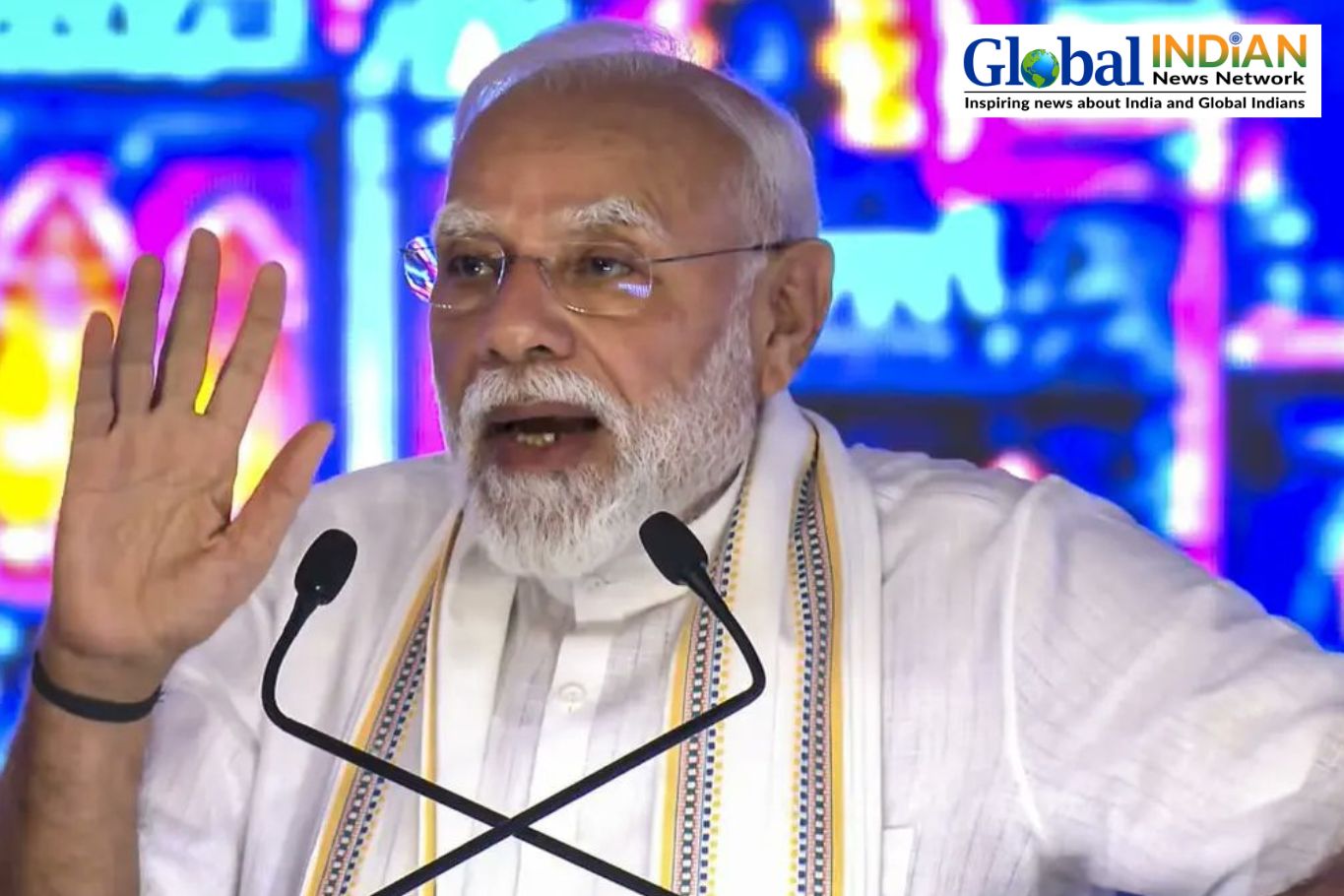
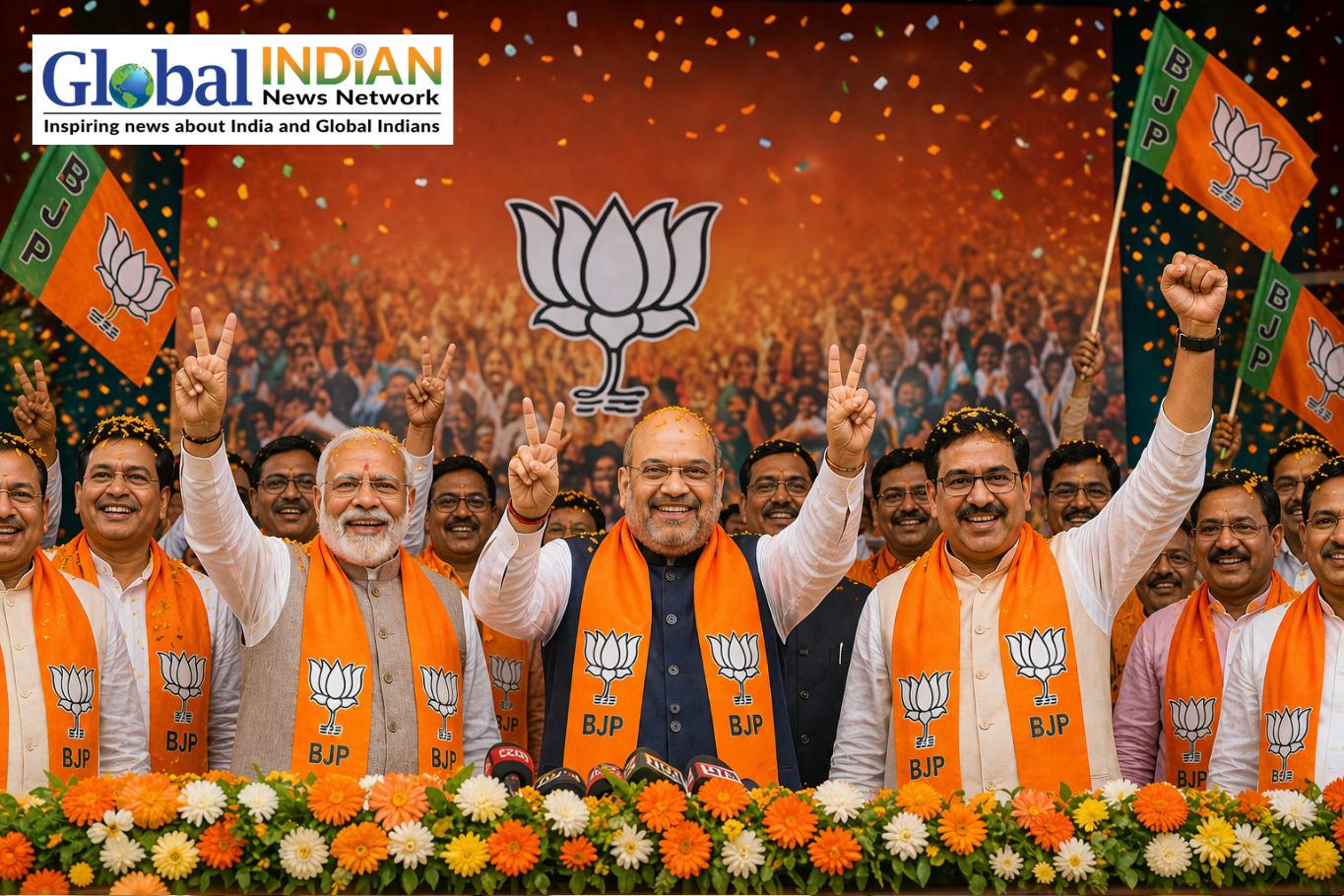
Senior BJP leaders interpreted the developments as a strong political wave in their favor. Statements from party representatives described the results as a growing mandate for the leadership of Prime Minister Narendra Modi, with some leaders calling it a “golden phase” for the party’s expansion across India. Celebrations were reported at several party offices as supporters marked the early leads with symbolic festivities.
In Kerala, early trends suggested a narrow advantage for the Congress-led United Democratic Front (UDF), while Tamil Nadu showed strong performance by emerging political entrants and established regional parties. Puducherry also appeared to be leaning toward the ruling NDA, indicating continuity in governance.
Across states, leaders from different parties reacted strongly to the evolving results, highlighting voter sentiment, governance performance, and regional political dynamics. While official final results were still awaited, the early trends pointed to a mixed but highly competitive electoral outcome across India’s key states, with significant implications for future political alignments.