 An emotionally charged exhibition in Washington, D.C. brought the devastating realities of terrorism into sharp focus, centering on the personal stories of those who lived through unimaginable loss. Titled “The Human Cost of Terrorism,” the event was held at Capitol Hill with support from the Indian Embassy, uniting voices from across continents to reflect on grief, resilience, and shared experiences.
The exhibition coincided with two significant milestones: one year since the killing of 26 civilians in Kashmir and 25 years since the September 11 attacks in the United States. Rather than focusing solely on policy or geopolitics, the event emphasized the enduring human suffering caused by such acts of violence. Survivors, officials, and lawmakers all contributed to a narrative that highlighted how terrorism reshapes lives long after the headlines fade.
Among the most powerful voices was that of a 9/11 survivor, who vividly recalled the terrifying moment the second plane struck. His emotional account underscored how deeply those memories remain etched in his daily life. Similarly, retired US Army Sergeant Chris Gruman shared his firsthand experience from inside the Pentagon. He described scenes of chaos, rescuing survivors, and recovering victims over several hours. Even decades later, he continues to deal with severe health challenges, yet remains committed to sharing his story as a tribute to those lost.
Speakers at the event repeatedly shifted from discussions of strategy to deeply personal reflections. Lawmakers highlighted not only the victims but also the families and survivors who continue to carry the burden of loss. Stories of individuals, including a young naval officer killed shortly after his wedding, served as stark reminders of how terrorism shatters lives in an instant.
The exhibition avoided comparisons between tragedies, instead presenting a universal message: the pain caused by terrorism transcends borders. Images and stories from cities like Mumbai, New York, and regions like Kashmir were displayed side by side, reinforcing a shared global experience of loss.
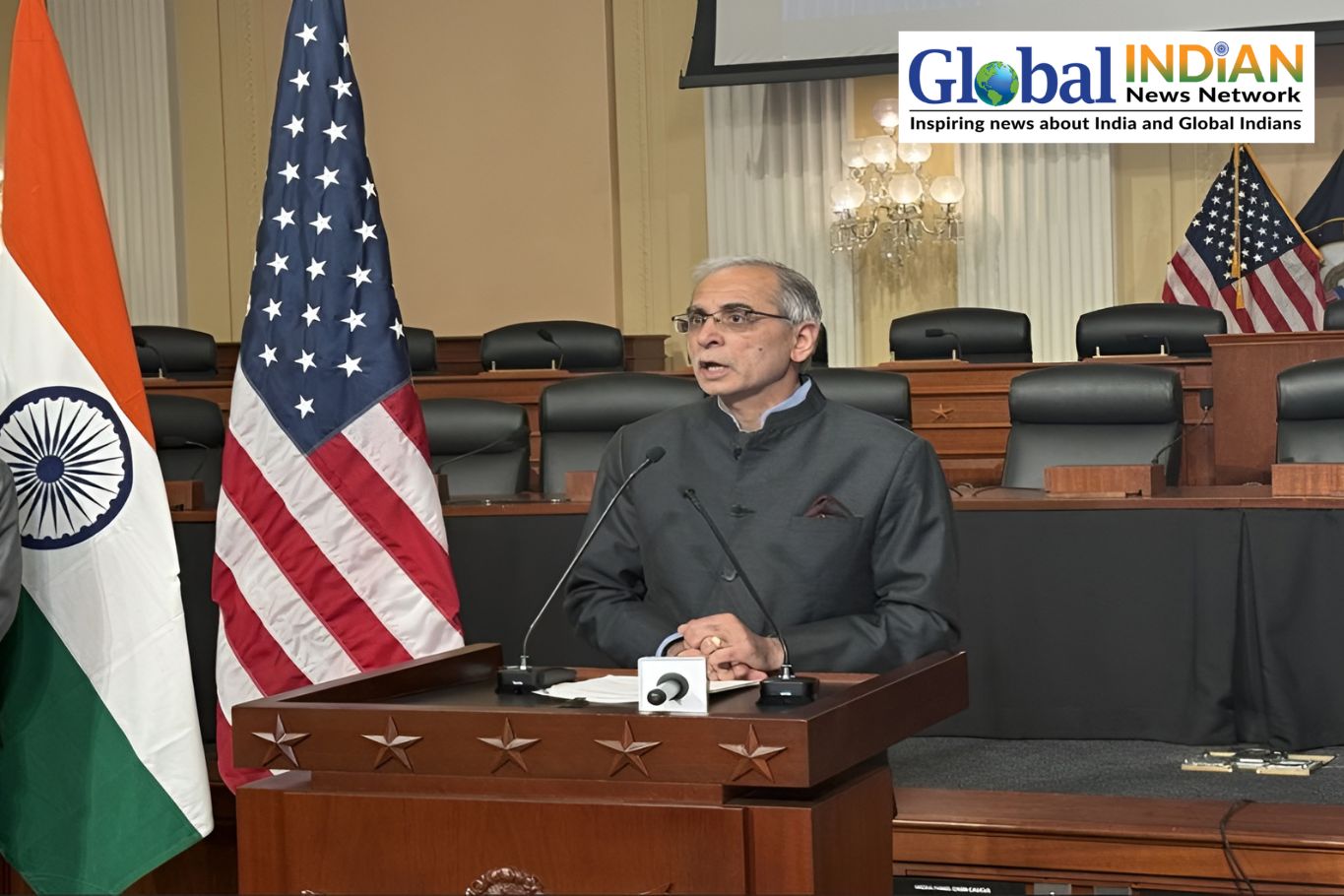
Indian Ambassador Vinay Mohan Kwatra emphasized that the initiative was both a tribute and a statement of resolve against terrorism. He highlighted the importance of collective efforts to combat such threats while ensuring that the human impact remains at the forefront of global discussions.
Lawmakers echoed calls for stronger international cooperation, intelligence-sharing, and unity among democracies. However, the exhibition itself remained rooted in human stories rather than policy debates. Visitors moved quietly through the displays, absorbing the faces, names, and memories that cannot be quantified in financial terms.
Ultimately, the event served as a reminder that terrorism’s true cost lies beyond numbers or economic estimates. It is reflected in lives disrupted, families forever changed, and memories that continue to shape survivors’ everyday existence.