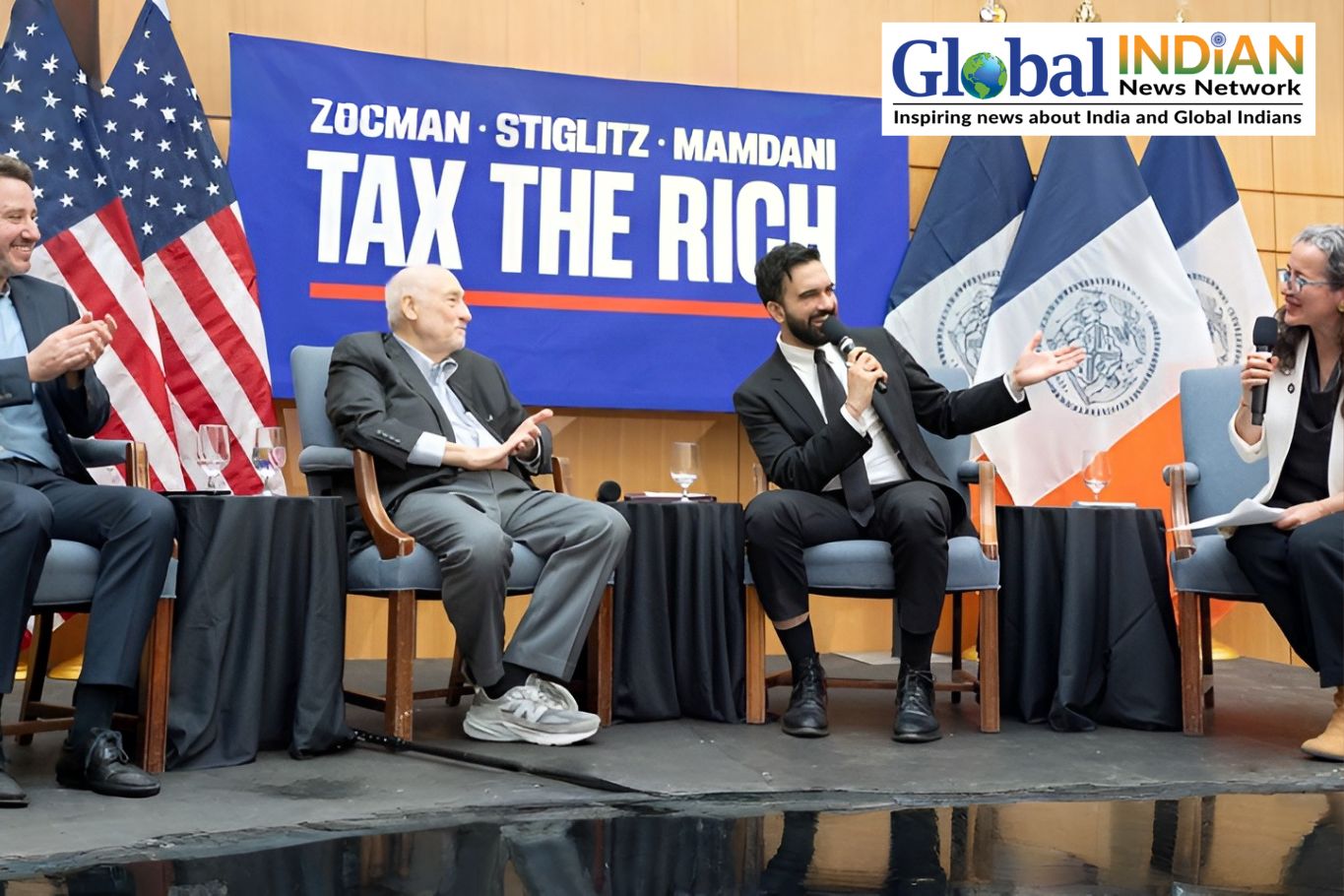
 In a major policy move aimed at addressing New York City’s financial and housing pressures, Zohran Kwame Mamdani and Governor Kathy Hochul have introduced two key initiatives focused on revenue generation from luxury real estate and cost relief for affordable housing. The proposals together aim to tackle widening inequality and rising living costs in one of the world’s most expensive cities.
The central fiscal measure is a proposed pied-à-terre tax designed to generate approximately US$ 500 million annually. The tax would apply to luxury secondary residences valued above US$ 5 million when owned by individuals whose primary residence is outside New York City. It targets high-value properties often used as investment assets rather than primary homes, particularly those owned by ultra-wealthy individuals and global investors.
Examples highlighted in the proposal include multimillion-dollar properties in Manhattan owned by high-net-worth individuals, many of which remain unoccupied for large portions of the year. Supporters argue that these assets contribute little to the city’s residential housing supply while benefiting from its infrastructure and prestige.
Mamdani described the proposal as a necessary step toward restoring fiscal balance and ensuring fair contribution from the wealthiest property owners. He emphasized that the goal is to ease the burden on working residents who are increasingly priced out of the city. Governor Hochul echoed this sentiment, stating that individuals who can afford luxury second homes should contribute more equitably to the city’s financial system.
The proposal also marks a significant political shift, as similar ideas have been discussed for years but never implemented at the state level. If enacted, it would represent a major change in how urban luxury real estate is taxed in global cities where property is often treated as a financial asset.
Alongside revenue generation efforts, the administration is also focusing on reducing housing costs through a new insurance relief program. Rising insurance premiums, which have reportedly increased sharply since 2017, have placed heavy pressure on affordable and rent-stabilized housing. The initiative aims to lower insurance costs for around 100,000 homes by 2030, with early implementation expected within the next few years.
Officials argue that reducing insurance expenses will help stabilize housing operating costs and allow greater reinvestment in maintenance and affordability programs. The policy is also expected to reduce long-term public spending pressures tied to housing subsidies. City officials describe the initiative as a necessary intervention in a strained market, with growing agreement that insurance costs have become a major structural challenge in the housing sector.