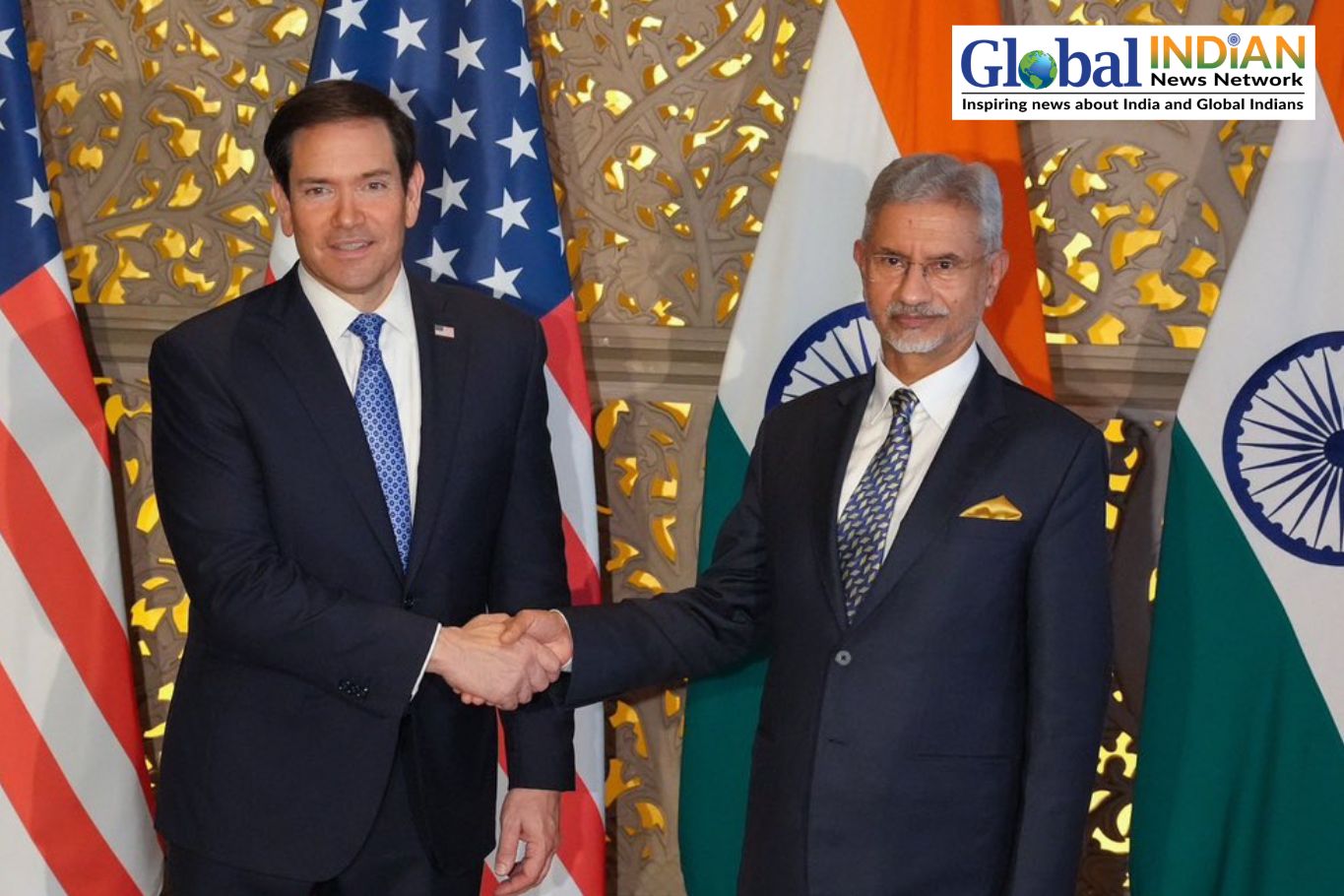
 India and the United States have commenced a fresh round of high-level trade negotiations in Washington, D.C., aiming to finalise the first phase of a proposed Bilateral Trade Agreement (BTA). The three-day talks mark a significant step in advancing economic ties between the two countries amid shifting global trade dynamics.
The Indian delegation is led by chief negotiator Darpan Jain, along with officials from key ministries including commerce, customs, and external affairs. The discussions represent the first in-person engagement between the two sides since late 2025.
A major focus of the talks is the recent reset in the US tariff regime, following a ruling that led to the introduction of a temporary flat 10 percent tariff on imports from all trading partners. This shift has prompted both sides to revisit earlier understandings, as it alters the competitive landscape for Indian exports.
India is seeking to restore the cost advantages it previously enjoyed under a preferential tariff structure, where duties on Indian goods were significantly reduced. With the new uniform tariff in place, negotiators are working to recalibrate the agreement to ensure balanced and mutually beneficial outcomes.
The proposed trade deal is expected to cover a wide range of sectors, including industrial goods, agriculture, energy, and technology. Earlier discussions included potential commitments by India to reduce tariffs on select US products and expand market access, though these provisions are now likely to be reassessed.
Another key issue on the agenda is the ongoing investigations by the Office of the United States Trade Representative under Section 301, which India has strongly contested. New Delhi has raised concerns over these probes, arguing that they could impact its manufacturing sector and trade competitiveness.
The negotiations come at a time of evolving global trade conditions, requiring both countries to align economic priorities with broader strategic interests. Officials have indicated that the current round effectively serves as a reset, providing an opportunity to redraw the contours of the agreement.
As discussions progress, the outcome of these talks is expected to play a crucial role in shaping the future trajectory of India-US economic relations, with implications for trade flows, investment, and supply chain integration.