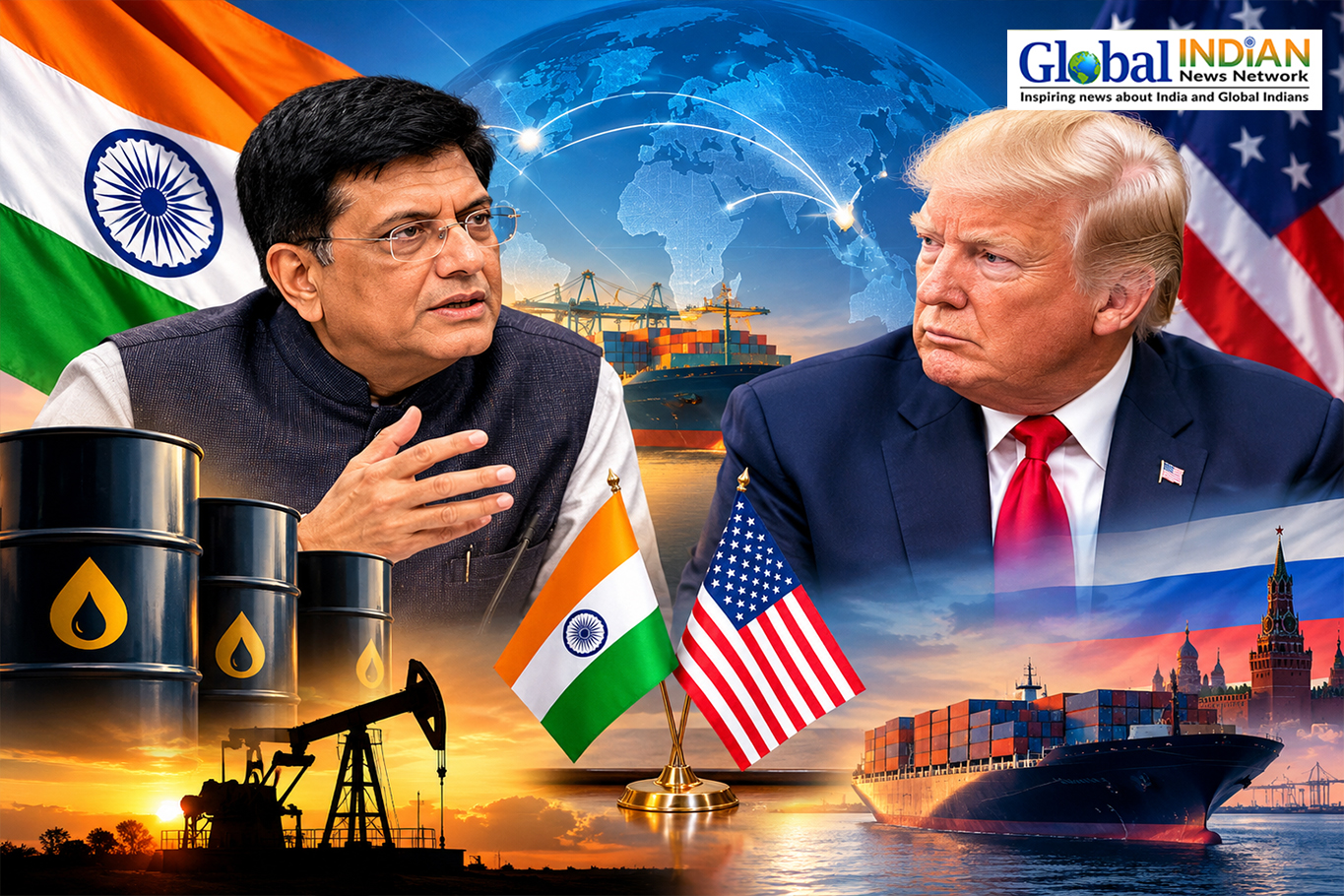
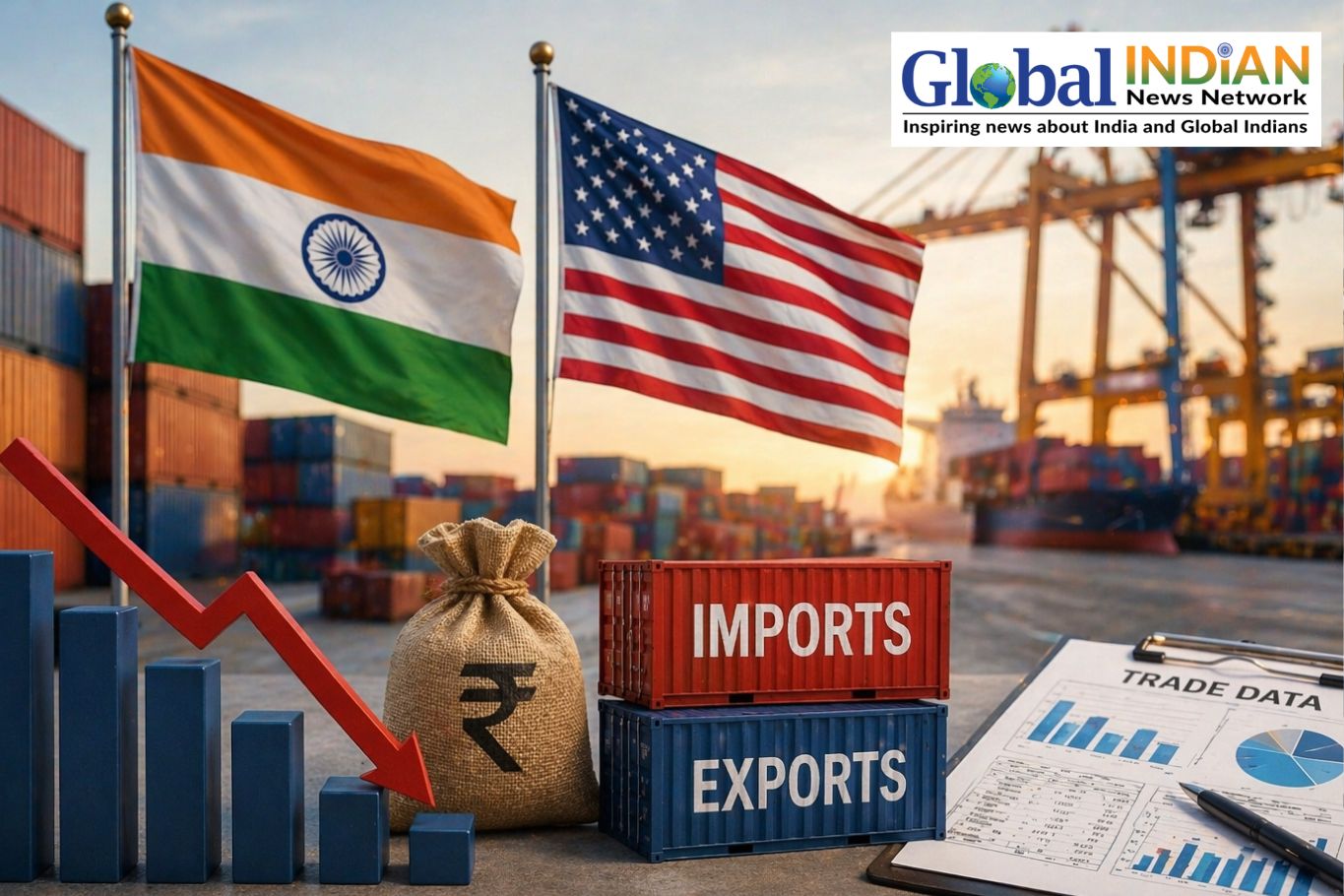
 India’s trade surplus with the United States saw a noticeable decline in the financial year 2025–26, largely due to slower export growth and a sharp rise in imports. The shift comes amid tariff measures introduced by US President Donald Trump, which have affected the pace of Indian exports.
According to official data released by the commerce ministry, India’s exports to the United States reached $87.31 billion during the year, showing only a slight increase compared to $86.51 billion in the previous financial cycle. In contrast, imports from the US grew significantly, climbing to $52.90 billion from $45.63 billion. This imbalance led to a reduction in India’s trade surplus, which dropped to $34.41 billion in FY26 from $40.88 billion in FY25.
Despite the decline in surplus, the United States remained India’s largest export destination. Other important markets included countries across Asia, Europe, and the Middle East, reflecting India’s diversified trade relationships. Notably, exports to China recorded strong growth, rising to $19.48 billion from $14.25 billion in the previous year, making it one of the fastest-growing markets for Indian goods.
At the same time, imports from China surged to $131.63 billion, significantly higher than $113.45 billion in FY25. This highlights India’s continued dependence on Chinese imports across multiple industries. Similarly, trade with the United Arab Emirates showed modest growth in exports, while shipments to certain European countries experienced slower momentum.
On the import side, China maintained its position as India’s largest supplier, followed by the UAE, Russia, and the United States. The consistently high level of imports from China underscores the structural reliance on external supply chains.
Officials also pointed to global challenges affecting trade flows. Disruptions in the Middle East significantly impacted both exports and imports during March 2026. Exports to the region dropped by $3.5 billion, reflecting a sharp percentage decline, while imports also fell by around $8.7 billion during the same period.
Overall, the data suggests that while India continues to expand its export footprint in key markets, rising imports—particularly from the US—have weighed on the overall trade balance. The evolving global trade environment, combined with tariff pressures and regional disruptions, continues to influence India’s economic outlook and trade performance.