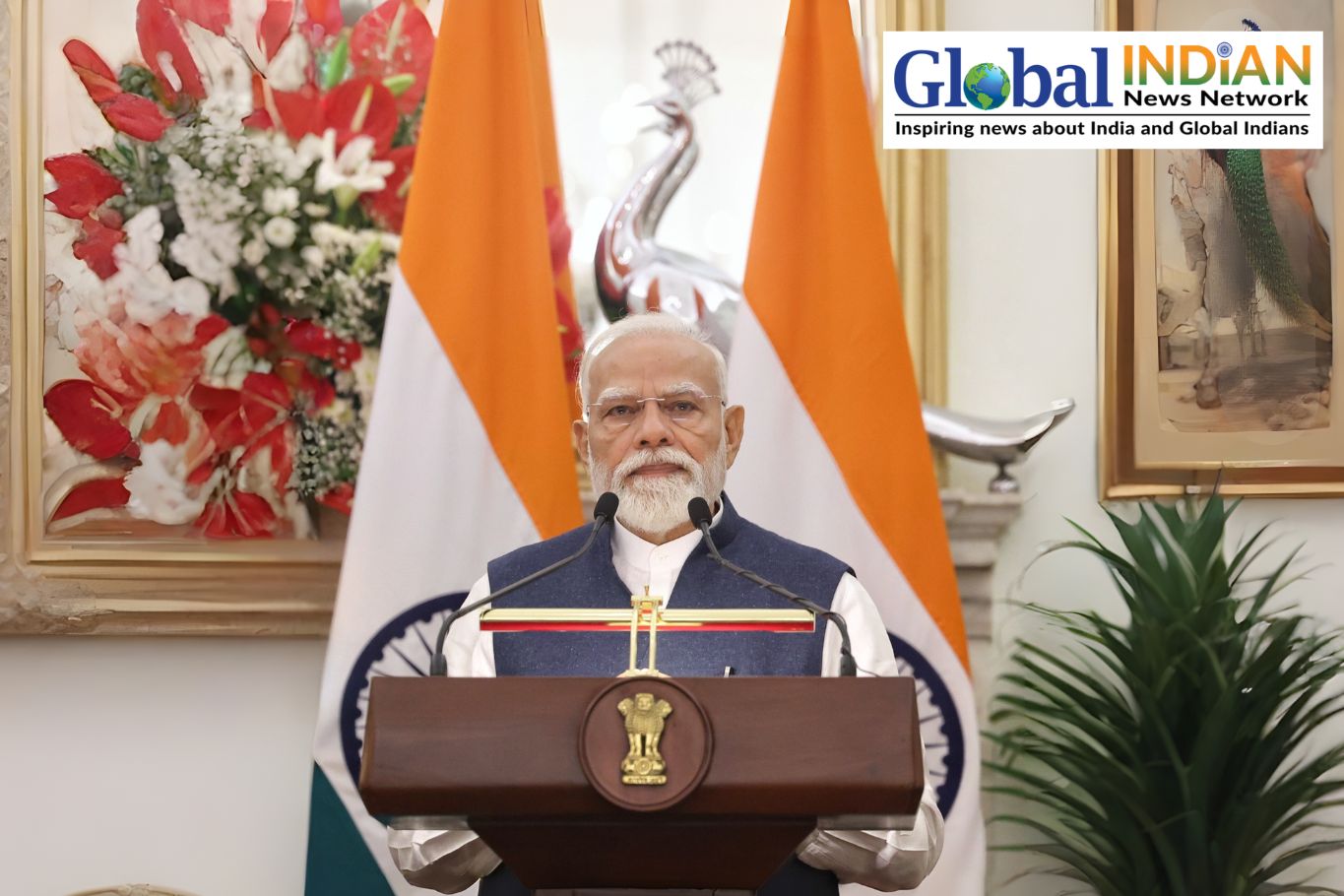
 Prime Minister Narendra Modi stated that the Women’s Reservation Bill is expected to significantly transform the direction and condition of Indian politics by ensuring greater participation of women in decision-making roles. Speaking in New Delhi, he emphasized that involving half of the population in governance would strengthen democracy and support the vision of a developed India by 2047.
He further remarked that the measure reflects a historic opportunity to reshape the country’s political landscape and encouraged all political parties to view the reform beyond partisan considerations. According to him, the growing participation of women voters has already demonstrated strong support for such initiatives.
The statement came as the Lok Sabha approved the introduction of the Constitution (One Hundred and Thirty-First Amendment) Bill, 2026, along with related legislative proposals, following a formal voting process. The motion to introduce the bill was taken up after members of the opposition demanded a recorded division instead of a voice vote.
During the proceedings, the Union Law Minister formally presented the bill in the House, marking an important step in the legislative journey of the proposed amendment. The voting process reflected significant engagement from members of Parliament, with hundreds casting their votes in favor and against the motion during different rounds of counting.
Typically, parliamentary decisions are made through voice voting; however, when disagreement arises, a division process is conducted using an electronic or manual voting system. This ensures that each member’s vote is recorded accurately under categories such as approval, rejection, or abstention.
The introduction of the bill was ultimately carried through a majority vote, reflecting strong support within the House. Parliamentary officials also explained the voting procedure in detail, highlighting the importance of transparency and accuracy in legislative decision-making.
The Women’s Reservation Bill aims to enhance the representation of women in elected bodies, marking a significant step toward inclusive governance. Supporters of the measure believe it will empower women politically and lead to more balanced participation in policymaking across the country.
Overall, the development signals a major legislative move focused on strengthening democratic participation and expanding opportunities for women in India’s political system.