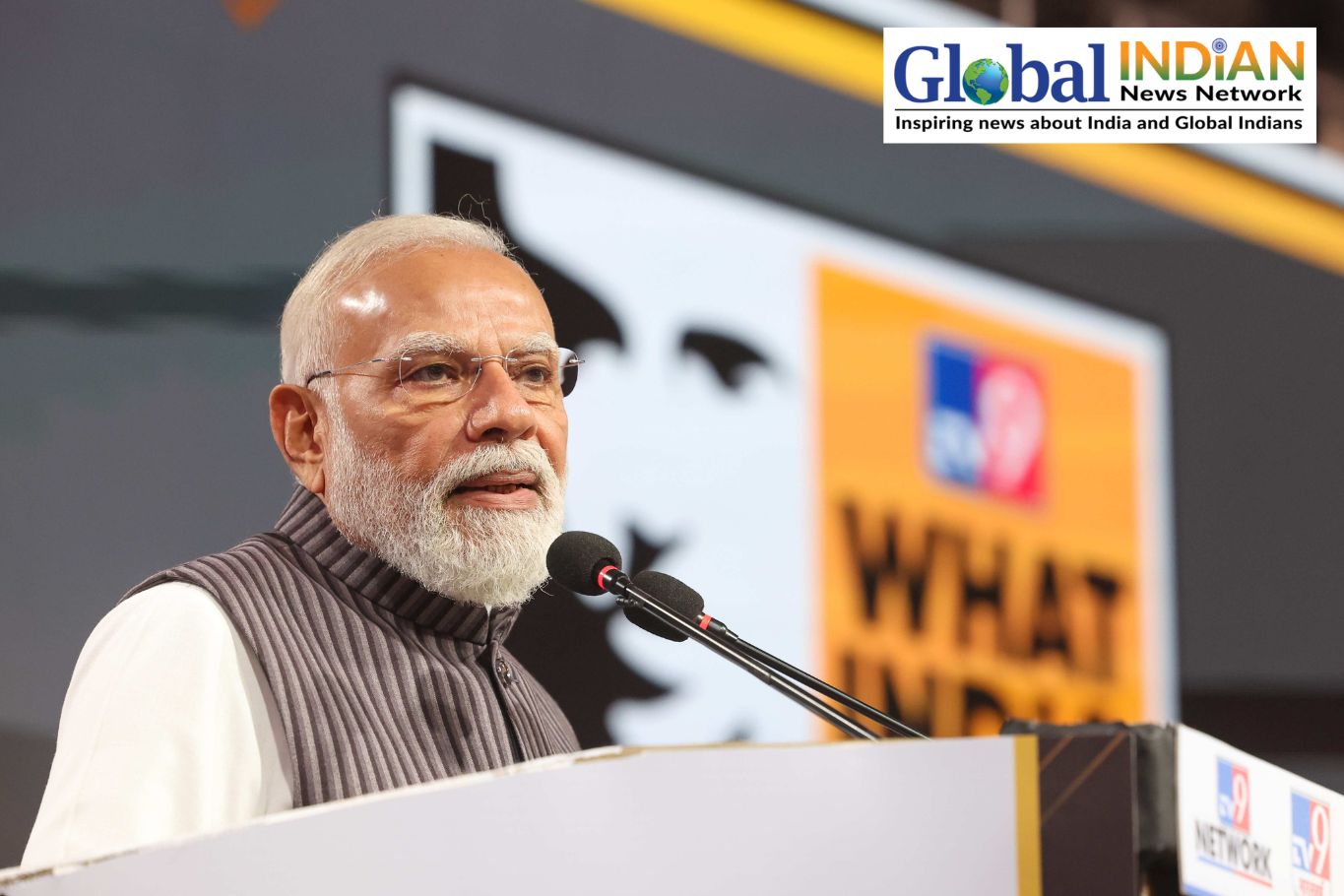
 Prime Minister Narendra Modi congratulated Balendra Shah after he officially assumed office as Nepal’s Prime Minister. In his message, Modi expressed his readiness to work closely with Shah to strengthen ties between the two countries and create shared growth opportunities for their citizens.
Shah, who leads the Rastriya Swatantra Party, took charge following a decisive election victory that reflects strong public trust in his leadership. His appointment marks a major shift in Nepal’s political landscape, with a clear move toward younger leadership and fresh perspectives in governance.
The appointment was confirmed by President Ram Chandra Paudel in accordance with constitutional provisions. Shah’s elevation came after he was chosen as the parliamentary leader of his party, paving the way for him to become Nepal’s 47th Prime Minister.
At just 35 years old, Shah is among the youngest leaders to hold the position in the country’s history. His rise symbolizes a broader generational change, as a large number of newly elected lawmakers also belong to younger age groups. This reflects evolving voter preferences and a growing demand for modern leadership.
Shah’s growing popularity began with his entry into national politics in late 2022. His influence played a key role in securing a landslide win for his party, which captured 182 out of 275 seats in the House of Representatives, establishing a strong mandate.
In a high-profile electoral contest, Shah defeated former Prime Minister K. P. Sharma Oli by a significant margin. He secured 68,348 votes compared to Oli’s 18,734, recording one of the highest vote totals in Nepal’s parliamentary history since 1991.
Before entering national politics, Shah served as the Mayor of Kathmandu after winning as an independent candidate in 2022. His governance style was shaped by his academic background in structural engineering, which influenced his focus on infrastructure development and urban planning.
Born in Kathmandu in 1990, Shah’s journey from city leadership to the country’s highest political office highlights a rapid rise driven by public support. His leadership is expected to focus on reforms, modernization, and strengthening international partnerships, including deeper cooperation with India.