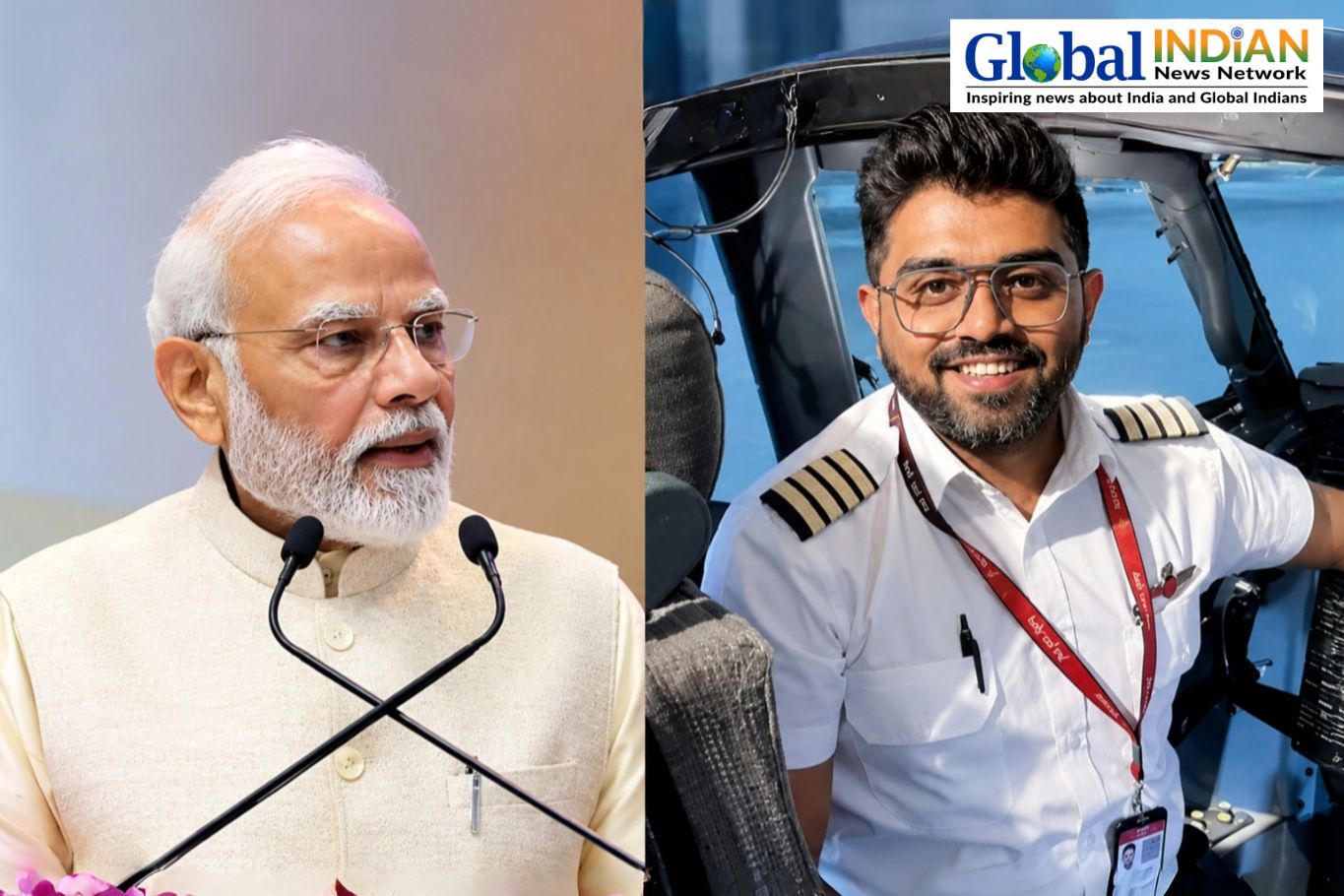
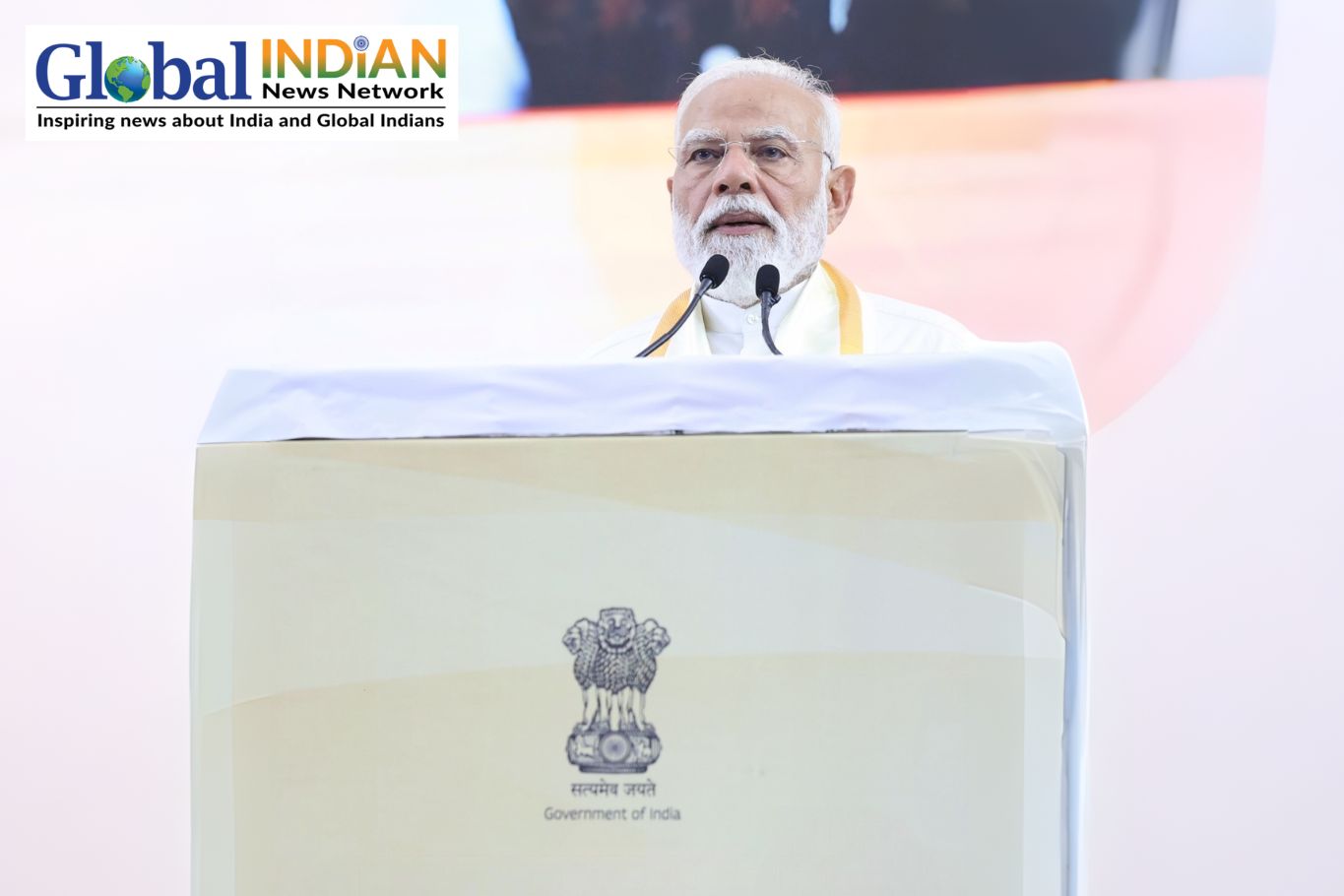
 Prime Minister Narendra Modi has stepped up diplomatic efforts as tensions escalate in West Asia. On March 17, 2026, Modi held a phone conversation with UAE President Sheikh Mohamed bin Zayed Al Nahyan, condemning recent attacks on the Gulf country and stressing the urgent need for secure and free passage through the Strait of Hormuz. The strategic waterway, which handles nearly one-fifth of global oil shipments, was closed by Iran’s Islamic Revolutionary Guard Corps (IRGC) following US and Israeli strikes on Tehran’s military and naval assets.
These strikes, part of an ongoing conflict now in its 18th day, have rattled international markets. Oil prices surged to $120 per barrel before moderating, highlighting concerns over supply disruptions. In their call, Modi and Al Nahyan agreed on restoring stability, ensuring safe navigation, and minimizing civilian harm. Modi also conveyed advance Eid greetings and reiterated India’s strong condemnation of attacks that resulted in civilian casualties and infrastructure damage.
This marks the second discussion between the two leaders since the conflict escalated in late February. Modi has also held conversations with leaders from Iran, Israel, Jordan, Saudi Arabia, Bahrain, Oman, and Kuwait to address regional security and the welfare of Indian citizens stranded or living there. Following the escalation, several Gulf nations closed their airspace, causing widespread flight cancellations and chaos in the aviation sector. Despite restrictions, Indian carriers facilitated the safe return of approximately 244,000 passengers, while continuing operations in the region.
The conflict has also impacted the global energy markets, with traders expressing fears over supply shortages. Several companies invoked force majeure clauses to avoid contractual penalties amid disruptions. The International Energy Agency intervened by releasing 400 million barrels of oil from its 1.2 billion-barrel emergency stockpile to stabilize the markets.
Modi’s proactive diplomacy highlights India’s commitment to both regional stability and the safety of its citizens abroad. With Gulf tensions continuing to affect energy and aviation sectors, India’s engagement with UAE and other regional partners aims to de-escalate the crisis and maintain global economic balance.