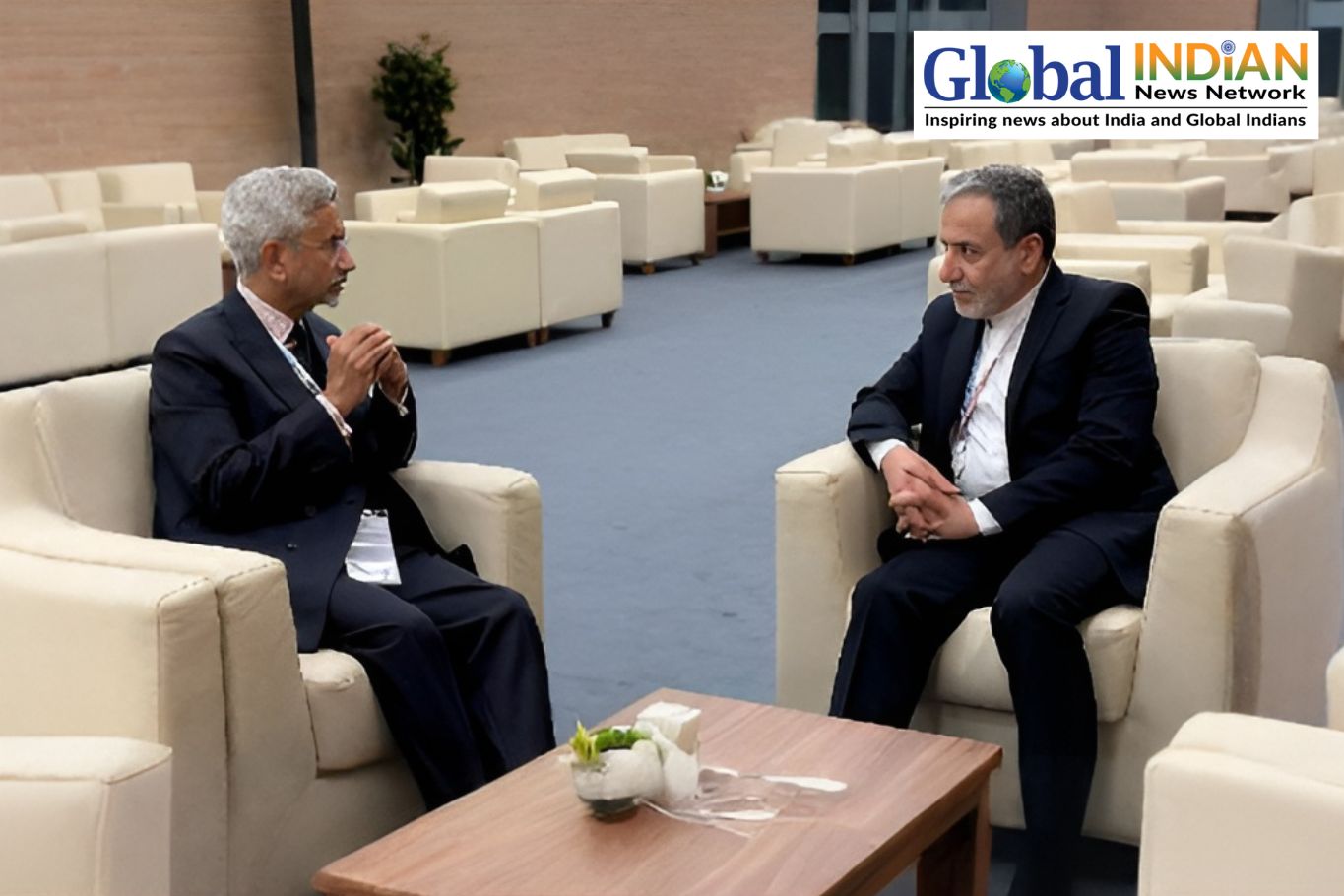
 External Affairs Minister S Jaishankar held his fourth telephonic conversation with Iranian Foreign Minister Seyed Abbas Araghchi on Friday, focusing on bilateral cooperation and BRICS-related matters, where India currently holds the chair and Iran is a member. The call followed Prime Minister Narendra Modi’s discussion with Iranian President Masoud Pezeshkian on Thursday night, reviewing the escalating tensions in West Asia involving Iran, the United States, and Israel.
On social media, EAM Jaishankar confirmed the discussion covered both bilateral issues and BRICS cooperation. The Iranian Foreign Ministry stated that Araghchi updated Jaishankar on the situation resulting from “acts of aggression” by the US and Israel, highlighting potential impacts on regional and global security. Araghchi emphasized Iran’s commitment to exercise its legitimate right to self-defense and urged regional and international organizations to condemn military aggression. He also stressed the importance of BRICS in supporting stability and multilateral cooperation during this crisis.
During the conversation, Jaishankar expressed India’s readiness to expand both bilateral and multilateral cooperation, emphasizing the collective need to strengthen sustainable regional stability. Similarly, PM Modi’s call with Iranian President Pezeshkian focused on the humanitarian impact of escalating tensions, stressing the protection of civilians and Indian nationals, as well as uninterrupted energy and goods transit. Modi reiterated India’s commitment to peace and urged for dialogue and diplomacy.
The Ministry of External Affairs (MEA) highlighted Modi’s proactive outreach to Gulf leaders, underscoring the importance of diplomacy to restore peace and safeguard civilians. MEA spokesperson Randhir Jaiswal emphasized India’s priority on the welfare of its large expatriate community in the GCC and condemned violations of sovereignty in the region.
Notably, discussions also covered the safety of maritime transit through the Strait of Hormuz. Following talks between EAM Jaishankar and Araghchi, India-flagged tankers, including Pushpak and Parimal, were allowed safe passage through the strategically critical waterway, ensuring continued transport of crude oil and natural gas, even as restrictions persist for vessels from the US, Europe, and Israel.