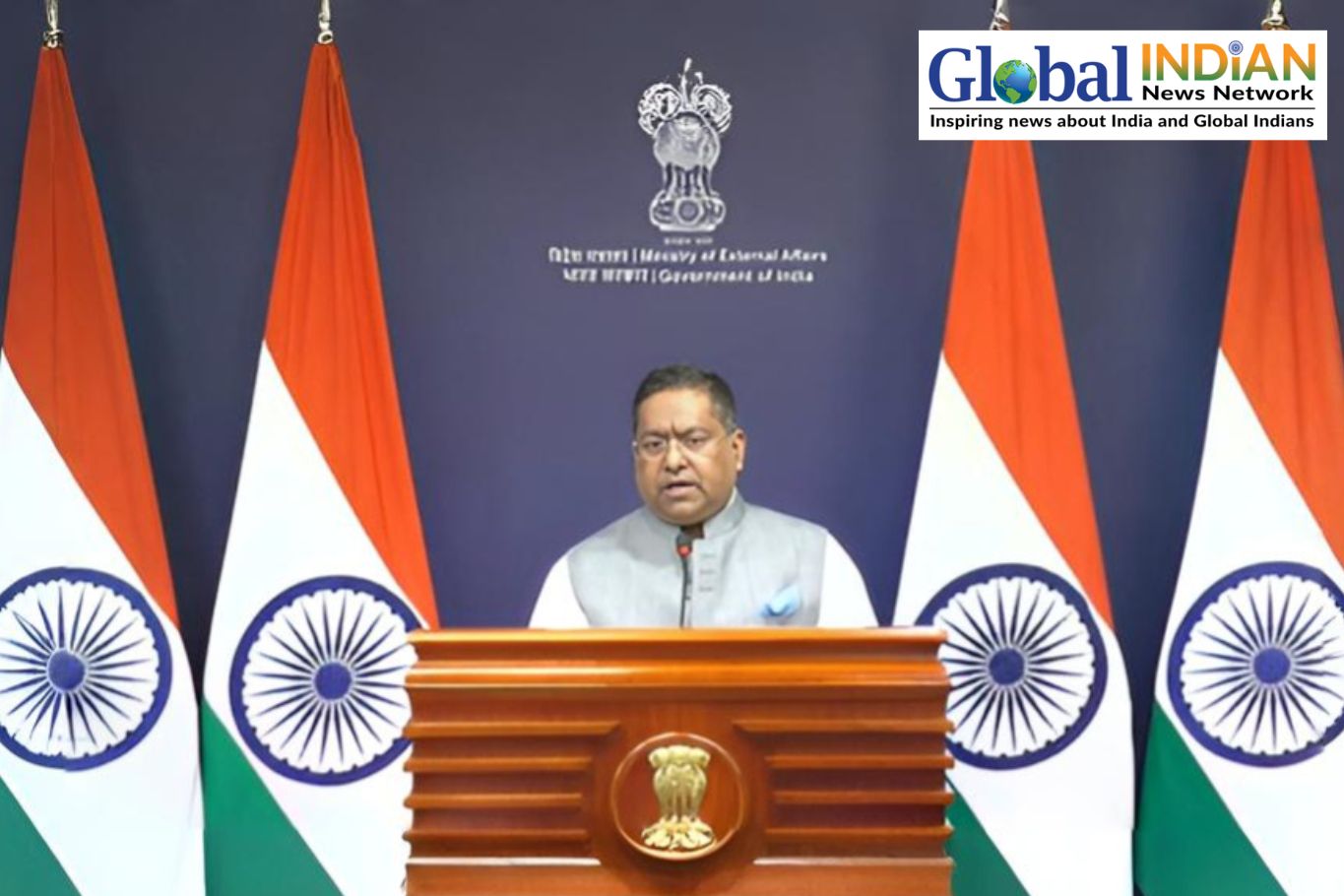
 India is continuing large-scale efforts to assist its citizens living in Iran while also closely monitoring developments that may affect maritime movement and national energy supplies during the escalating tensions in West Asia. The Ministry of External Affairs (MEA) confirmed that authorities are working simultaneously on humanitarian support for Indian nationals and diplomatic coordination related to regional stability.
According to officials, approximately 9,000 Indian citizens are currently in Iran. The group includes students, professionals, business representatives, seafarers, and pilgrims. Over the past several weeks, many of them have already returned to India after following earlier travel advisories issued by the Indian government. The MEA stated that support systems remain active for those who are still planning to depart the country.
Government authorities have also relocated several Indian citizens, particularly students and pilgrims residing in Tehran, to safer locations within Iran. This measure was taken as a precaution while the regional situation remains uncertain. Officials noted that India’s diplomatic mission in Tehran continues to stay in close communication with members of the Indian community and is providing logistical assistance wherever required.
For citizens who wish to leave Iran, the government has opened additional travel routes through neighboring countries. The MEA confirmed that many Indian nationals have already been assisted in crossing land borders into Azerbaijan and Armenia. From there, they have been able to board commercial flights back to India. Diplomatic teams have been helping travelers obtain necessary visas and complete border formalities to ensure a smooth exit.
Officials have urged all Indian citizens in Iran who are considering departure through land borders to carefully follow the advisory released by the Indian Embassy in Tehran on March 9. Authorities emphasized that adherence to these guidelines will help ensure safe travel arrangements and minimize complications at border crossings.
Alongside evacuation efforts, the Indian government is also assessing broader regional risks, including the safety of international shipping routes and the security of India’s energy supplies. The Strait of Hormuz, a critical global oil transit route, remains a key area of focus amid ongoing geopolitical tensions.
India’s External Affairs Minister has held multiple conversations with Iran’s foreign minister in recent weeks to discuss developments in the region. These discussions focused on the evolving conflict and the need to maintain communication channels during the crisis. The diplomatic engagement reflects India’s proactive approach in safeguarding both its citizens abroad and its strategic interests as tensions continue to unfold involving Iran, the United States, and Israel.