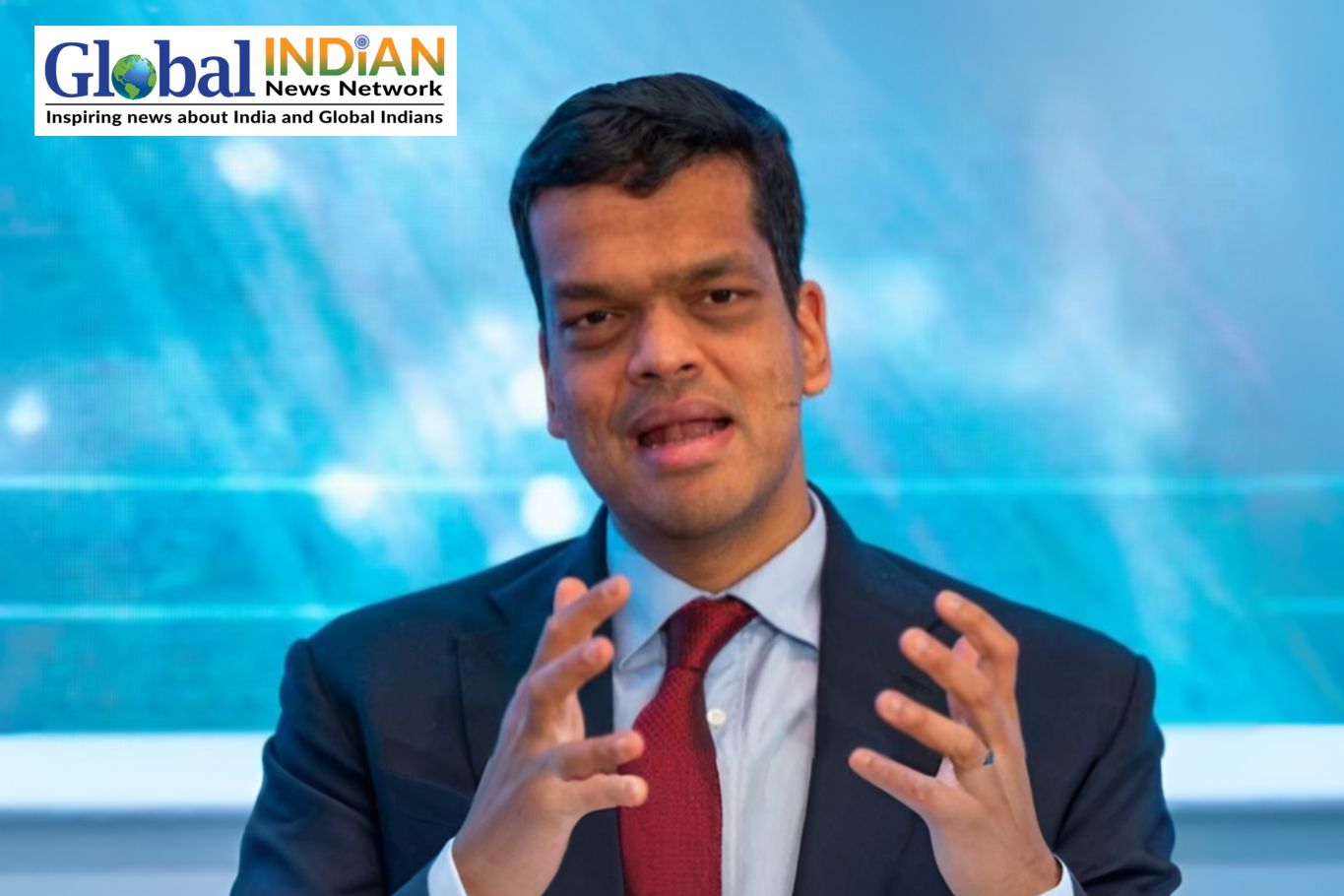
 Sriram Krishnan, an Indian-origin technology executive serving as a senior artificial intelligence policy adviser in the White House, is preparing to step down from his role at the end of June 2026, concluding an 18-month tenure in the Trump administration. His departure marks the end of a significant period in which he contributed to shaping the United States’ evolving approach to artificial intelligence governance.
Krishnan, who previously worked across major Silicon Valley companies including Microsoft, Facebook, Twitter, and Yahoo, brought extensive industry experience to his government position. Before joining the White House, he also served as a venture capitalist, further strengthening his expertise in emerging technologies and innovation ecosystems.
He was appointed in early 2025 as part of a broader initiative by the administration to develop a comprehensive national strategy for artificial intelligence. In his role, Krishnan played an important part in designing policy frameworks aimed at accelerating federal adoption of AI systems, while also working to create a more unified regulatory structure across agencies.
His appointment attracted considerable attention from the outset. While it was welcomed by many in the technology sector, it also faced criticism from certain political groups within the MAGA movement, who raised concerns about immigration and the influence of Silicon Valley professionals in government policymaking. Despite this opposition, Krishnan received strong support from influential figures in the tech industry, including Elon Musk, who publicly backed his role in the administration’s AI policy team.
During his time at the White House, Krishnan collaborated closely with senior officials on initiatives designed to strengthen the United States’ competitiveness in artificial intelligence. His work included contributions to regulatory reform discussions, efforts to reduce fragmented state-level AI regulations, and broader strategic planning focused on innovation and national security priorities.
He also participated in international policy discussions aimed at reinforcing the United States’ position in the global AI race, particularly in relation to competition with China. Officials within the administration credited him with helping advance a more centralized and coordinated federal approach to AI governance.
Krishnan has described his time in government as a highly meaningful experience, calling it “the privilege of a lifetime,” and has indicated that he intends to continue working on artificial intelligence-related challenges outside public service.
Born in Chennai, India, in 1984, he later moved to the United States, where he built a successful career in technology and investment before transitioning into government service. His departure comes as the US continues to expand its focus on artificial intelligence policy, cybersecurity frameworks, and collaboration with private sector technology leaders.